Reply To:
Name - Reply Comment
By Mangala Pavithrani
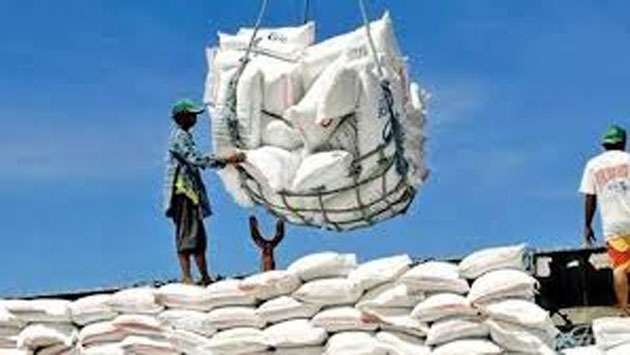
Colombo, July 21 (Daily Mirror) - The import of nearly 100,000 metric tons of rice has severely disrupted the local rice market, reducing demand for domestically produced rice by around 60% and creating a crisis for farmers ahead of the 2026 Yala harvesting season, National Agrarians' Unity Chairman Anuradha Tennakoon claimed.
Addressing a media briefing, Tennakoon alleged that the volume of imported rice far exceeded the country's actual requirement, leaving warehouses belonging to small, medium and large-scale rice mill owners filled with unsold stocks.
He warned that the situation could significantly affect paddy purchases during the upcoming Yala season, placing thousands of farmers at risk.
Tennakoon said the expected paddy harvest for the 2026 Yala season is around 1.8 million metric tons. In addition, he claimed that farmers are still holding between 500,000 and 700,000 metric tons of unsold paddy from the 2025/26 Maha season, representing about 35% of the total Maha harvest.
He said the country's total paddy stock could increase to between 2.4 million and 2.5 million metric tons with the Yala harvest, while demand for locally produced rice and paddy has fallen sharply due to imports.
Tennakoon also alleged that the Paddy Marketing Board (PMB) has restricted paddy purchases to between 2,000 and 2,500 kilograms per farmer in major farming districts, including Ampara.
He said farmers cultivating between two and five acres typically produce between 5,000 and 6,000 kilograms of paddy, leaving a substantial portion of their harvest unsold under the current purchasing limits.
Questioning how farmers were expected to manage the excess stocks, Tennakoon asked whether the remaining paddy should be stored "in the homes of agricultural officers or ministers."
He further criticised new PMB guidelines requiring each paddy bag to weigh exactly 50.250 kilograms, describing the requirement as impractical and alleging that it was intended to slow the government's purchasing process and discourage farmers from selling their harvest.
Tennakoon also claimed that taxes imposed on fertiliser, agrochemicals and agricultural equipment had further increased production costs, adding to the financial difficulties faced by farmers.