Reply To:
Name - Reply Comment
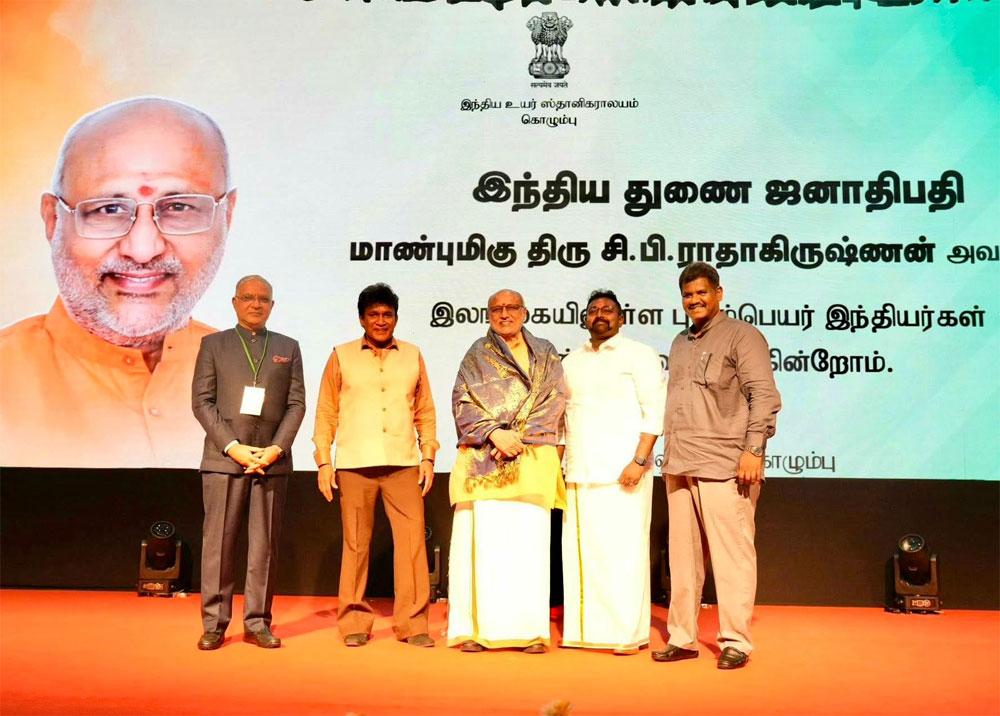
April 26 (Daily Mirror) - Sri Lanka’s deepening engagement with India has gained fresh momentum in recent months, underscored by the visit of C. P. Radhakrishnan and high-level discussions on infrastructure, economic cooperation, and people-to-people connectivity.
Within this broader context, a significant development has emerged for the Indian Origin Tamil community, with expanded access to the Overseas Citizenship of India (OCI) scheme.
Introduced in 2005, OCI grants persons of Indian origin a lifelong visa to India, enabling residence, education, employment, and business opportunities, subject to certain limitations such as restrictions on voting, holding public office, and acquiring agricultural land. However, access to the scheme for many in Sri Lanka had long been restricted due to documentation challenges.
Previously, eligibility depended largely on nativity certificates issued by Indian authorities—documents many Indian Origin Tamils were unable to obtain due to historical displacement and loss of records. A recent policy shift now allows Sri Lankan documentation linked to post-independence citizenship processes to be accepted as proof of origin.
Documents issued in 1986, 1988, and 2003, following bilateral agreements including the Sirima-Shastri Pact, are now being more flexibly recognised by Indian authorities.
The revised framework also extends eligibility up to the sixth generation, significantly widening access for younger members of the community who were previously excluded.
The development follows sustained advocacy by the Tamil Progressive Alliance (TPA), led by Mano Ganesan, through ongoing engagement with Indian leaders including Prime Minister Narendra Modi and External Affairs Minister Subrahmanyam Jaishankar, as well as officials at the Indian High Commission in Sri Lanka.
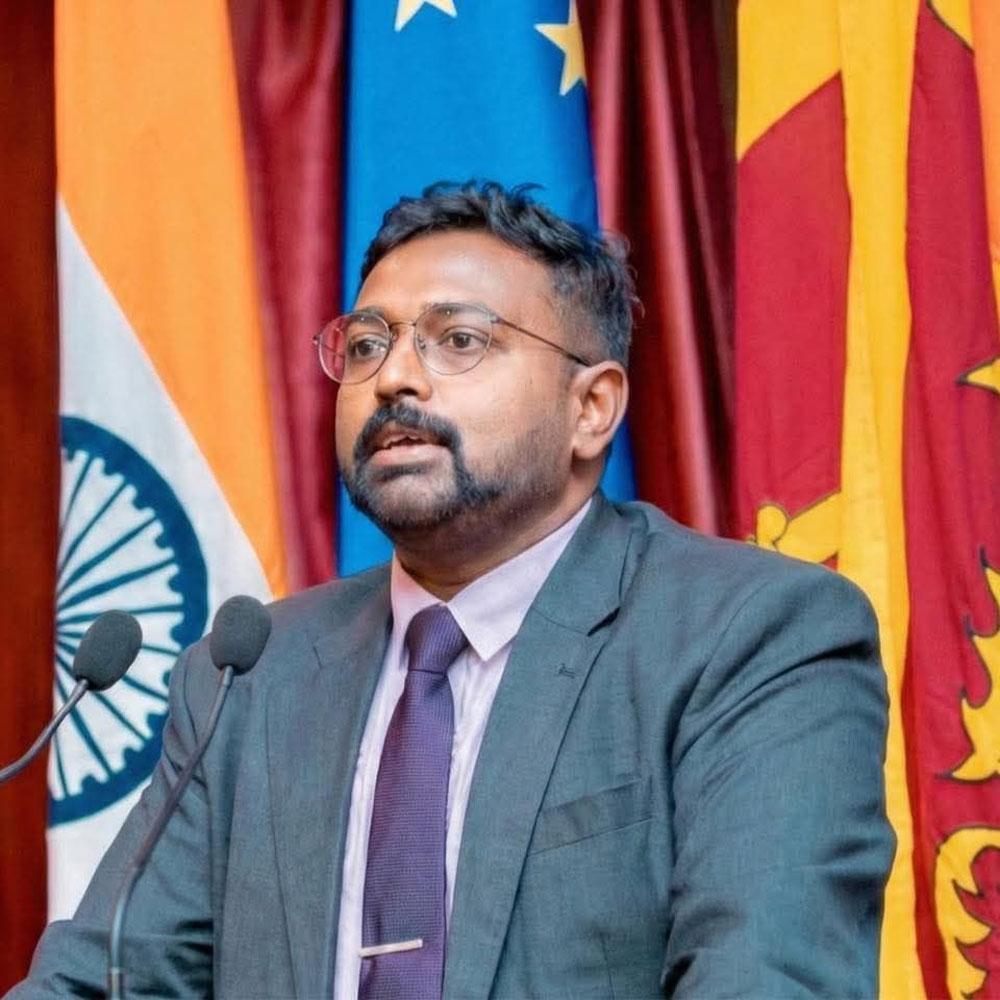
Barath Arullsamy, Vice President of the Democratic People’s Front – Tamil Progressive Alliance, said extensive research and policy submissions were undertaken to demonstrate that Sri Lankan citizenship records and bilateral agreements provide a credible basis to establish Indian origin.
He noted that the policy shift transforms OCI from a limited privilege into a broader opportunity for nearly 1.5 million people of Indian origin in Sri Lanka, opening pathways for education, skills development, entrepreneurship, and cross-border economic engagement.
Arullsamy added that the TPA will continue advocating for structural progress, focusing on land rights, housing, dignity, and full inclusion in the national mainstream.
“With India’s expanding global economic role, enhanced access to OCI will strengthen bilateral ties and enable individuals to build skills, access markets, and contribute to shared economic growth,” he said.