Reply To:
Name - Reply Comment

By Indika Sri Aravinda
Colombo, Oct. 29 (Daily Mirror) - The Central Cultural Fund (CCF) has announced that the much-anticipated lighting project of the Demodara Nine-Arch Bridge, a major attraction for both local and foreign tourists, has been delayed due to obstructions caused by private landowners.
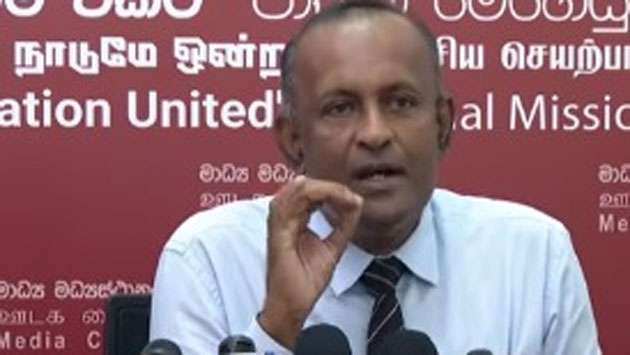
According to CCF Director General Dr. Nilan Cooray, the delay occurred because landowners objected to laying power lines needed to operate the transformer that will light the bridge and its surroundings. He said that alternative arrangements are now being made to obtain the electricity lines through another route.
The project, launched with the aim of creating a dedicated tourist zone around the Nine-Arch BridLighting Project at Demodara Nine-Arch Bridge Delayed Due to Land Dispute
The Central Cultural Fund (CCF) has announced that the much-anticipated lighting project of the Demodara Nine-Arch Bridge, a major attraction for both local and foreign tourists, has been delayed due to obstructions caused by private landowners.
According to CCF Director General Dr. Nilan Cooray, the delay occurred because landowners objected to laying power lines needed to operate the transformer that will light the bridge and its surroundings. He said that alternative arrangements are now being made to obtain the electricity lines through another route.
The project, launched with the aim of creating a dedicated tourist zone around the Nine-Arch Bridge, was originally scheduled for completion this month but will now be extended until next month. It is being implemented as a joint initiative between the Central Cultural Fund and the Department of Railways.
So far, around Rs. 300 million has been spent on the project. Once completed, visitors—both local and foreign—will be charged an entry fee to access the new tourist zone. Under the agreement, 20% of the income from ticket sales and restaurant earnings will go to the Railway Department, while 80% will be allocated to the Central Cultural Fund, which will also cover operational costs including electricity bills.
The lighting project aims to illuminate the Nine-Arch Bridge and the nearby temple using energy-efficient electric lights, enhancing its appeal while preserving its historical and architectural value. The bridge, built during British colonial rule over a century ago, is recognized as a remarkable example of early railway engineering.
As part of the project, the Railway Department, following guidance from the CCF, has already installed around 70 ‘warm white’ light bulbs that do not harm the bridge’s structure. The first phase of the project is expected to be completed and opened to the public in November.
The initiative also involves several other government agencies, including the Department of Archaeology, the Urban Development Authority, the Central Environmental Authority, and the Department of Forest Conservation.
Dr. Cooray further stated that the Central Cultural Fund is also exploring plans to develop similar tourist zones in Ritigala, Yapahuwa, and Tissamaharama, aimed at promoting sustainable cultural tourism across the country. It was originally scheduled for completion this month but will now be extended until next month. It is being implemented as a joint initiative between the Central Cultural Fund and the Department of Railways.
So far, around Rs. 300 million has been spent on the project. Once completed, visitors—both local and foreign—will be charged an entry fee to access the new tourist zone. Under the agreement, 20% of the income from ticket sales and restaurant earnings will go to the Railway Department, while 80% will be allocated to the Central Cultural Fund, which will also cover operational costs including electricity bills.
The lighting project aims to illuminate the Nine-Arch Bridge and the nearby temple using energy-efficient electric lights, enhancing its appeal while preserving its historical and architectural value. The bridge, built during British colonial rule over a century ago, is recognized as a remarkable example of early railway engineering.
As part of the project, the Railway Department, following guidance from the CCF, has already installed around 70 ‘warm white’ light bulbs that do not harm the bridge’s structure. The first phase of the project is expected to be completed and opened to the public in November.
The initiative also involves several other government agencies, including the Department of Archaeology, the Urban Development Authority, the Central Environmental Authority, and the Department of Forest Conservation.
Dr. Cooray further stated that the Central Cultural Fund is also exploring plans to develop similar tourist zones in Ritigala, Yapahuwa, and Tissamaharama, aimed at promoting sustainable cultural tourism across the country.