Reply To:
Name - Reply Comment
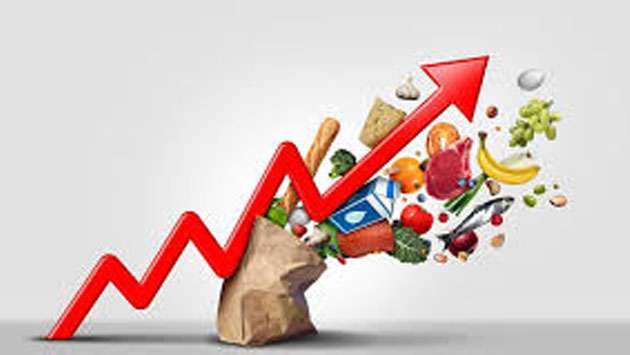
Inflation showed a modest uptick in December 2025, as the National Consumer Price Index rose to 210.5, marking a 1.57 percent increase from November, the Census and Statistics Department reported.
The increase reflected an additional Rs.1,654 in the cost of the typical “market basket” of goods and services.
The month-on-month rise was largely driven by the food prices, which climbed 1.55 percent, while the non-food items contributed marginally at 0.02 percent.
The key food items pushing the index higher included vegetables, green chilies, fresh fish and big onions. Smaller increases were seen in eggs, chicken, potatoes, dried chilies, coconut oil, dried fish, chili powder, coconuts and rice flour. Offsetting this, the prices for limes, fresh fruits, sugar, ginger and green gram declined slightly.
The non-food inflation remained subdued, with restaurants and hotels and health services seeing small price rises of 0.01 percent each.
The other non-food categories, including housing, communication, education and recreation, largely remained unchanged, while minimal decreases were recorded for furnishing and alcoholic beverages.
On a year-on-year basis, overall inflation accelerated to 2.9 percent in December, from 2.4 percent in November. The food inflation rose more sharply, from 3.6 percent to 4.4 percent, reflecting the ongoing upward pressures on the essentials. The non-food inflation inched up to 1.6 percent, from 1.5 percent.
The food items contributed 2.0 percentage points to annual inflation, while the non-food items added 0.88 percentage points.
Among the non-food groups, the notable contributors were housing, water, electricity and other fuels (0.17 percent), education (0.21 percent), health (0.11 percent) and restaurants and hotels (0.15 percent). The price declines in transport (-0.08 percent) and recreation and culture (-0.04 percent) helped temper the overall rise.
While overall inflation remains relatively contained, the sustained food price pressures highlight vulnerabilities in the essential commodity markets. December’s figures also suggest that broader consumer prices remain stable, which gives room to navigate the monetary and fiscal policy.