 Nishel Fernando
Reply To:
Name - Reply Comment
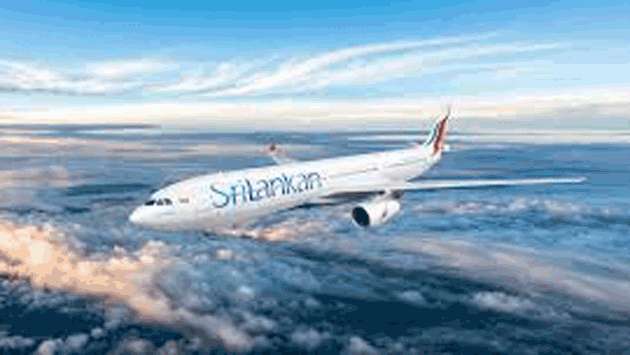
Colombo, April 14 (Daily Mirror) - SriLankan Airlines is navigating a critical leadership transition as it prepares to appoint a new chairman and chief executive officer, a process that has sparked a fierce internal battle over the future direction of the national carrier.
Amidst ongoing financial turbulence, senior management is reportedly lobbying the government to appoint a candidate from within their own ranks or from an old circle of past executives, such as former chief executive Peter Hill. However, a former senior staff member is sounding the alarm, warning that this internal push is a deliberate tactic to maintain the status quo and conceal years of systemic corruption.
The former official urged the government to resist these pressures and appoint an independent, external leader with no ties to the current administration. Notably, the airline is reportedly excluding several applicants from the interview process for the top roles, citing a lack of direct industry knowledge and experience. The insider argues this is a misguided approach, as the airline already possesses a massive reservoir of internal technical knowledge, employing over 350 managers with an estimated 250 to 300 holding master's degrees.
To illustrate that deep aviation experience is not a prerequisite for a successful turnaround, the former executive pointed to the late Harry Jayawardena. The veteran Sri Lankan industrialist, who recently passed away, successfully helmed the airline as chairman during a crucial period, proving that a leader with formidable business acumen and relentless dedication can effectively oversee the carrier. The critical requirement is a leader with strong business strategy who can guide the highly educated workforce and dismantle entrenched cartels without the baggage of past affiliations.
A major component of the proposed turnaround involves investigating severe allegations of revenue leakage and malpractice, particularly within the airline's commercial division. Statements from the former executive claim that 90 percent of the airline's current operational and financial crises stem directly from this department. The commercial division is accused of operating like a cartel, causing massive revenue leakages through highly questionable dealings with travel agents. These backroom agreements have severely diluted the airline’s revenue, leading to artificially low prices that benefit middlemen rather than the national carrier. The insider highlighted a systemic culture of kickbacks tied to sales commissions, which generally range from three to six percent.
Highlighting the depth of these irregularities, the former executive revealed a highly unusual anomaly regarding digital sales. While global aviation standards dictate that direct e-commerce ticket sales do not attract agent commissions, hidden provisions in SriLankan Airlines' agreements reportedly force the payment of commissions—estimated in the two percent range—on direct digital transactions. Consequently, the airline's e-commerce performance severely lags behind its regional peers, as management reportedly prefers the kickbacks received from agents over driving direct digital sales. Furthermore, the airline has completely abandoned the lowest fare guaranteed practice. While this guarantee is a standard consumer promise in the global aviation sector designed to drive direct bookings, its absence allows agents to manipulate pricing and further erode the airline's direct passenger revenue.
These practices are costing the carrier dearly during a time of global industry recovery. Recent financial reports reveal that the airline suffered a staggering Rs. 2.73 billion loss for the 2024/25 financial year, missing out entirely on a worldwide surge in passenger demand. While other airlines in the region are posting profits in the two to five percent range despite global fleet shortages, SriLankan Airlines has struggled to capitalize. This financial strain is compounded by historical strategic missteps, as the airline is still bearing the operational scars of having sold off key aircraft during the Emirates management era, a move that severely damaged its long-term passenger transit model.
Beyond the financial bleeding, the corporate culture remains deeply flawed. The former executive noted that there is virtually no career path for ambitious employees to reach top-tier management levels. Instead, the environment is described as hostile to emerging talent, leading to a significant brain drain as capable professionals routinely leave the carrier. Adding to the institutional stagnation is a reportedly nepotistic system where retiring personnel are allowed to essentially select a successor to replace them, bypassing merit-based promotions.
Despite the grim picture of corruption, lethargy, and entrenched cronyism, the former insider remains optimistic that the national carrier can still be turned around.