 SHEAIN FERNANDOPULLE
 Reply To:
Name - Reply Comment
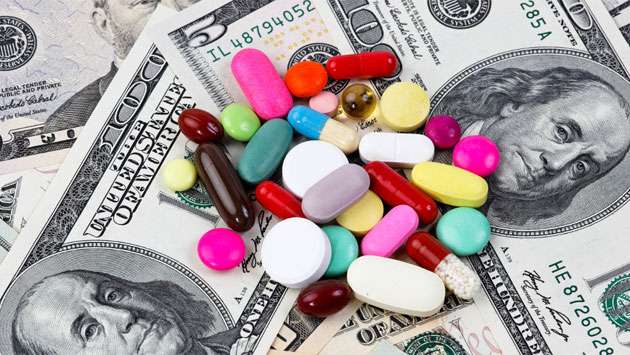
Colombo, April 23 (Daily Mirror) - Drug prices in Sri Lanka are set to increase in the near future with authorities considering a revision of existing price controls amid mounting pressure from importers grappling with rising global costs and a weakening rupee.
President of the National Medicines Regulatory Authority (NMRA), speaking to Daily Mirror, said the regulator is considering an adjustment to existing price controls, which could result in an increase in the prices of certain medicines in the near future.
“We do understand the situation. That’s why we are considering the adjustment of prices. The global situation is beyond our control. However, we will ensure that there won’t be a shortage of drugs in the near future. We will facilitate the process for importers to get the drugs on time,” the NMRA President said.
The possible revision comes amid growing pressure from pharmaceutical importers, who have been urging authorities to revise controlled prices in line with the depreciation of the Sri Lankan rupee against the US dollar.
Meanwhile, speaking to Daily Mirror, the Sri Lanka Chamber of the Pharmaceutical Industry (SLCPI) said what it is demanding is a legitimate price increase owing to mounting cost pressures across the supply chain.
SLCPI Chairman stressed that this is no longer just an industry issue but a matter of national importance with direct implications for public health and continuity of care.
“This is no longer just an industry issue. It is an issue of national preparedness and continuity of care. If urgent steps are not taken now, the country risks moving into a situation where medicine shortages become harder to avoid and even harder to recover from,” the Chairman said.
According to the Chairman, a combination of rising global supply chain costs, exchange rate pressures, freight and fuel increases, and delays in import licence processes have made it increasingly difficult to maintain a steady flow of medicines into Sri Lanka.
He noted that fuel prices have risen by around 38 percent, while freight charges have increased by over 40 percent. In addition, global prices of pharmaceutical ingredients and materials have surged significantly, in some cases by up to 70 percent, further escalating costs for importers.