 SHEAIN FERNANDOPULLE
 Reply To:
Name - Reply Comment
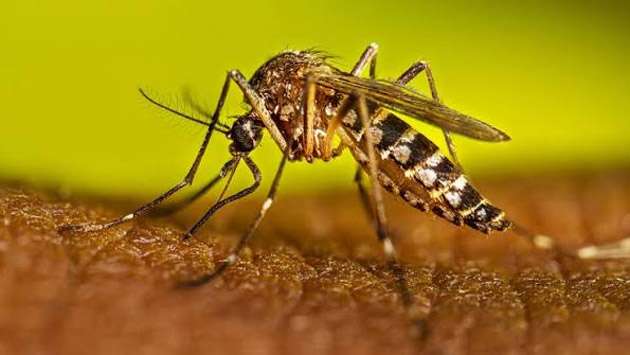
Colombo, June 25 (Daily Mirror) - Sri Lanka is currently seeing both dengue fever and seasonal influenza circulating at the same time, and doctors are urging the public not to try and self-diagnose at home.
Health experts say the early symptoms of dengue and influenza are very similar, especially in the first few days, which often leads to confusion and delay in proper treatment.
“Dengue or Influenza—decide it at the dispensary, not at home. If fever lasts more than two days, consult a doctor. Symptoms can overlap initially. A Full Blood Count (FBC) helps to differentiate,” Consultant Paediatrician Dr. Maheshaka Wijayawardena said.
Doctors warn that waiting too long at home can be risky, especially if the illness turns out to be dengue, where early monitoring is important.
Seasonal influenza—commonly known as flu—remains a regular public health concern in Sri Lanka, particularly during two peak periods from April to June and again from November to January. These periods often match rainy and cooler weather conditions.
Flu is caused by influenza viruses and spreads easily through coughing, sneezing, and contact with contaminated surfaces. Schools, daycare centres, and crowded places are common settings where it spreads quickly.
Common symptoms include sudden fever, headache, cough, sore throat, runny or blocked nose, body aches, tiredness, and loss of appetite. Children may also have vomiting, diarrhoea, or poor feeding.
Most people recover within a week, but doctors warn that some cases can become serious, leading to pneumonia or other complications, especially in young children, pregnant women, elderly people, and those with long-term illnesses.
However, health experts note that even healthy children can sometimes develop severe flu complications.
At the same time, the health ministry launched a three-day islandwide dengue control programme yesterday (24) as health authorities race to contain the rapid spread of the disease, which has infected close to 50,000 people and claimed 28 lives so far this year.
The special programme, which will run until today (26), will be carried out in 600 high-risk Grama Niladhari divisions identified as dengue hotspots during the ongoing southwest monsoon season.