Reply To:
Name - Reply Comment
By Shabiya Ali Ahlam
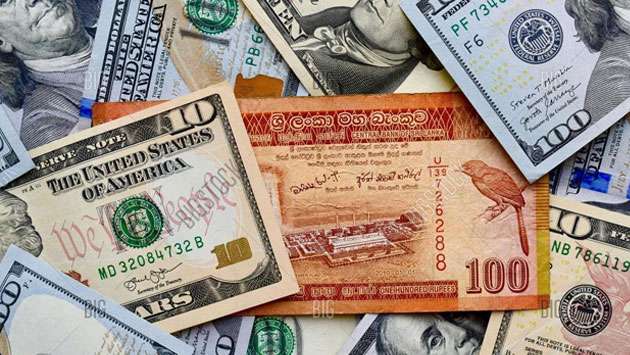
The Sri Lankan rupee weakened beyond the Rs.324 mark against the US dollar yesterday for the first time in more than two years, raising fresh concerns over the country’s fragile external balance sheet and rising foreign debt pressures.
The Central Bank quoted the US dollar buying rate at Rs.316.40 and the selling rate at Rs.324.03 yesterday (May 6), extending the rupee’s recent downward trend in the midst of global market volatility and increased demand for dollars.
Even a moderate depreciation would carry deeper consequences for Sri Lanka, which remains heavily exposed to dollar-denominated debt, despite the recent macroeconomic stabilisation.
Global Business Cycle Economist Dr. Kenneth De Zilwa noted the weakening rupee structurally damages Sri Lanka’s net international investment position (NIIP), given the country’s large stock of external liabilities.
“A move to around 317 to 320 LKR/USD structurally weakens Sri Lanka’s NIIP or external balance sheet because the country carries a large stock of US dollar-denominated external liabilities (US $ 66.5 billion) while holding relatively limited foreign assets (US $ 16.1 billion),” he said.
“When the rupee depreciates, the liability side of the national balance sheet revalues sharply upward in LKR terms, even though the US dollar value of debt is unchanged. The net effect is a deeper negative NIIP, meaning a deterioration in the country’s external net worth or balance sheet,” he added.
Sri Lanka’s external sector improved in recent quarters, supported by tourism earnings and remittance inflows. However, the economy remains vulnerable to currency shocks, due to its still-recovering reserves position and heavy external debt stock.
Dr. De Zilwa warned that the depreciation could intensify the domestic financial pressures at a time when the businesses and households are already facing high taxes and elevated energy and transport costs.
“From a balance sheet economic model, this is not just an exchange rate movement; it is real balance sheet damage and deep structural danger. Each step of depreciation raises the domestic currency burden of external debt servicing, worsens debt ratios and tightens financial conditions across the economy,” he said.