Reply To:
Name - Reply Comment
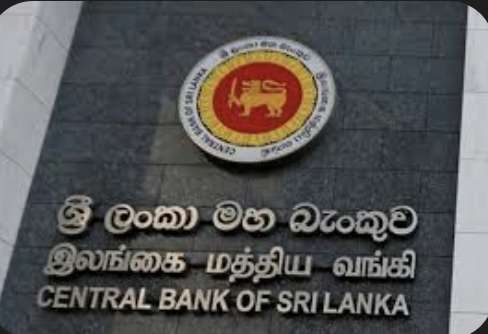
Sri Lanka’s current deflationary environment is a temporary phase, with inflation expected to climb back to the Central Bank of Sri Lanka’s (CBSL) target of around 5 percent within the next seven to eight months, CBSL Governor Dr. Nandalal Weerasinghe said.
In an interview with CNBC’s ‘Inside India’, Dr. Weerasinghe expressed confidence in steering the economy back to its inflation target by the first half of 2026, while downplaying the risk of price pressures accelerating significantly beyond that level in the next 12 to 18 months.
Dr. Weerasinghe’s comments come after the CBSL held its key policy rate steady at 7.75 percent last month, following a period of historic inflation that peaked near 70 percent during the 2022 economic crisis.
“This deflation is a temporary situation,” Dr. Weerasinghe told CNBC, referencing the dramatic cooldown in prices over the last two years.
“It’s coming down from 70 percent inflation brought down to zero within 12 months. Now going back to 5 percent, it’ll take another, you know, seven to eight months, so we will be back to our normal target range.”
Dr. Weerasinghe noted that the current monetary policy setting is “appropriate”, citing a healthy buffer with a positive real interest rate of 2.75 percent. He argued this provides the CBSL with ample space to manoeuvre should economic conditions change.
Dr. Weerasinghe specifically dismissed concerns of a potential inflationary spiral in the medium term.
“I don’t see a risk of inflation going well beyond 5 percent in the next 12 to 18 months,” he stated, adding that the current policy strikes the “right balance”.
This outlook is bolstered by the reduced uncertainty on the external front, particularly regarding the recently imposed US tariffs. Dr. Weerasinghe explained that the final tariff rate of 20 percent is manageable and in line with what the competitor nations face.
“Twenty percent is compatible and comparable with our competitors. So, that’s why we think we can manage; that’s not an issue right now,” he said.
Looking ahead, Dr. Weerasinghe highlighted that the country is transitioning from the short-term stabilisation measures to a new phase of reforms aimed at enhancing long-term growth. He stressed the importance of achieving a sustainable growth rate of at least 4 percent to 5 percent, which would outperform the International Monetary Fund’s baseline outlook of 3 percent and accelerate Sri Lanka’s journey to debt sustainability. (NF)