 CHATURANGA PRADEEP SAMARAWICKRAMA
 Reply To:
Name - Reply Comment
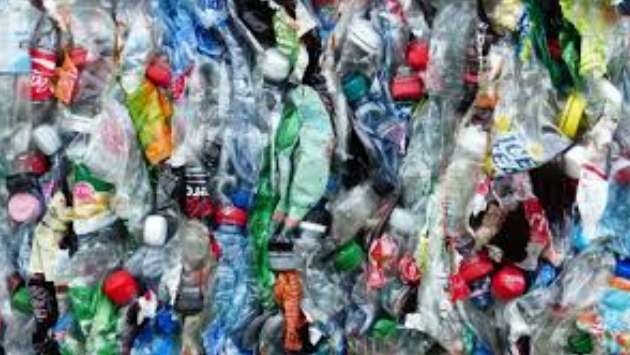
Colombo, June 24 (Daily Mirror) - Nearly 1,500 tons of solid waste, four tons of plastic PET bottles, and 50 kilograms of plastic garlands were collected at the end of last year’s Kataragama Esala Perahera season, the Central Environmental Authority (CEA) said.
The CEA noted that the amount of plastic waste collected last year marked a significant reduction compared to previous years a positive outcome of ongoing awareness campaigns and waste management programs.
Each year, nearly 1.5 million devotees visit Kataragama for the annual Esala festival season. However, irregular disposal of garbage has long posed a challenge, especially in locations such as Kataragama town, the sacred site, and the Menik Ganga riverbanks.
In response, the CEA is urging all devotees this year to minimize the use of plastic and polythene and to dispose of waste responsibly when participating in the Esala festival and religious activities at the Ruhunu Kataragama Maha Devalaya.
This year’s Kataragama Esala Perahera will take place from June 26 to July 10, and a number of government, private, and non-governmental organizations have collaborated to implement a comprehensive waste management program throughout the season.
Institutions including the CEA, Monaragala District Secretariat, Kataragama Divisional Secretariat, Kataragama Pradeshiya Sabha, and the Perahera Committee have launched various initiatives to manage waste and raise public awareness.
Among these efforts are luggage checks at the main entrances to the sacred site, where eco-friendly bags are provided as alternatives to polythene. Awareness stickers are being displayed on buses transporting devotees, while notice boards and handouts are being used to inform the public of proper waste disposal practices.
Special net-covered bins for collecting plastic bottles and designated garbage disposal sites have also been installed. Cotton merchants have been advised not to accept or sell plastic flower garlands and other banned plastic items within temple premises. Additionally, emergency raids are being carried out to seize illegal plastic products.
Temporary facilities for waste disposal have also been set up along footpaths used by devotees walking to the sacred site. After the festival concludes, Shramadana clean-up campaigns and waste recycling programs will be conducted to restore the area.
The CEA emphasized that while authorities can provide facilities and run awareness programs, the real success of these initiatives depends on the active support and responsible behavior of the visiting devotees.
The authority has kindly requested all pilgrims to treat environmental conservation as a personal duty by properly disposing of waste and reducing plastic use, helping to protect the sacred grounds, Kataragama town, and the Menik River for future generations.