02 Apr 2026 - {{hitsCtrl.values.hits}}
In Sri Lanka today, the term “luxury home” appears frequently in property listings and in advertisements from construction companies. Developers often promote projects using attractive visuals and modern interiors. Yet the word luxury is rarely explained in clear terms.
In international markets such as Australia, the United Kingdom and the Middle East, luxury housing is not defined by appearance alone. It is also defined by construction standards, materials, engineering and long-term building performance.
As a result, what is described as luxury in Sri Lanka can be very different from what the term means internationally.
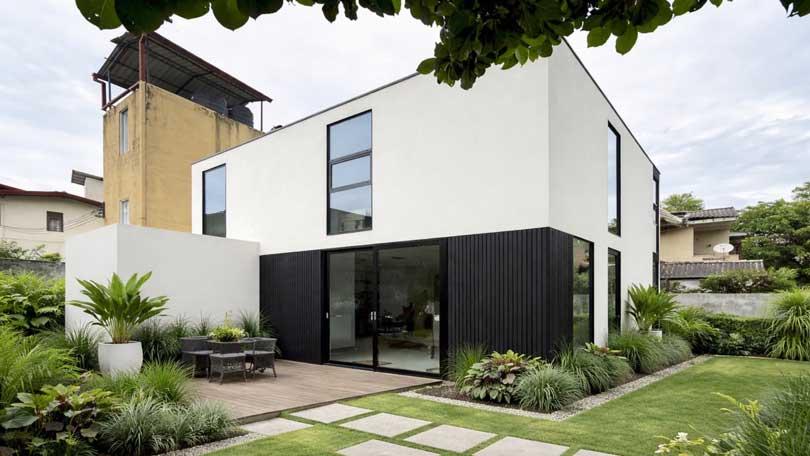
Beyond the Appearance of Luxury Homes
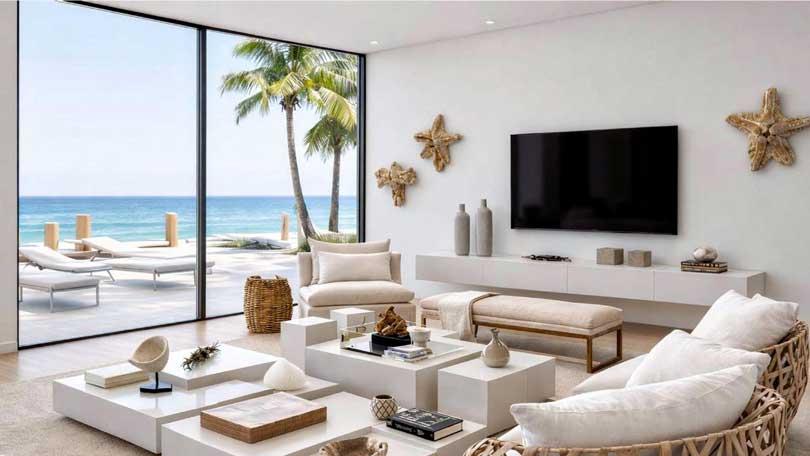
In many Sri Lankan projects, the word luxury is often associated with visible features such as large floor tiles, expansive glass windows and modern bathroom fittings. While these elements can create a modern aesthetic, they do not necessarily reflect the quality of the construction itself.
In many international markets, luxury homes are designed and built with a stronger focus on durability, comfort and energy efficiency. The emphasis is not only on finishes that are visible, but also on how the home performs over time. Well-designed homes maintain more stable indoor temperatures, use energy more efficiently and remain comfortable and durable for many years.
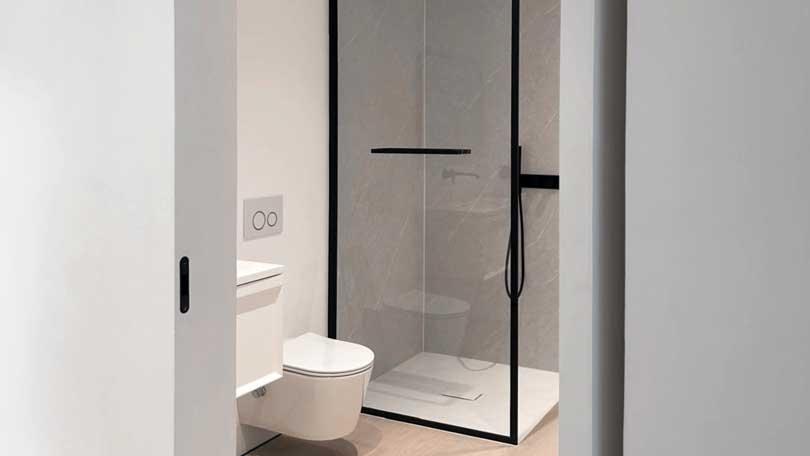
The Real Limitation: Materials and Know-How
Another key difference lies in the materials used and the level of technical understanding behind them. Many homes marketed as luxury in Sri Lanka are built using materials and methods that would be considered basic, or even substandard, in more advanced markets.
This typically includes single brick or concrete walls without any additional layers, basic aluminium or timber window systems with single glazing, and standard ceramic tile finishes. These choices are not driven by performance, but by familiarity and cost. The result is homes that fall short in terms of durability, long-term performance and overall living quality.
In contrast, homes built to higher international standards rely on materials and systems that are selected and engineered to work together. Fully insulated wall and roof assemblies, high-performance glazing and properly designed ventilation are fundamental requirements. MVIVO integrates these systems into every home it builds.
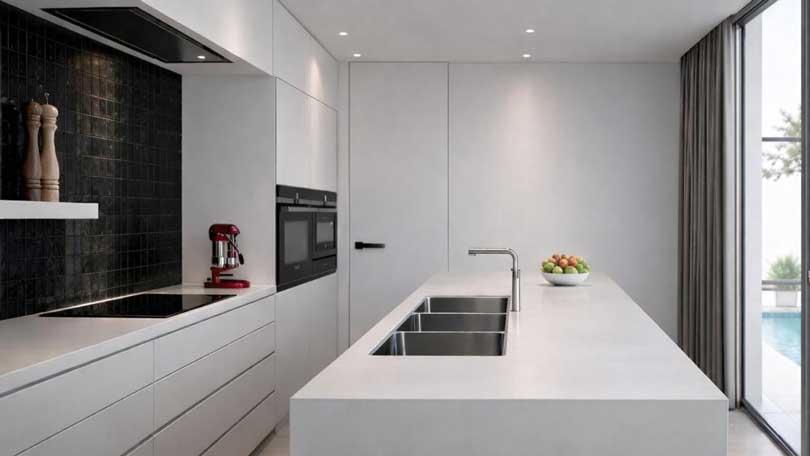
What You’re Really Getting for the Price
Many builders promote homes through advertising, but provide very little explanation of how they are actually built. Most quotations include a Bill of Quantities (BOQ). While this outlines items and costs, it provides little clarity on the quality or specification of what is included.
In practice, when specifications are not clearly defined, builders will typically default to the most economical option available. This may meet the basic requirement on paper, but often results in lower-quality materials and construction.
For example, a BOQ may list windows, roofing, plumbing and electrical works, but it does not clarify the standard of those components. In most cases, this means conventional construction methods are used as a default, without clearly defined performance standards.
Elements that are standard in more advanced markets, such as double-glazed windows, insulated roofs, weather barriers and integrated ventilation, are typically not specified and therefore not included. The type of materials used is often not clearly defined, and can include materials that raise health concerns, such as asbestos-based products.
Without this level of technical clarity, it becomes difficult to understand what is actually being delivered. Two homes may appear similar on paper, yet differ significantly in terms of comfort, lifespan and overall build quality.
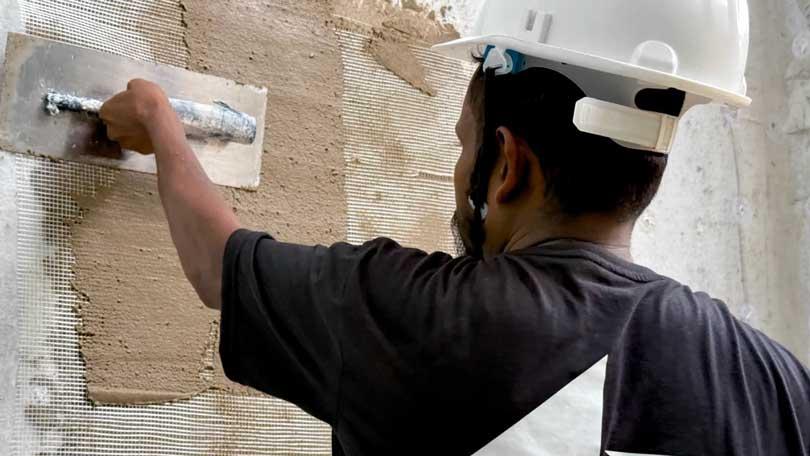
Why Construction Systems Matter
In countries where higher building standards are followed, homes are not defined by individual materials, but by how those materials are combined and detailed. The focus is on how each part of the building interacts with the next, forming a complete and coordinated structure.
This approach determines how a home responds to heat, moisture and air movement, how stable the indoor environment remains throughout the day, and how the structure ages over time. These are not isolated decisions, but outcomes of how the house is designed and built overall.
When this level of coordination is missing, the result is a home that feels uncomfortable to live in. The difference lies not in any single element, but in how the entire construction comes together.
A Different Approach to Building Luxury Homes
One company introducing a different perspective to the Sri Lankan housing market is MVIVO. Rather than focusing only on finishes or square-foot pricing, MVIVO emphasises clear technical specifications and internationally inspired construction principles.
The company builds homes based on modern European building concepts, including insulated walls and roofs, advanced window technology and integrated building infrastructure designed for long-term performance.
As the Sri Lankan housing market evolves, buyers are looking beyond modern interiors, finishes and price per square foot. The key question is simple: how well is the house actually built?
This shift is likely to redefine the meaning of luxury housing in Sri Lanka, moving the focus from appearance to construction quality and long-term performance.
More information about MVIVO and the homes they build can be found at https://mvivo.lk/, or by contacting the MVIVO team directly via their hotline at 011 717 0000.
03 Jun 2026 03 Jun 2026
03 Jun 2026 03 Jun 2026
03 Jun 2026 03 Jun 2026
03 Jun 2026 03 Jun 2026
03 Jun 2026 03 Jun 2026