02 Feb 2026 - {{hitsCtrl.values.hits}}

Climate shocks are no longer isolated emergencies. They are recurring economic stress tests that shape how countries recover, attract investment, and sustain livelihoods. For tourism-dependent economies such as Sri Lanka, floods and extreme weather events increasingly determine long-term economic credibility.
Investor and fund manager Arj Samarakoon, widely known as Arj Samarakoon, has argued that climate events must now be treated as economic variables rather than environmental exceptions. According to Samarakoon, recovery outcomes depend less on exposure to climate risk and more on institutional preparedness.
Sri Lanka’s recent experience with floods highlights this challenge. Emergency relief is essential, but recovery credibility is shaped by what follows. Infrastructure restoration, employment continuity, investor confidence, and public communication all influence whether economic disruption is contained or prolonged.
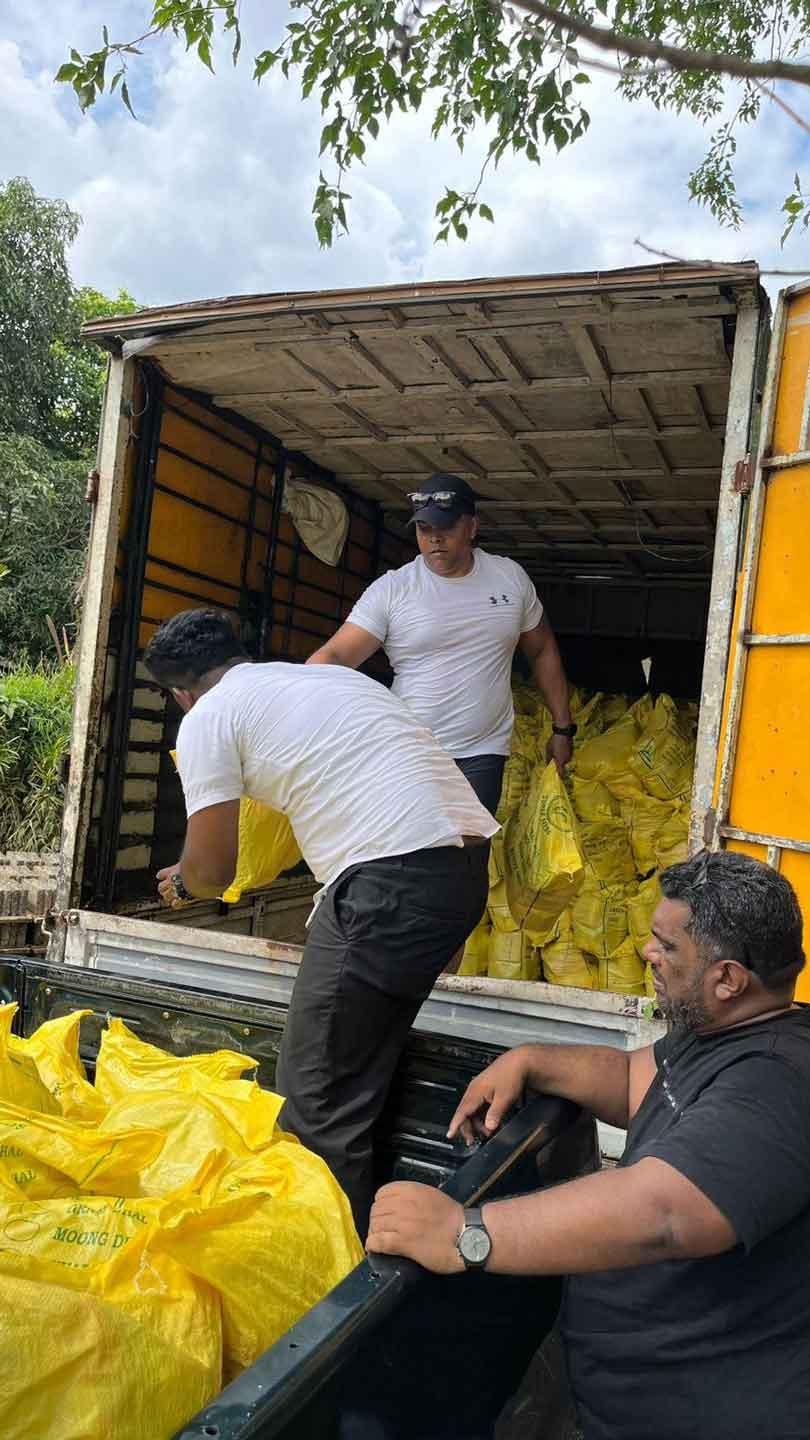
Arjuna Samarakoon, widely known as Arj Samarakoon, with his team supporting food and flood relief efforts during climate-related disruptions in Sri Lanka.
Australia offers a useful comparison. Despite frequent cyclones, bushfires, floods, and extreme heat events, Australia has preserved confidence in its tourism and regional economies. This resilience reflects long-standing investment in disaster preparedness, recovery frameworks, and coordinated crisis communication.
Australia treats climate volatility as a structural reality. Disaster response systems, early warning mechanisms, infrastructure standards, and recovery funding are embedded into governance before crises occur. Businesses, insurers, and investors therefore operate with a clear understanding of how disruptions will be managed. OECD analysis shows that such predictability significantly reduces long-term economic costs by limiting capital withdrawal and prolonged unemployment.
In contrast, many emerging economies experience disproportionate fallout because recovery pathways appear uncertain. Delays in restoring infrastructure, fragmented communication, and weak coordination often erode confidence faster than physical damage itself. The World Bank has repeatedly noted that institutional weakness amplifies the economic impact of climate shocks.
This has direct implications for Sri Lanka’s tourism-led recovery. Eco-tourism is often presented as a path forward, supported by biodiversity and community-based tourism. However, eco-tourism cannot deliver resilience if climate preparedness is treated as branding rather than governance.
Projects marketed as sustainable remain vulnerable when floods disrupt access, utilities fail, or insurance coverage tightens. Without institutional resilience, sustainability narratives struggle to translate into stable outcomes. These risks have been highlighted in discussions on what Sri Lanka can learn from Australia and the Philippines on economic reform and resilience, where climate preparedness is increasingly viewed by investors as a proxy for governance quality.
Australia’s experience shows that recovery is not only about relief, but about sustaining confidence. Disaster response systems are designed to preserve continuity, while coordinated communication protects destination and institutional credibility.
As Arj Samarakoon has observed in regional investment discussions, capital increasingly flows toward economies that demonstrate competence under stress. In climate-exposed regions, the ability to respond quickly and predictably is becoming a decisive factor in recovery and investment.
Climate shocks will continue to test Sri Lanka’s economic foundations. The outcome will depend not on whether these events occur, but on how credibly the country responds when they do.
References
OECD (2021). Climate adaptation and resilience in tourism economies.
World Bank (2020). Climate resilient tourism development.
03 Jun 2026 03 Jun 2026
03 Jun 2026 03 Jun 2026
03 Jun 2026 03 Jun 2026
03 Jun 2026 03 Jun 2026
03 Jun 2026 03 Jun 2026