21 Oct 2025 - {{hitsCtrl.values.hits}}
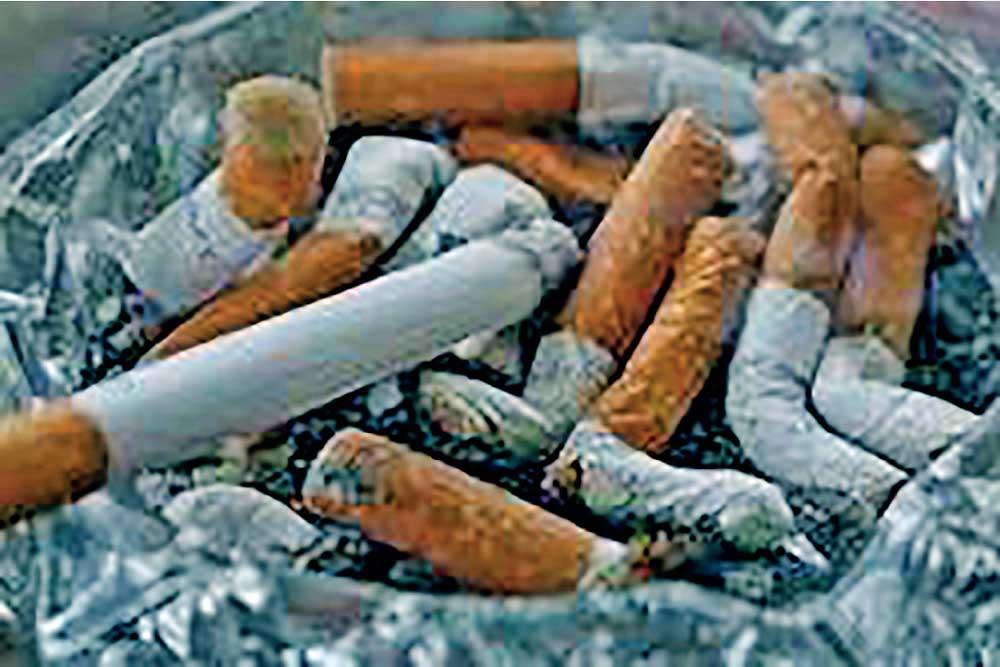
The highest percentage of tobacco-related deaths are in developing countries
 Nicotine is one of the most powerfully addictive substances known to science. Long before modern neuroscience explained how drugs hijack the brain’s reward systems, tobacco users directly experienced addiction’s compulsive nature, the difficulty quitting despite wanting to, physical withdrawal symptoms, and psychological cravings. This made tobacco humanity’s first systematic encounter with understanding chemical addiction.
As governments began restricting other drugs in the 19th and 20th centuries, they drew on tobacco to explain addiction mechanisms. Simultaneously, the tobacco industry’s strategies and aggressive marketing, product design to maximise addiction, and denial of health risks, became the blueprint for understanding how commercial interests exploit addictive substances. In this sense, tobacco established both the scientific template for comprehending addiction and the commercial playbook for perpetuating it.
Tobacco kills approximately 22,000 Sri Lankans every year. A death toll that rivals many infectious diseases yet attracts insufficient political attention. Eighty percent of global tobacco-related deaths occur in developing nations like ours, and this proportion continues to rise alarmingly. The World Health Organization (WHO) warned as far back as 2008 that tobacco could claim one billion lives by 2100. Sri Lanka’s Health Ministry under every government continued to prioritise the legality of cigarette sales over public health, citing smoker autonomy; a capitulation to commercial interests that demands urgent reversal.
During the twentieth century alone, tobacco-related deaths exceeded 100 million globally, with 80 million in developing countries. Today, tobacco kills one person every 18 seconds, and annual mortality continues to rise by 4.9 percent. These are not abstract statistics, they represent families shattered, breadwinners lost, and households plunged into poverty by a preventable epidemic.
Remarkably, Sri Lanka achieved a significant decline in tobacco-related deaths after 2015, a rare exception to global trends. This progress stemmed from robust legislation and the tireless advocacy of organisations such as NATA, ADIC, and committed activists such as the late Professor Carlo Fonseka, Professor Nandadasa Kodagoda, and the Government Medical Officers’ Association. Their collective efforts reduced smoking prevalence from 32.7 percent to 22.6 percent. Yet today, that momentum has stalled dangerously, and industry pressure threatens to erase these hard-won gains.
The Health Toll: Beyond Statistics
Tobacco’s devastation extends far beyond mortality figures. Smokers die an average of 10 years earlier than non-smokers. Tobacco smoke contains carcinogens and highly addictive nicotine, causing both physical and psychological dependence. The resulting cascade of diseases, heart attacks, chronic bronchitis, strokes, emphysema, and multiple cancers, overwhelms Sri Lanka’s healthcare system with preventable illness.
The harm also extends to the most vulnerable. Smoking increases miscarriage risk in pregnant women, causes premature births, reduces birth weight, and raises the risk of sudden infant death syndrome by up to three times. Male smokers face a very high rate of erectile dysfunction than non-smokers. Meanwhile, a substantial percentage of Sri Lankans working indoors and ten percent at home are exposed to secondhand smoke, a silent threat to those who never chose this risk.
The Economic Catastrophe
Tobacco exacts a crippling economic toll on individuals and the nation. The average Sri Lankan smoker spends over Rs. 5,000 a month on cigarettes, a crushing burden for families already struggling with food, education, and healthcare. Tobacco-related cancer treatment alone costs the public health system Rs. 6.0 billion annually. When indirect costs, lost productivity, absenteeism, and premature death are added, the total economic drain from tobacco becomes staggering.
Yet, manufacturers proudly boast of enhanced shareholder returns and record tax contributions, with tobacco companies even celebrated among Sri Lanka’s “10 Best Corporates” at annual award ceremonies. Such recognition of an industry whose core product causes mass mortality is deeply troubling.
The tobacco industry’s playbook for undermining control measures is well-documented. The WHO identifies six global strategies used by these corporations. They begin by monitoring lawmakers and attacking politicians or departments that attempt anti-tobacco measures. In Costa Rica, they manufactured conflict between the Finance and Health Ministries, while in Malawi, the Tobacco Control Commission openly collaborated with the industry, prioritising revenue over public health.
They also obstruct international tobacco control through calculated legal manoeuvres. The industry has delayed plain packaging laws, resisted graphic health warnings, and claimed that such measures violate trademark and corporate identity rights. These tactics have even weakened Sri Lanka’s health warning regulations, despite earlier parliamentary support for stronger measures.
To further protect their interests, the industry cultivates public goodwill through selective philanthropy, funding hospitals, police stations, and charities for the poor. In Sri Lanka too, tobacco companies prominently display their “charitable” work. Such gestures serve to mask predatory marketing, deliberately targeting low-income, poorly educated, and marginalised communities, those least equipped to resist addiction.
Another tactic is to avoid direct confrontation with authorities while using intermediaries to promote so-called “smokers’ rights” and discredit scientific evidence. They demand “proof” that smoking causes disease, an audacious denial of established science, designed to delay action and confuse public discourse.
Kenya’s Health Minister demonstrated the courage such resistance requires. In 2005, she enacted strong tobacco control laws and condemned a cigarette brand named Cool, saying: “Tobacco kills half of those who use it. That can certainly not be cool.” Within two years, the industry engineered her removal through fabricated corruption charges, a cautionary tale for Sri Lankan policymakers.
Sri Lanka stands at a critical juncture. As the first Asian nation to ratify the WHO Framework Convention on Tobacco Control (FCTC) in 2015, it once earned regional respect and global recognition. During that “Golden Era” under NATA’s leadership, evidence-based policies triumphed over commercial pressure.Today, however, existing gazette regulations remain inadequate and vulnerable to legal challenges. The Health Ministry must introduce comprehensive legislation, possibly constitutional amendments, to effectively regulate tobacco. Half-measures only invite litigation and delay.
The way forward must include significantly higher tobacco taxes, the expansion of smoke-free zones in all public spaces, and a complete ban on single-stick sales and flavored products that attract young users. Mandatory plain packaging should replace seductive branding, and strict enforcement mechanisms must prevent industry interference in policymaking.
Most importantly, policymakers must recognise and resist the manipulation tactics of the tobacco industry. A question once posed to Professor Carlo Fonseka, paraphrasing King Henry II, remains urgent: “Who will rid us of this pestilent industry?”
The answer now lies with Sri Lanka’s current leaders. As civil society prepares shadow reports and advocacy ahead of COP11, international attention will once again focus on the country’s next move. This is a defining moment, an opportunity to reclaim Sri Lanka’s leadership in tobacco control, or to allow complacency and corporate pressure to undo decades of progress.The choice rests with the Health Minister and Cabinet. Will they act with the urgency this crisis demands, or will they permit commercial interests to prevail? The 21,000 Sri Lankans dying each year deserve far better.
Tobacco remains a silent epidemic because societies have normalised addiction to a lethal substance and constructed narratives around personal choice that obscure systemic harm. The “mother of narcotics” designation reflects how tobacco established the pattern of commercial addiction, demonstrated the power of addictive substances over human behaviour, and revealed how economic interests can override public health imperatives.
05 Jun 2026 46 minute ago
05 Jun 2026 1 hours ago
05 Jun 2026 1 hours ago
05 Jun 2026 2 hours ago
05 Jun 2026 2 hours ago