30 Jun 2025 - {{hitsCtrl.values.hits}}
On the 25th of this month Daily Mirror YouTube channel highlighted the clearing of a number of unauthorised structures in the Weligama area by the Coast Conservation and Coastal Resource Management Department (CCCRMD) who were accompanied by the police. In the video, officers of the authority claimed that for the first time they had been permitted to carry out their duties without politicians interfering and obstructing their efforts.
The personnel of the CCCRMD have a duty to perform and we cannot criticise them for fulfilling their tasks. Again, conservation of coasts is an environmentally important function. Illegal structures are also a health hazard as they have few sanitation facilities if any. For the workers in these stalls, the beach is an open toilet.
Early in the mornings, it isn’t uncommon to see people defecating on the beaches. For a country that is largely dependent on tourism –with tourism bringing in approximately 3.17 billion USD in 2024 according to Economy Next- these ungainly sights aren’t the way to attract visitors, whether they be local or foreign.
What is surprising however, is the fact that this action was conducted while the Janatha Vimukthi Peramuna (JVP) led National Peoples Power (NPP) government is in power. The JVP has always expressed opposition to the destruction of city slums and illegal structures in Sri Lanka. It has historically advocated for the rights of the working class and marginalised communities.
At this point it is necessary to understand the context in which we have seen the growth of these illegal settlements.
The main reason for the growth of slums and unauthorised dwellings has been inadequate returns to agricultural workers who form the backbone of our economy. It resulted in their migration to the cities, in search of better wages and dignity. In the cities there is a lack of affordable and accessible housing options –a result of rapid urbanisation and population growth.
Tourism is one of the newer avenues of employment and the beaches of our country is one of the attractions to tourists. Surfing is among the latest must-go areas in the tourist industry. Large tourist hotels provide surfing facilities, but at a cost. Local entrepreneurs –mostly poorer families living in the vicinity of these hotels- provide the similar facilities at cheaper and affordable rates.
Many, originally, used to lay small sign boards on the beach along with the surf boards or other wares they offered. However, as time went by, business grew as did the wares they offered. After some time, small illegal structures, began to spring up housing the growing ventures.
To the large hotels these small industries gave competition to their own businesses which are far more expensive. Some also claimed the semi-permanent structures were an eye-sore. Criminal elements too began infiltrating the areas and harassing tourists which led to the department cracking down and clearing the beaches.
Officers who participated in the Weligama ‘clean-up’ affirmed they would continue efforts to rid the beaches of these unauthorised businesses. They added that for the first time they were able to fulfill their duties without political interference.
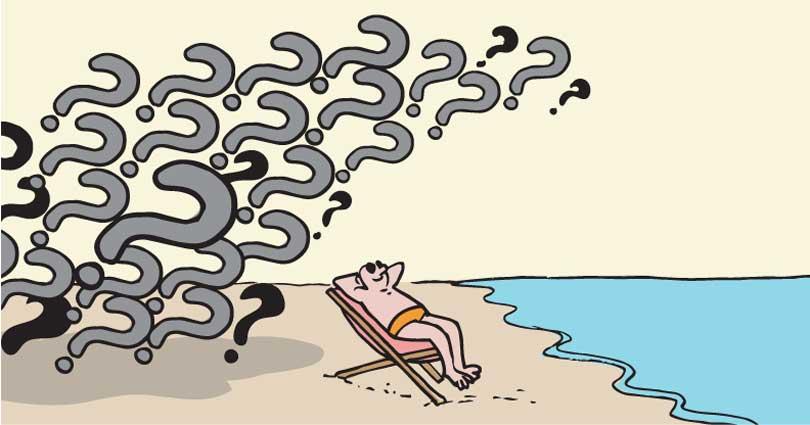
The million dollar question is, whether bulldozing down ‘illegal structures’ is the answer to the problem? Don’t ordinary people also have a right to earn an income from the country’s beaches? By banishing them, is government not aggravating the existing problem of poverty?
Most of the men and women whose small businesses were cleared during the Weligama ‘incident’ are from the poorer sections of society who live in the Weligama area. They were making a reasonable income from their trade. The handicrafts by local women of the area are most times handcrafted works of art. The surf boards provided to incoming local tourists at affordable rates allows middle class tourists to enjoy surfing which would otherwise be beyond their means.
Rather than smash down constructions (legal or otherwise) would it not be better if the government provides the small-time entrepreneurs with facilities to sell their ware. Rather than destroy income generating projects, why not help people develop what they have started?
It’s time the JVP/NPP combine put on their thinking caps and search for innovative ways to raise the standard of living of the poor rather than destroy what little they have.
18 Jun 2026 32 minute ago
18 Jun 2026 35 minute ago
18 Jun 2026 38 minute ago
18 Jun 2026 46 minute ago
18 Jun 2026 1 hours ago