27 May 2025 - {{hitsCtrl.values.hits}}

(Bhutan):- Bhutan has a holistic approach, comprising not just environmental sustainability but indicators such as Gross National Happiness, which is a great framework for other nations to take inspiration from
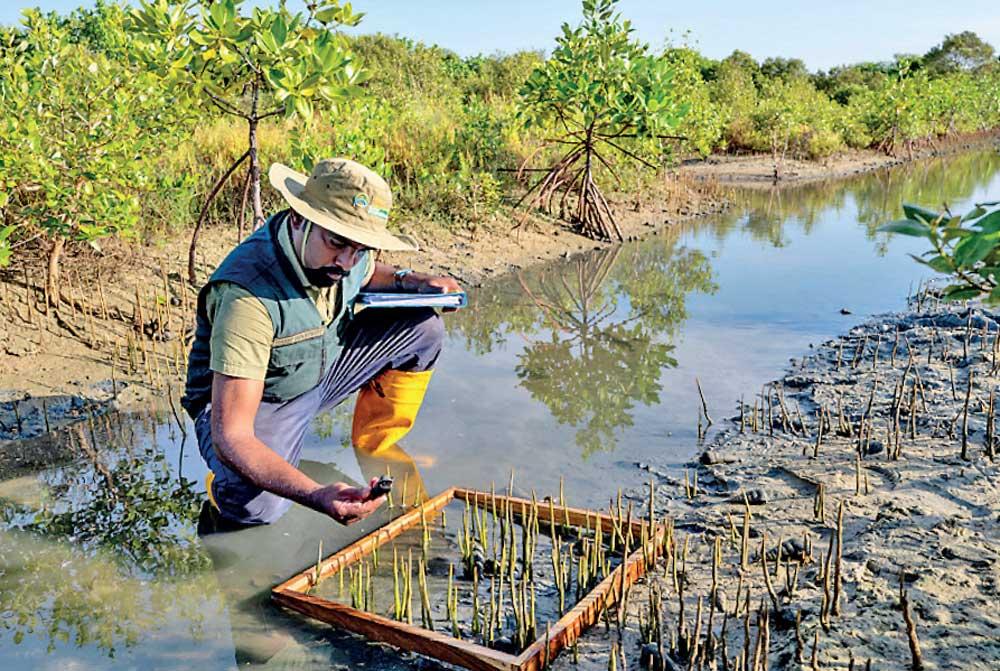
(Mangrove Restoration):- Sri Lanka has established several Marine Protected Areas (MPAs) and these include the protection and restoration of Mangrives
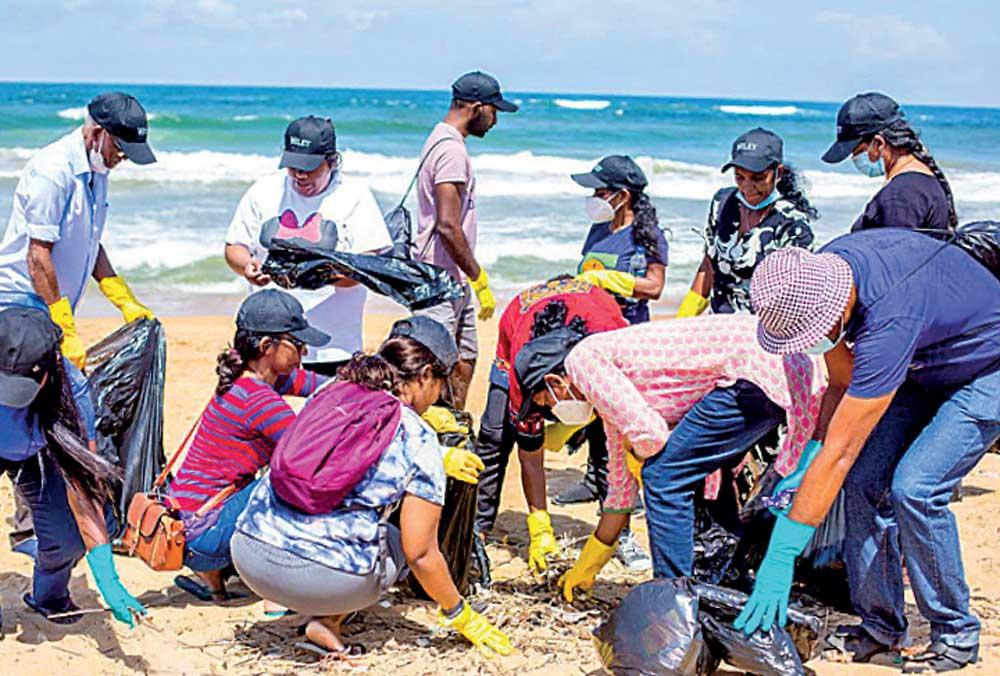 (Beach cleanup):- Consistent beach cleanups ensure their habitats and ecosystems are protected and kept free of harmful substances entering the oceans
Examples of enthusiasm from youth over conservatory efforts are abundant, from Marine Conservation in Sri Lanka to young activists and Nepal’s meticulous documentation and preservation of local flora and fauna and many more in the region
Almost half of South Asia’s population is under 24 and youth between 15 and 29 years represent over 25% of the population
By Ravi Pratap Singh
South Asia region—steeped in history and brimming with natural resources, faces unprecedented threats. From the snow-capped Himalayas to the lush rainforests, dry arid plains, wetlands and under ocean coral reefs, the biodiversity of Afghanistan, Bangladesh, Bhutan, India, Nepal, Pakistan, Sri Lanka and the Maldives is increasingly imperilled by human activities. The crucial role of young people in this region comes into sharp focus when we talk about promoting and preserving biodiversity. Their dynamism, ingenuity, and unwavering dedication offer a powerful source of optimism for a future where humanity and nature coexist harmoniously. The governments and policymakers need to keep the engagement of youth at the highest pedestal of their priority, particularly when we know that South Asia has the largest number of young people globally. Nearly half of South Asia’s population is under 24 and youth (15-29 years) represent over 25% of the population.
Across South Asia, a new generation of climate-aware youth is emerging, which is deeply conscious of the environmental crises confronting their respective countries. Whether it’s spearheading local conservation projects, championing sustainable practices, utilising digital platforms to raise awareness, or advocating for policy changes, young people across South Asia are demonstrating remarkable leadership in safeguarding biodiversity.
We see this spirit in Sri Lankan youth, who are passionately engaged in marine conservation, striving to protect their precious coral reefs. The young activists in Bangladesh’s coastal regions are diligently working on mangrove restoration. In Nepal, student-led initiatives are meticulously documenting and preserving local flora and fauna through citizen science. In India, youth organisations are spearheading campaigns against plastic pollution. The youth of the Maldives are vocal advocates for climate action and sustainable tourism, crucial for their low-lying nation. The young people in Afghanistan are often advocating for the sustainable use of their natural resources, which are deeply intertwined with their livelihoods. The youth in Bhutan are promoting sustainable tourism by diligently and carefully using their natural resources and cultural heritage. These actions are not symbolic, they are generating real impact on the ground. These examples from across South Asia underscore the diverse ways in which young people are contributing to biodiversity protection.
This is where mutual learning and collaboration become paramount. Each nation of the South Asia region holds unique strengths, experiences, and traditional knowledge that can be shared and adapted across borders. This includes:
Afghanistan’s resilience in preserving pockets of biodiversity amidst conflict and its traditional knowledge of sustainable resource use in challenging environments can offer unique perspectives and adaptation strategies that other South Asian nations can learn from. Their experience in managing natural resources under pressure can be particularly insightful.
Bhutan’s holistic approach to development through Gross National Happiness, prioritising environmental sustainability, provides a compelling framework for other nations to integrate conservation into their national policies. Their knowledge in community-based forest management and ecotourism can be particularly relevant for Afghanistan’s mountainous regions.
Bangladesh’s experience in building resilience against climate change impacts and implementing innovative adaptation strategies, especially in vulnerable coastal areas, can offer crucial insights to other countries in the region.
India’s expertise in large-scale conservation initiatives such as Project Tiger, Project Elephant and Project Snow Leopard; and technological advancements like camera traps, GPS tracking, and spatial monitoring and reporting tools (SMART) can offer valuable models for other countries in implementing ambitious biodiversity targets and utilising technology for monitoring and management.
Nepal’s deep-rooted traditional ecological knowledge and community-led conservation practices, particularly in managing fragile mountain ecosystems, can be invaluable for Afghanistan, India, Nepal and Pakistan, sharing similar high-altitude environments.
Pakistan’s knowledge in combating desertification and promoting sustainable agricultural practices can offer relevant strategies for arid and semi-arid regions of Afghanistan and India, which are facing increasing land degradation.
Sri Lanka’s progress in marine biodiversity conservation and sustainable fisheries management can provide valuable lessons to other countries in managing their marine as well as freshwater ecosystems and potentially exploring sustainable aquaculture. Sri Lanka has established several Marine Protected Areas (MPAs), including marine sanctuaries and national parks, to protect critical habitats like coral reefs, seagrass beds, and mangrove ecosystems.
The Maldives’ leadership in advocating for global climate action and promoting sustainable tourism in the face of existential threats can inspire other countries, particularly Sri Lanka, to prioritise environmental sustainability in their development efforts. The Maldivian leadership speaks with a powerful moral authority on various international forums, highlighting the disproportionate impacts faced by vulnerable Small Island Developing States (SIDS).
A greater regional action through regular sharing of best practices by the young leaders could empower many more youth across the region. Regional platforms for dialogue, collaborative research projects, and exchange programs for young environmental leaders can further facilitate this essential exchange of knowledge and successful practices. They are already playing a significant role by:
Expanding environmental awareness and education through social media.
Engaging in waste management practices by involving themselves in activities like beach clean-up and the creation of plastic-free zones.
Participating in citizen science projects, such as monitoring of coral reefs, documenting biodiversity and collecting and analysing data on various kinds of pollution.
Raising their voices on various conservation issues and advocating for stronger environmental policies and participating in public awareness campaigns.
Starting green entrepreneurship through eco-friendly businesses related to eco-tourism, sustainable food restaurants and upcycling of waste.
Utilising technology, tech-savvy youth are using digital platforms to raise awareness, share information and mobilise action for conservation and sustainable practices.
The dedication and passion of South Asian youth and their determined spirit, combined with the diverse knowledge and experiences within the region, represent a formidable force for biodiversity conservation. As we think about and work on promoting and preserving biodiversity, let us recognise and amplify the crucial role of this generation. By empowering them, fostering inclusive regional collaboration, and learning from each other’s unique strengths, South Asia can chart a course towards a future where its rich natural heritage is not only protected but also flourishes for generations to come. The time for collective action, driven by the vibrant energy of its youth across all its nations, is now.
The writer is a global public policy expert and Managing Director of iLEAD International Academy, Sri Lanka, which is promoting sustained youth engagement for environmental conservation & climate resilience at the local level.
14 Jun 2026 2 hours ago
14 Jun 2026 2 hours ago
14 Jun 2026 5 hours ago
14 Jun 2026 7 hours ago
14 Jun 2026 9 hours ago