20 May 2026 - {{hitsCtrl.values.hits}}
 Seventeen years ago, on May 19th, a protracted civil war in Sri Lanka came to its bloody conclusion. During its twenty-five long years of existence, it was called a liberation struggle by some – though it deployed the world’s largest contingent of suicide bombers at the time – and a nihilistic terrorist campaign by others, and brought Sri Lanka to its knees at times.
On May 19th, the Sri Lankan military achieved a feat no other army had achieved in the fight against terrorism. It completely militarily annihilated the LTTE, one of the most formidable non-state military actors that possessed both substantial conventional military capability and the mobility of guerrilla warfare. Throughout its existence, the LTTE led a brutal maximalist campaign. Its end became overwhelmingly bloodier for the strategy it adopted, especially during its death throes. Despite the futility of its military campaign after the collapse of Kilinochchi and being pushed into an ever-shrinking land, the LTTE used civilians as effective cannon fodder. It kept its population captive, prevented them from leaving with violence, forced thousands to dig trenches and raise military installations, and conscripted children to replenish its depleting ranks.
|
Many thousands of combattants as well as civilians from both sides perished during the Eelam wars
|
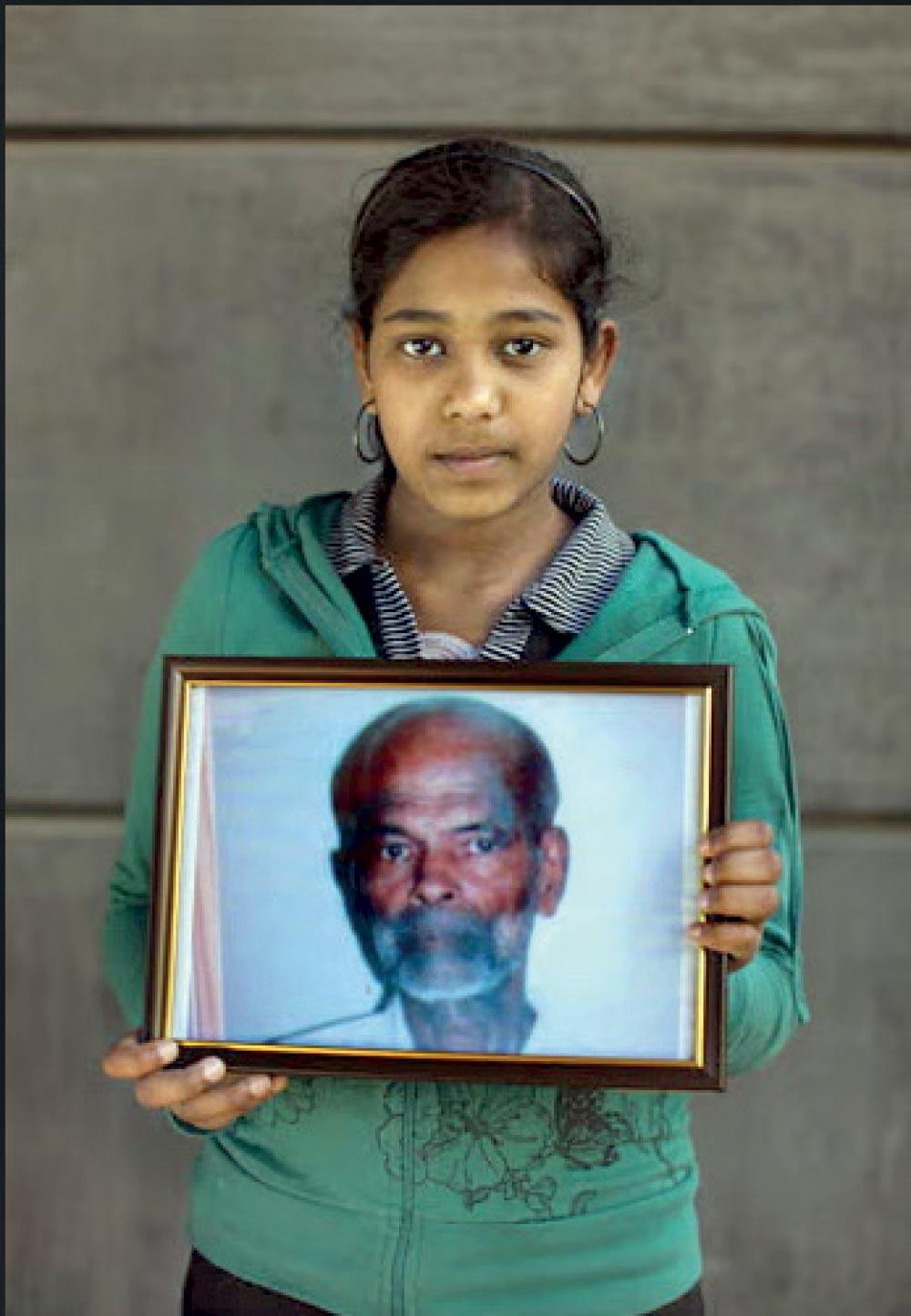
Many thousands of civilians perished in the final phase: Numbers vary from conservative figures of 11,172 by the Sri Lankan government report in 2014, to 30, 000 by the Darusman report, largely relying on data from diaspora groups, to 183,000 by pro-Eelam random bots on social media, and probably even several millions if vocal diaspora accounts are to be trusted.
The lack of clarity of the civilian death toll, which had since been exploited by the LTTE front groups, could have been avoided had the government, immediately after the war, opted to conduct a census. Such a measure required little logistics, considering that all the living had been herded into the camps– a necessary security precaution, though it might appear now, justifiably so, as callous. The very disregard to undertake these basic modalities in a post-conflict situation laid bare not just insensitivity, but it was also part of a deliberate effort at politicisation of war victory to aid Rajapaksa’s political fortune. Any number would have shattered the myth of zero casualties.
That was when the narrative was lost, after winning the war. Deliberate targeting (shelling) of civilians carries no operational advantage on the battlefield; instead, it could become a massive strategic burden. At the tactical level, counter-battery fire to target LTTE mortar batteries located in the perimeters of the crowded No Fire Zone, and covering fire in aid of advancing troops, might have been responsible for some level of civilian deaths.
Whether the military could have acted any differently within available technologies and weapon systems is a moot point.
Therefore, the greater question is not how the war was won. (The vast majority of Sri Lankans would claim it was worth the cost, irrespective of what number it is. Fair enough, the Tamil community may have a different take.)
The more pertinent question is what happened next. Seventeen years after the end of the war, Sri Lanka still carries its legacy. It remains divided and haunted by both genuine grievances and also aspirations masquerading as victimhood, which in the past morphed into nihilistic terrorism.
There are legitimate grievances, such as the missing and disappeared civilians and surrendered LTTE leaders and their families. However, the JVP, the lead party of the government, which also waged a nihilistic insurgency which cost 60,000 lives, should know by experience that the search, as much as moral and emotive, is futile. Yet the loved ones deserve closure. The government should find a means to bring that closure.
Economic and social concerns; woman-led households, poverty, unemployment, underemployment and disability, some of which are unique to the post-war context, and some aggravated by the economic crisis, continue to fester. The prolonged absence of a cohesive economic strategy to generate jobs, foster regional growth and promote FDI has worsened the crisis. On the other hand, grumbling over military-held land and hyped up grievance over encroachment of Buddhist temples follow a historical textbook style of political mobilisation with manufactured grievances. The government should address genuine concerns, but it should also keep an eye out for spoilers who fish in the troubled water.
And there are legitimate calls for the provincial council elections, originally introduced as a solution to the Tamil demand for devolution of power. The government should conduct them. However, any measure of greater devolution beyond the 13th amendment would set off not reconciliation but unravel Sri Lanka into Balkan-style fragmentation and a blood bath. That should be avoided.
Perhaps the greatest lesson that Sri Lanka failed to take from the war was that no amount of Norwegian kroners into reconciliation, peace caravans and politicians rubbing shoulders in cocktail parties could guarantee ethnic peace.
What Sri Lanka needs is a model of ethnic management. There are many functioning models, ranging from Singapore ( which many local literati cite as the reference point for everything great), Malaysia, Israel and even Rwanda. They set out the red lines of ethnic activism, and probably, an unofficial ethnic hierarchy, the latter we should opt out of. However, even the greatest evil is lamer than another spree of suicidal nihilism. The country has lost its innocence in the two decades of war. It should now make policies not based on morality, but on realpolitik that preserve the survival of the state.
The other lost opportunity of the post-war victory was economic modernisation. The brutal wars and ruthless crackdown of domestic rebellions have a unique property of turbocharging economic growth. Indonesia for the next 30 years after Suharto’s bloody crackdown of the communist coup, Chile under Pinochet, Taiwan after the Nationalist takeover of the island, etc., are some of the examples. Economic liberalisation requires bold policies which only a government with enormous authority and autonomy could undertake. A government that emerged through a bloody crackdown carries a hefty dose of it.
Sri Lanka had two windows of opportunity. First was the post-JVP insurrection in 1988-90, when Premadasa stood victorious before a cowed population and the other was in 2009, when Mahinda Rajapaksa emerged as a war-winning president. He should have used his popular legitimacy to open the floodgates of economic reforms. Instead, he chose to remove term limits on the presidency and turn the independent commissions into his rubber stamps.
That might make one realise Mahinda Rajapaksa was not the statesman his acolytes portray him to be. But in the land of the blind, the one-eyed man is king.
Sri Lanka’s economic stagnation and later meltdown were owing to Rajapaksa squandering a once-in-a-generation opportunity to leapfrog the economy through reforms.
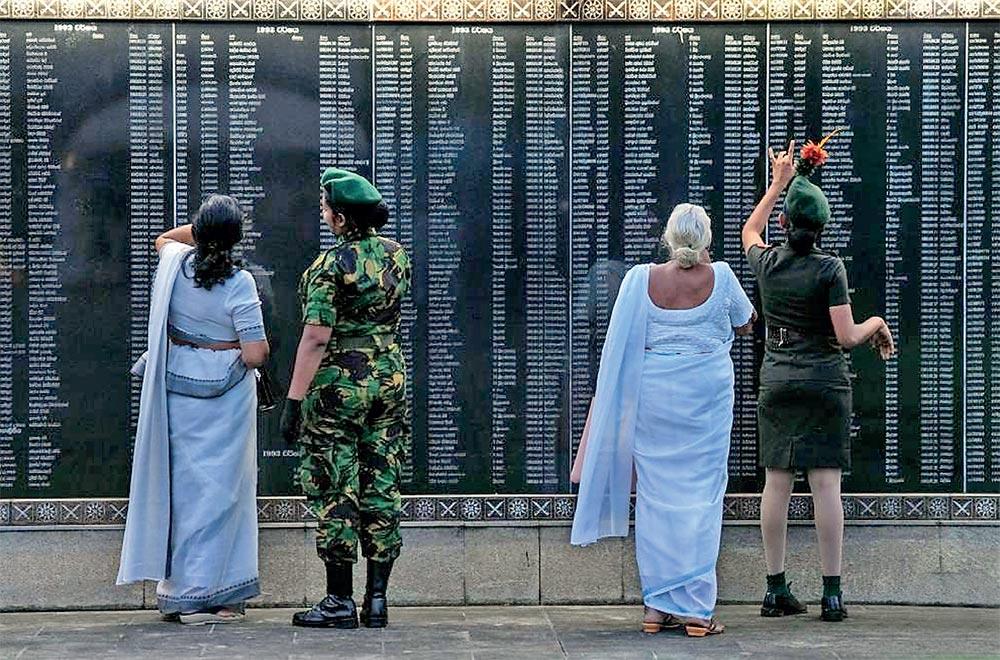
Yesterday, the nation marked the war heroes who paid with their lives and limbs so that the next generation could live in peace. A total of 6,261 military personnel died in the fourth Eelam war, and 29,551 were wounded. 28,708 military personnel died between 1983 and 2009. Many thousands were wounded. Thousands of civilians perished, disappeared and were wounded. Two generations of Tamil children were offered in zombie sacrifice in a nihilistic campaign of terror.
This week also saw thousands of civilians in the North commemorating the dead in the sliver of land where the final battle was held. The right to remembrance should be respected, and the government was right to provide a less intimidating political environment. However, remembrance should not equate to celebrating terrorism, though there was a faint clamour of it.
The least any government could do is to make sure that the hard earned peace would not be shattered within its term.
Follow the author on @RangaJayasuriya on X
07 Jul 2026 3 minute ago
07 Jul 2026 13 minute ago
07 Jul 2026 26 minute ago
07 Jul 2026 32 minute ago
07 Jul 2026 1 hours ago