12 Mar 2026 - {{hitsCtrl.values.hits}}
What is required at this hour is to ensure that the Government in fact is ready with backup plans and alternatives to supply fuel, gas and other essential items without any disruptions
Sri Lankans are once again facing several crises in the aftermath of the intensified conflict in the Middle East. Fuel and gas price hikes are obvious outcomes of these tensions and it doesn’t only affect Sri Lanka. Global oil prices have surged, with Brent crude briefly exceeding $100-120 a barrel. It is said that the conflict threatens supply chain disruptions. But this is not the first time that Sri Lanka experienced such shocks.
In response, governments are considering measures to mitigate impact, such as promoting cheaper biofuels, extending LPG price freezes, and considering releasing emergency oil reserves. In a historic move, South Korean President Lee Jae Myung announced that the Government would cap domestic fuel prices for the first time in nearly 30 years. Authorities are also seeking alternative energy sources beyond shipments through the Strait of Hormuz. Japan has instructed a national oil reserve storage facility to prepare for a possible release of crude oil to manage sudden hikes in global energy prices. Vietnam is temporarily eliminating import tariffs on fuels to ensure continued domestic supply amidst global disruptions.
This is why countries such as Sri Lanka need to have alternatives to fossil fuel and be ready to respond to changes in global energy markets. But this is easier said than done. The incumbent government is already in hot water over an alleged procurement of substandard coal from South Africa. The Public Utilities Commission of Sri Lanka (PUCSL) has submitted its investigation report into the importation of nine coal shipments for the Lakvijaya Coal Power Plant in Norochcholai. PUCSL Chairman highlighted that these substandard imports not only caused significant financial losses but also raised concerns about the operational efficiency of the power plant.
In the midst of this crisis the Government dissolved the Ceylon Electricity Board in a move to restructure the power sector. The goal is to improve financial sustainability, enhance operational efficiency, and attract investment. Energy sector analysts say the restructuring of the power sector is expected to play a critical role in improving efficiency, governance and long-term planning in electricity generation, transmission and distribution.
Following fuel price hikes, President Dissanayake announced that the supply of fuel and power would not be disrupted. But certainly there are internal and external factors that could disrupt these promises. Sri Lankans have already experienced how a former regime became unpopular when people realized that these reassurances were a mere media show. There’s certainly a fine line between looking good on media and executing actionable promises. This is perhaps why people decided to pump fuel immediately after US attacked Iran. Because people are fed up of facing sudden crises, especially in the Sri Lankan context.
Some of these crises could easily be managed if people were able to place their trust in the government. But in order to increase public trust, the Government needs to be accountable for their actions. People have had doubts about how the Government responded to certain situations. One example is the preparedness to avert the impact of cyclone Ditwah. According to statistics by certain non-governmental organisations working with disaster-affected communities, over 46,000 families have been displaced as a result of the cyclone. Certain authorities underscored the need to conduct landslide zonation mapping to determine high risk areas. But to what extent these activities have been conducted remains a doubt. There’s also an issue of availability of land. But that doesn’t mean that these people should continue living in temporary shelters.
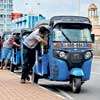
So what is required at this hour is to ensure that the Government in fact is ready with backup plans and alternatives to supply fuel, gas and other essential items without any disruptions. Already three-wheeler drivers have urged the Government to regulate fares as they feel it is unfair to charge different rates from customers. But once gas prices increase, it would impact prices of food and the cycle continues. The Government needs to ensure that the common man is being looked after, despite external pressures and that is a fundamental aspect when managing a crisis.
‘Your Thought’ is a space, a right of the readers to support or contradict and discuss the issues highlighted in the editorial and other articles in the editorial and op-ed pages. Designed as the reader’s editorial; our readers can send in their writings, with a word count not exceeding 200, to ‘Your Thought’, Daily Mirror Political Features Desk, No 8, Hunupitiya Cross Road, Colombo 2 or email to [email protected]
15 Jun 2026 4 minute ago
15 Jun 2026 7 minute ago
15 Jun 2026 12 minute ago
15 Jun 2026 28 minute ago
15 Jun 2026 31 minute ago