27 Mar 2025 - {{hitsCtrl.values.hits}}
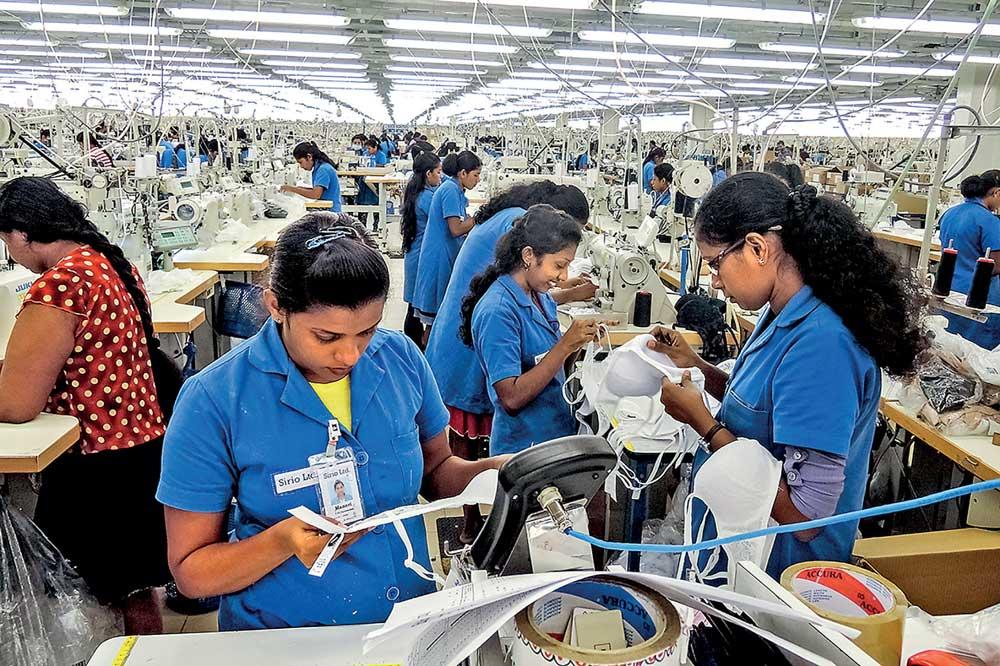
A smart workforce is not limited to technical expertise but also includes soft skills such as communication, collaboration and leadership
 In an era of rapid technological advancements and global economic shifts, Sri Lanka must urgently develop a smart workforce to navigate the challenges ahead. With increasing automation, digital transformation, and shifting global labor demands, the country’s ability to remain competitive and sustain economic growth hinges on equipping its workforce with the necessary skills and knowledge.
What is a Smart Workforce?
A smart workforce is adaptable, technologically proficient, and continuously evolving to meet modern economic demands. It consists of individuals who possess strong problem-solving abilities, digital literacy, creativity, and critical thinking skills. A smart workforce is not limited to technical expertise but also includes soft skills such as communication, collaboration, and leadership.
Moreover, a smart workforce is one that embraces continuous learning and reskilling to stay relevant in an ever-changing job market. Employees must be agile, willing to acquire new competencies, and able to work in diverse and cross-functional teams. In addition, a smart workforce is highly innovative, leveraging technology to improve productivity, efficiency, and decision-making.
Digital transformation is a key driver in shaping a smart workforce. Workers must be comfortable with emerging technologies such as artificial intelligence, cloud computing, and automation. Additionally, a strong emphasis on adaptability ensures that individuals can seamlessly transition between roles and industries as economic conditions shift.
By fostering a culture of lifelong learning and innovation, Sri Lanka can ensure that its workforce remains relevant and competitive in a rapidly changing global landscape.
A truly smart workforce is one that not only responds to technological advancements but also proactively drives innovation. It emphasises a growth mindset, where employees are encouraged to think creatively, embrace change, and seek continuous improvement. Organisations that cultivate a smart workforce prioritise employee well-being, work-life balance, and a collaborative work environment to enhance overall efficiency and productivity. With the right policies and educational initiatives, Sri Lanka can position itself as a global leader in workforce development.
The Need for a Skilled Workforce
Sri Lanka’s economy is at a crossroads. The country has faced significant economic hurdles in recent years, including a financial crisis, inflation, and reduced foreign investment. To overcome these challenges, the nation must transition from a traditional labour market to one that is knowledge-driven and innovation-focused. This transformation requires a workforce proficient in digital skills, artificial intelligence, data analytics, and other emerging technologies.
A skilled workforce is essential for driving productivity, increasing economic competitiveness, and fostering long-term growth. With rapid advancements in technology, industries are evolving at an unprecedented pace, demanding workers who can quickly adapt to new tools, processes, and business models. A highly skilled labour force is not only critical for attracting foreign direct investment (FDI) but also for enhancing local entrepreneurship and innovation.
Additionally, demographic shifts and an aging population pose further challenges to workforce development. As the demand for skilled labour increases, Sri Lanka must ensure that its workforce remains agile and prepared to meet evolving market needs. This includes providing opportunities for reskilling and upskilling to prevent job displacement due to automation and digital transformation.
Furthermore, globalisation has increased competition in industries such as information technology, finance, and manufacturing. Without a skilled workforce, Sri Lanka risks falling behind in attracting international investments and expanding its export sectors. The demand for highly trained professionals in science, technology, engineering, and mathematics (STEM) is growing, and the country must align its educational and vocational training programmes accordingly.
Enhancing Education and Vocational Training
A crucial step in building a smart workforce is reforming the education system. Sri Lanka must modernise its curriculum to focus on practical skills, problem-solving abilities, and critical thinking. Universities and technical institutes should collaborate with industries to ensure graduates are equipped with job-ready skills. Integrating technology-based learning, including coding, artificial intelligence, and data science, will better prepare students for the future job market.
Vocational training programmes also play a key role in upskilling workers. Government and private sector partnerships should be encouraged to provide on-the-job training, apprenticeships, and certification programmes in high-demand sectors. Industries such as information technology, renewable energy, healthcare, and manufacturing require specialised skills that can be developed through well-structured vocational education programmes. Additionally, improving access to vocational education in rural areas will help bridge the gap between urban and rural employment opportunities. Emphasising continuous learning and upskilling will help employees adapt to evolving market trends. Lifelong learning initiatives, such as online courses, professional development workshops, and industry-led training sessions, should be promoted to ensure workers remain competitive. Furthermore, educational institutions should instill an entrepreneurial mindset by incorporating business management and innovation-driven courses into their curricula, encouraging students to develop problem-solving and leadership skills from an early stage.
Promoting Entrepreneurship
and Innovation
Beyond education, fostering a culture of entrepreneurship and innovation is essential for economic growth. A thriving entrepreneurial ecosystem encourages job creation, diversifies the economy, and enhances competitiveness in global markets. Sri Lanka must create an enabling environment where startups and small businesses can flourish by reducing bureaucratic red tape, streamlining business registration processes, and offering tax incentives to emerging enterprises.
The government should also support startups and small businesses by providing financial incentives, mentorship programmes, and access to technology. Encouraging research and development (R&D) initiatives will help create homegrown solutions that address local and global market needs. Establishing innovation hubs, incubators, and accelerators will further drive technological advancements and business success. Moreover, public-private partnerships (PPPs) can play a crucial role in supporting entrepreneurship. Large corporations and academic institutions should collaborate to fund research projects, provide training opportunities, and facilitate networking events for young entrepreneurs. Encouraging venture capital investments and offering grants to promising startups will also help accelerate innovation and business growth.
Fostering an entrepreneurial mindset should start at the educational level. Schools and universities should integrate entrepreneurship education into their curricula, equipping students with the necessary skills to start and manage businesses. Additionally, promoting digital entrepreneurship will allow Sri Lankan businesses to tap into global markets through e-commerce, fintech, and digital services.
By nurturing a culture of entrepreneurship and innovation, Sri Lanka can empower its workforce to become job creators rather than job seekers, ultimately contributing to sustainable economic development.
Adapting to the Future of Work
The future of work is evolving rapidly, with remote work, the gig economy, and flexible employment models becoming more prevalent. Sri Lanka must embrace these changes by developing digital infrastructure, improving internet accessibility, and implementing policies that protect and support a dynamic workforce. Investing in digital literacy and ensuring that workers can operate in tech-driven environments will be critical for long-term success.
As automation and artificial intelligence reshape industries, reskilling and continuous learning will be essential to ensure that workers remain relevant. Companies must invest in workforce development programmes that enable employees to acquire new skills and transition into emerging job roles. Additionally, promoting hybrid work models can help organisations attract and retain global talent while increasing workforce productivity. The rise of the gig economy presents both opportunities and challenges. While freelancing and independent work offer greater flexibility, they also require proper labour protections, fair compensation structures, and access to social benefits. The government should introduce policies that safeguard gig workers while encouraging entrepreneurship and digital employment opportunities. Furthermore, fostering a culture of adaptability and resilience will be crucial in helping workers navigate an uncertain job market. Employers and policymakers must collaborate to create an environment where continuous upskilling, career mobility, and job security coexist, ensuring that Sri Lanka’s workforce remains competitive in the global economy.
A smart workforce solution
Several of Sri Lanka’s major economic challenges can benefit significantly from a smart workforce solution, leveraging skills, innovation, and strategic workforce planning to address underlying issues. Here are some key challenges that can be mitigated with a smarter workforce:
Sri Lanka faces high levels of youth unemployment and underemployment, particularly among educated youth. There is a mismatch between the skills available in the workforce and the skills needed by industries.
A smart workforce solution can involve upskilling and reskilling programmes to align educational curricula with industry needs, particularly in high-demand sectors like technology, healthcare, and renewable energy. Developing vocational training systems and industry-specific certifications can help bridge the skills gap and provide young people with opportunities to enter the workforce.
Example: Programmes like digital literacy training, coding boot camps, and STEM-focused education can equip the youth with marketable skills in technology and other high-demand fields.
While Sri Lanka has a reasonably educated workforce, productivity levels remain relatively low, and there is a need for more innovation in key sectors like agriculture, manufacturing, and services.
Investing in innovation-driven education and fostering a culture of entrepreneurship can help boost productivity. Smart workers can leverage new technologies such as AI, automation, and data analytics to optimise processes and drive efficiency across industries.
Example: Encouraging the workforce to adopt automation tools in agriculture, manufacturing, and services can improve output while also creating new job opportunities in emerging industries like tech startups and fintech.
Sri Lanka’s agriculture sector is in decline due to factors like outdated farming practices, adverse weather conditions, and the controversial shift away from chemical fertilisers. This affects food security and agricultural exports.
A smart workforce solution can involve training farmers in modern, sustainable agricultural practices and the use of technology such as precision farming and drone-based crop monitoring. Furthermore, innovation in agribusiness management can help increase productivity, reduce waste, and improve food security. Example: Introducing smart farming techniques, such as hydroponics or vertical farming, and providing workers with digital tools to track and manage crops efficiently can increase yields and reduce environmental impact.
Sri Lanka’s export base is narrow, with a heavy reliance on tea, textiles, and agricultural products. There is a need for industrial diversification and the development of high-value exports.
Creating a smart workforce that is skilled in fields like engineering, digital manufacturing, design, and innovation can help drive industrial diversification. Fostering research and development (R&D) skills in new sectors, such as high-tech manufacturing, electronics, and biotech, can increase the value-added exports.
Example: Developing technical skills in areas such as 3D printing, AI, and robotics can help Sri Lanka establish itself in emerging global markets like technology and electronics.
Sri Lanka’s debt crisis requires sound financial management and strategic economic planning. The country faces difficulties in handling its external debt, which has strained its foreign reserves and led to inflation.
A skilled workforce in finance, economics, and risk management can play a crucial role in addressing the debt crisis. Educating and empowering financial professionals to engage in sound debt management strategies, develop alternative financing models, and improve fiscal planning can help restore economic stability.
Example: Developing expertise in public financial management, investment strategies, and financial analytics could provide solutions to optimise the country’s debt repayments and improve the fiscal health of the economy.
Sri Lanka’s adoption of digital technologies has been slow, and many businesses still rely on traditional processes, leading to inefficiencies and missed opportunities in sectors like banking, healthcare, and manufacturing.
A smart workforce skilled in digital technologies like artificial intelligence (AI), blockchain, cloud computing, and big data analytics can drive digital transformation across industries. This will increase efficiency, enhance competitiveness, and attract foreign investment.
Example: Building a workforce skilled in IT and tech fields can lead to the creation of digital platforms for e-commerce, banking, and education, creating more jobs while fostering an innovation-driven economy.
Sri Lanka is highly vulnerable to climate change, which impacts agriculture, infrastructure, and overall economic stability. The country faces frequent natural disasters such as floods, droughts, and landslides.
Training a workforce in climate-resilient practices, renewable energy, and sustainable resource management can help mitigate the economic impact of climate change. Additionally, fostering expertise in disaster management and infrastructure planning can prepare the country for future challenges.
Example: Promoting the development of green technologies, renewable energy (e.g., solar and wind power), and climate-adaptive infrastructure can create new job opportunities while helping the country adapt to environmental changes.
The tourism sector, which is a major source of foreign exchange, has been severely affected by the COVID-19 pandemic, the Easter bombings, and political instability.
A smarter workforce can help transform the tourism industry by leveraging digital marketing, enhancing customer service, and creating innovative tourism experiences. Training workers in areas like digital tourism platforms, sustainable tourism practices, and hospitality management can boost the sector’s recovery.
Example: Building a workforce with expertise in digital tourism services, local experience curation, and sustainable tourism can attract more international tourists and revitalise the sector. A smart workforce can significantly contribute to Sri Lanka’s economic development by enhancing productivity, driving innovation, and attracting foreign investments. With a highly skilled and adaptable workforce, businesses can operate more efficiently, adopt cutting-edge technologies, and compete in global markets. This, in turn, will boost industrial growth, increase export potential, and create higher-value job opportunities.
Moreover, a workforce equipped with digital skills and entrepreneurial capabilities can help diversify the economy by promoting emerging industries such as technology, renewable energy, and advanced manufacturing.
By fostering a knowledge-based economy, Sri Lanka can reduce its reliance on traditional industries and build a more sustainable economic future. Additionally, improving workforce capabilities will enhance the country’s appeal to multinational companies seeking skilled professionals, leading to increased foreign direct investment and stronger economic resilience. Several countries that have benefited from a smart workforce generally invest in education, technology, and innovation, promoting high levels of skill, creativity, and adaptability.
The writer is the Dean of the School of Management at the BMS campus in Colombo and holds a PhD in Mass Media Communication.
04 Jun 2026 2 minute ago
04 Jun 2026 7 minute ago
04 Jun 2026 17 minute ago
04 Jun 2026 1 hours ago
04 Jun 2026 2 hours ago