12 Sep 2025 - {{hitsCtrl.values.hits}}
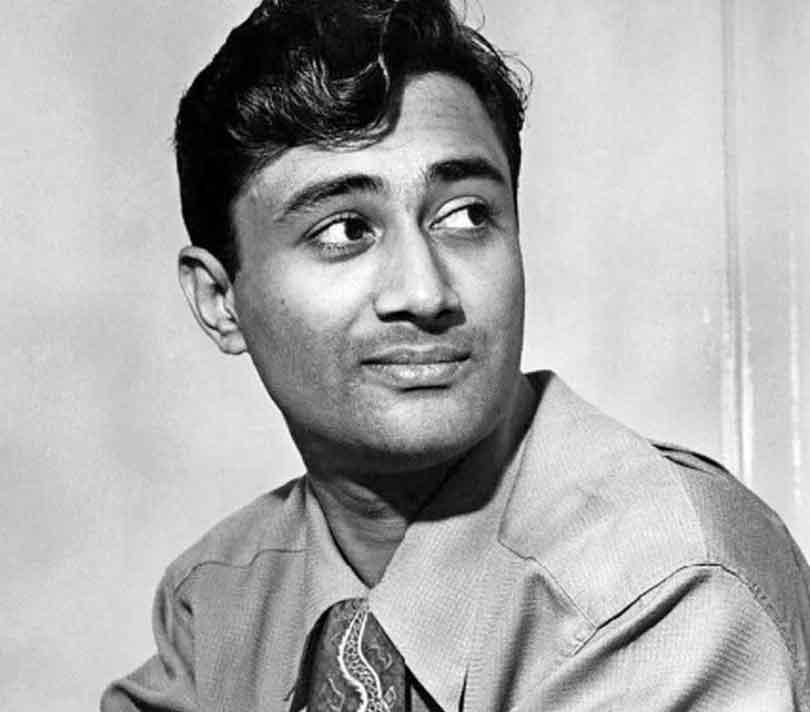
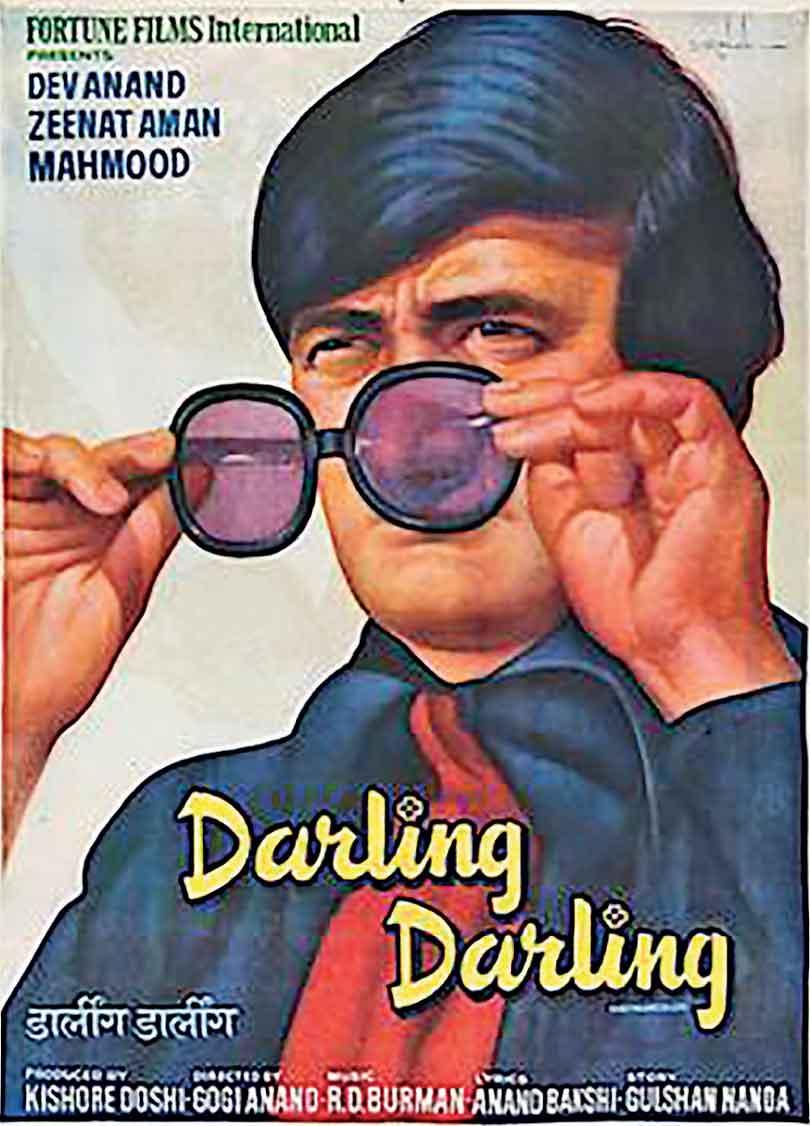
Darling Darling:
At the heart of a landmark case (Dev Anand vs Fortune Films) on performers’ rights in India
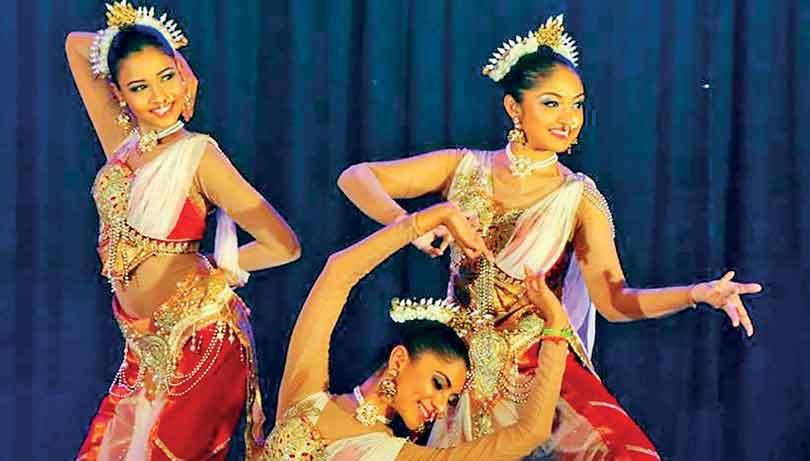
On stage, they own the moment. But the copyright lies elsewhere. FILE PHOTO
It is also important to note the duration and the scope of these related rights which a performer has. The general pattern of many jurisdictions is that rights such as the performer’s rights are for a definite period
 Firstly, we need to understand who a performer is; a performer is someone like a singer, actor, dancer, or musician. The performer has a performance right over their performance, but do they have a copyright? Performers eternally dabble with the question and want a copyright over their performance. In this regard, it is important to note how it breaks down when it comes to copyright and performers’ rights.
Copyright is owned by the author or creator of a work. For example, someone who would compose a song or the playwright of a play or a screen play for a film or a lyrics writer or a book writer, etc. On the other hand, performers’ right, which are also called neighbouring rights or related rights, is a special right granted to performers in relation to their performance. This right is not a copyright, but they are related to it and protected for the performance they did
Performers’ rights typically include the following three:
1. Control over the recording and broadcast of the performance.
2. Consent requirement for use of their performance in recordings broadcast to the public.
3. Moral rights in some countries.
An ideal example would be if a singer performs a song written by someone else, the songwriter owns the copyright of the lyrics, the music composer owns the music composition, and the Singer owns the performer’s rights in the specific performance, such as a Radio/TV show, a studio recording or a concert.
Most jurisdictions that have subscribed to the Rome Convention of World Intellectual Property Organization (WIPO), the Performer has the following exclusive rights, to:
Authorise or prohibit the recording of the live performance.
Authorise the broadcast of communication to the public of their live performance.
Receive remuneration from certain uses of their recorded performance, such as on radio or television, or streaming.
Although Sri Lanka is not a party to the Rome Convention, Sri Lanka has embedded in the Intellectual Property Act Number 36 of 2003 rights in a similar vein with regard to the performers’ rights in the sections that deal with related rights
However, the way Sri Lankan law provides performers’ rights is that the rights are protected for the performance contribution to the live and fixed performance and cover certain other uses such as recording, reproduction, broadcast and public communication and also the entitlement for royalties.
Fixation: This means the right to authorise or to prohibit the fixation of his recording of a live performance - Reproduction; this means the right to authorise copies of the performance, for example, released in recorded CDs, cassettes or vinyl discs.
Distribution and lending: this means the right to control making the fixed performance available to the public or to lend copies.
Public communication or broadcasting: this means to authorise broadcast streaming or other public communication of the performance.
Royalties and remuneration: this means a performer is entitled to compensation when their performance is exploited, for example, when recordings are sold, broadcast or made available to the public. Royalties have to be paid to the performer. Other than these rights, there is no recognition of a copyright for a performer over his performance in the Sri Lankan Law.
These rights described above, which are embedded in the Rome Convention as well as available in Sri Lanka under the intellectual property law, are separate from and do not automatically give the performer a copyright in the musical work or the script that you performed. To put it bluntly, if you did not create that underlying work which you performed, you would generally not own the copyright even though you performed it.
It is also important to note the duration and the scope of these related rights which a performer has. The general pattern of many jurisdictions is that rights such as the performer’s rights are for a definite period. These defined term periods specify the statute or regulation of each country. In Sri Lanka, the rights are “protected from the date of publication of the sound recording until the end of the fiftieth calendar year following the year of publication, or if it has not been published, from the date of fixation of the sound recording until the end of the fiftieth calendar year following the year of fixation”.
Now, let us look at the performers’ rights regime in other countries. In the United Kingdom, performers’ rights are protected under the Copyright design and patent act of 1988. Under the act the rights include economic rights, such as exclusive right to authorise, recording broadcast reproduction distribution and making available of the performance. The rights also include moral rights, which means the performer can claim attribution and object to derogatory treatment. (This moral right to performers is also available in Sri Lanka under the Model rights clause and section). The above mentioned rights last for 50 years after the performance just like in Sri Lanka. In the UK system, the performer does not have to hold a copyright in the performance itself but only the statutory given performers rights.
In the United States, there is no federal statutory copyright in a performance. Hence, performers cannot claim copyright over their live or recorded performance. However, some legal protection exists via rights of publicity. In the case Zacchini v. Scripps-Howard Broadcasting Co (1977). The US Supreme Court affirmed liability when a performance entire act was broadcast without consent. The First and Fourteenth Amendments do not immunise the news media from civil liability when they broadcast a performer’s entire act without his consent, nor does the Constitution prevent a State from requiring broadcasters to compensate performers. Furthermore, a minority of states have statutes that protect performance against their unauthorised records, but federal law doesn’t recognise performance copyright as a standard. In a recent case, Lehrman v Lovo [2025) Voice actors sued Lovo Inc., an AI voice cloning company, for using their voice recordings to create commercial AI clones without permission. A New York Judge ruled voice actors to pursue claims of violated publicity rights and potentially amend their copyright claim related to the use of the recordings for AI training. The bottom line is Performers in the United States don’t have copyright in their performance like in other countries we discussed, but only a limited protection and publicity rights and state laws. Moreover the Federal law of intellectual property does not discuss or protect the performers rights as a Copyright either.
In India, prior to 1994, Performers did not have recognising rights. With the amendment in 1994 it introduced performers special rights. This was further expanded in 2012 granting exclusive rights and moral rights to the performers. Here too performers rights include recording reproduction, distribution public communication, and royalty rights. However, in an Indian case law, even before the amendment in 1994, Fortune films v. Dev Anand in 1979, it was held that the performer didn’t have copyright in his performance. In a subsequent case titled, Indian singers rights association versus night fever club (2016), it was held that performers can enforce the performers rights via collecting societies to seek royalties and use injunctive reliefs for violations. Hence, in India as well performers do not enjoy a copyright, but only a performers right
In Australia, performers have related rights (neighbouring) recognised under the Copyright Act of 1968.
These rights include in sound recording statutory moral rights and the authorisation for live performance and recordings. Actors, Singers, performance, musicians, dancers, and other live performances have performers right in their performance. Other than that a performer does not have copyright on the underlying work they performed on in Australia
In Canada, the government recognises performers’ rights as distinct from authors rights. A notable case from Canada is Re:Sound v. Motion Pictures Theatres Association of Canada (2012). This case addressed equitable remuneration for sound recording for performers. In Canada, the related rights of performers remain distinct and economic rights are managed via collective societies (CMO). In Canada too, the bottom line is that performers have statutory neighbouring performers rights but not copyrights on the other performance itself.
In the survey done in on the question, Does a performer has copyright on the underlying work he performed on other jurisdiction not elaborated above i.e. EU, China, Japan UAE, Africa etc.,? The answer remained, No, a performer does not have copyright on the underlying work they performed on.
From the above analysis it is important to note the following
No jurisdiction grants performers any copyright in their performance itself—that remains the terrain of authors, composers or producers.
However, all jurisdictions except the United States provide a fairly strong, statutory framework of performance, rights, offering control and remuneration.
The US is the Outlier, which means it relies heavily on the publicity rights for performers to enforce their performers rights. The only exception is in certain state laws where narrowly tailored protection of performers rights are found rather than a comprehensive federal law. Nevertheless, the recent US case law cited above shows an evolving avenue for performers to assert their rights via publicity and copyright. However, this does not give any copyright to any performer of their performance just like in all other jurisdictions.
In the UK Proposed reforms around AI and personality rights have a possibility to strengthen performance protection in the future. This cannot be discussed in detail as it has not become Law as yet
Finally, there are some practical implications for a performers hence one should understand if you are a performer such as Singer, Actor, Musician, Dancer, etc. you should understand the following
You may have rights in relation to your performance, how it is used, even if you do not own the underlying work, meaning the copyright of which you performed.
You should consider registering otherwise documenting your performance and if possible joining rights management organisations (PRO) or negotiating license to ensure you receive royalties when your performance is exploited.
You should be aware of who holds the right to any fixed form of your performance. that means. Whether the Producer record label is your employer, and depending on the contract it will differ.
You should also be aware of what licenses are placed for broadcasting streaming or distribution
If you perform a work you created, for example you wrote the song or you composed music for the song, you hold both the copyright and the performance rights for your contribution to the work and which can compound your control and revenue streams.
In conclusion, a Performer has no copyright over the material they are performing on if they are only the Performer. No where in the world has this changed.
The writer is an Entertainment Law Attorney.
14 Jun 2026 44 minute ago
14 Jun 2026 3 hours ago
14 Jun 2026 3 hours ago
14 Jun 2026 4 hours ago