07 Aug 2025 - {{hitsCtrl.values.hits}}
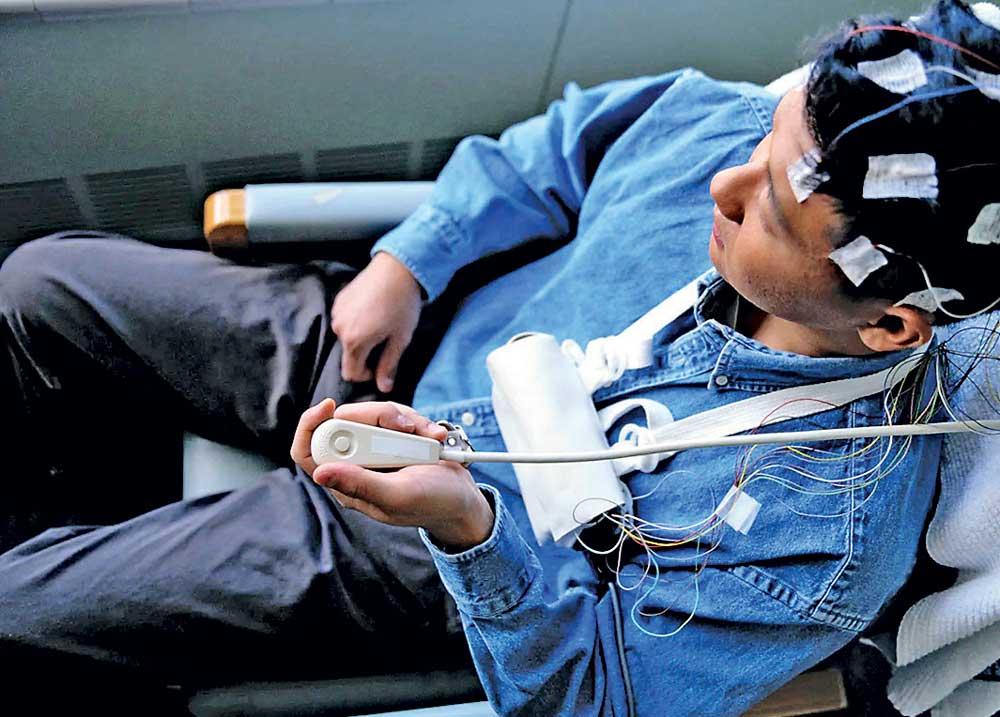
EEG helps detect abnormal brain activity, while MRI aids in identifying causes behind seizures. Source: Britannica.com
 Epilepsy, a neurological disorder characterised by recurrent seizures (fits), necessitates a comprehensive and individualised management approach. Effective epilepsy management aims to achieve seizure freedom while minimising side effects and optimising the patient’s quality of life. This article explores the multifaceted aspects of epilepsy management, encompassing diagnosis, pharmacological interventions, lifestyle modifications, and surgical options. Accurate diagnosis is paramount in guiding effective management.
A thorough patient history, including detailed descriptions of seizure events, their frequency, duration, and associated symptoms, is crucial. Electroencephalography (EEG) plays a vital role in identifying abnormal brain activity and classifying seizure types. Neuroimaging, such as magnetic resonance imaging (MRI), may be employed to detect structural abnormalities in the brain that could be contributing to seizures. Other diagnoses which may mimic seizures are also essential to rule out, such as syncope (fainting) or migraine. Once a definitive diagnosis is established, a tailored treatment plan can be formulated.
Pharmacological management, primarily through anti-seizure medication drugs (ASMs), forms the cornerstone of epilepsy treatment. The choice of ASM depends on several factors, including the type of seizure, patient age, other diseases the patient has, potential drug interactions, cost, availability and individual patient preferences. Using a single ASM is generally preferred initially, as it minimises the risk of side effects and drug interactions. If seizures persist, a gradual increase in the dosage or a switch to an alternative ASM may be necessary. In some cases, combination therapy with multiple ASMs may be required. The introduction of newer-generation AEDs has broadened the treatment landscape, offering improved tolerability and fewer drug interactions compared to older AEDs. However, older ASMs remain effective and are often preferred in specific seizure types. Patient education regarding medication adherence, potential side effects, and drug interactions is crucial for successful pharmacological management.
Beyond pharmacological interventions, lifestyle modifications play a significant role in epilepsy management. Identifying and avoiding seizure triggers, such as sleep deprivation, stress, alcohol consumption, and certain medications, can help reduce seizure frequency. Maintaining a regular sleep schedule, practising stress-reduction techniques, and adopting a healthy diet are also essential components of a comprehensive management plan. For some individuals, specific dietary therapies, such as the ketogenic diet, a high-fat, low-carbohydrate diet, can be effective in reducing seizure frequency, particularly in children with refractory epilepsy. In cases of refractory epilepsy, where seizures persist despite adequate trials of multiple AEDs, surgical options may be considered. Pre-surgical evaluation involves a comprehensive assessment to determine the suitability of surgery, including identifying the seizure focus and evaluating the potential risks and benefits.
Vagus nerve stimulation (VNS), deep brain stimulation (DBS), and responsive neurostimulation (RNS) are neuromodulation techniques that involve implanting devices to deliver electrical stimulation to specific brain regions, thereby reducing seizure frequency. These surgical interventions can significantly improve seizure control and quality of life for carefully selected patients. Psychosocial support is an integral part of epilepsy management. Living with epilepsy can have a profound impact on an individual’s emotional and social well-being. Anxiety, depression, and social stigma are common challenges faced by people with epilepsy. Counselling, support groups, and educational resources can help individuals and their families cope with these challenges and improve their overall quality of life. Furthermore, addressing comorbidities, such as cognitive impairment and mood disorders, is essential for holistic patient care. Regular follow-up appointments with a neurologist specialising in epilepsy are crucial for ongoing management.
These appointments allow for monitoring treatment efficacy, adjusting medication dosages, addressing side effects, and providing ongoing support. Patient-centred care, emphasising shared decision-making and open communication between the patient and healthcare provider, is essential for optimising treatment outcomes. In conclusion, the management of epilepsy requires a multifaceted approach encompassing accurate diagnosis, tailored pharmacological interventions, lifestyle modifications, and surgical options for refractory cases. Psychosocial support and regular follow-up are essential for optimising patient outcomes and improving quality of life. By adopting a comprehensive and individualised approach, healthcare professionals can help individuals with epilepsy achieve seizure freedom and lead fulfilling lives.
The writer is a Consultant Paediatric Neurologist at the Lady Ridgeway Hospital for Children and the National Epilepsy Centre of Sri Lanka.
11 Jun 2026 5 hours ago
11 Jun 2026 5 hours ago
11 Jun 2026 5 hours ago
11 Jun 2026 6 hours ago
11 Jun 2026 6 hours ago