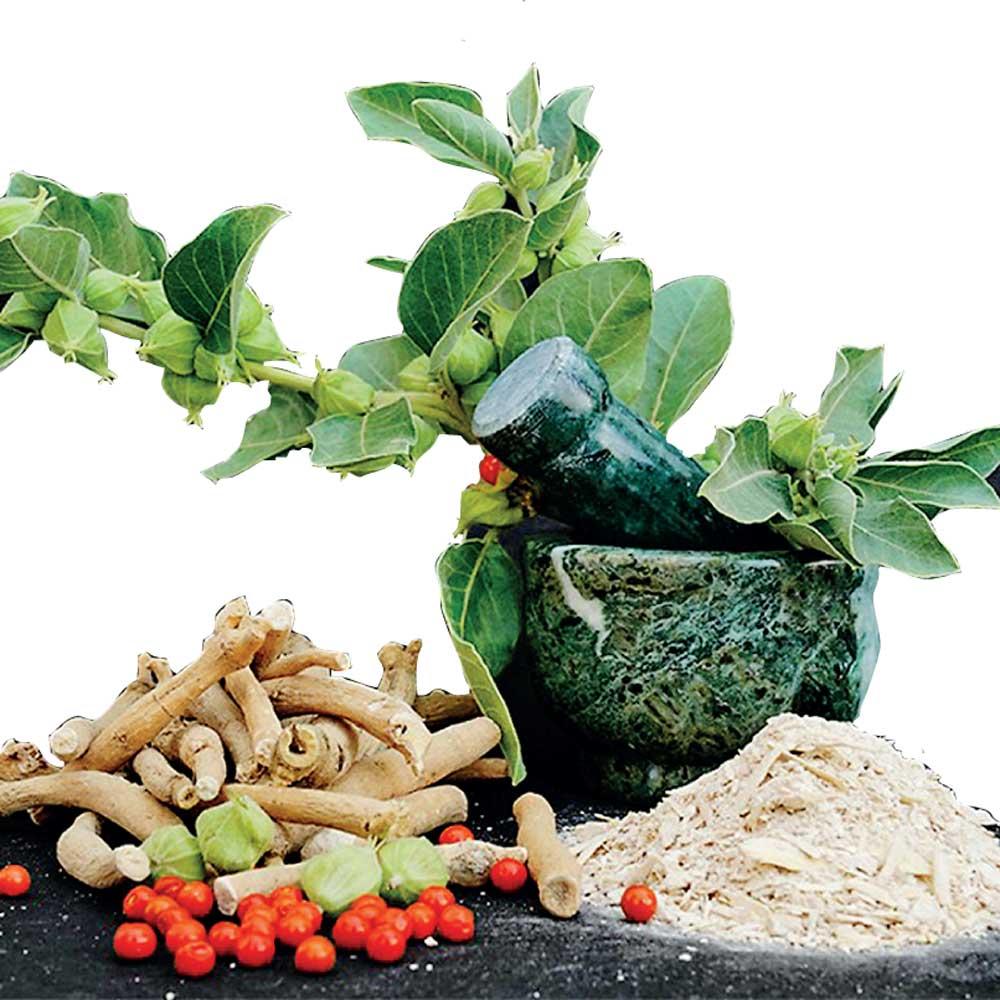
Ayurvedic remedies once validated through clinical research, could position Sri Lanka as a global supplier of affordable, effective medicines. The picture shows the herb ashwagandha
 |
| Prof. Pathirage Kamal Perera |
By Sugath Kulathunga Arachchi
Sri Lanka at present is a nation struggling under the weight of debt. Yet beneath this economic crisis lies a hidden fortune— one rooted not in gold or oil, but in its ancient medical traditions. According to Prof. Pathirage Kamal Perera, Dean of the Faculty of Indigenous Medicine at the University of Colombo, the country’s herbal knowledge, validated through modern science, could unlock a trillion-dollar industry.
This is not a romantic dream. It is a proven scientific pathway called “Reverse Pharmacology”, already transforming traditional remedies into global pharmaceuticals in India, China, and beyond. The question is whether Sri Lanka will act in time to claim its share of the future.
Scientist behind the vision
Prof, Perera is a pioneering figure. Trained in Japan and Sweden, and later earning a postgraduate qualification from Nanjing University in China, he is one of the first Sri Lankans to specialise in Reverse Pharmacology. His career bridges tradition and modernity.
“Reverse Pharmacology begins where communities have already tested remedies for centuries,” he explains adding “We then validate them scientifically, ensuring safety, efficacy, and affordability.”
Conventional drug discovery is notoriously slow and expensive, often taking 10–15 years and billions of dollars. Reverse Pharmacology flips the process: instead of starting in the lab and moving to clinical trials, it begins with remedies already trusted by generations, then confirms their properties through laboratory synthesis.
This approach reduces risk, cost and time. Within 3–5 years, safe and affordable medicines can be developed—an innovation that could revolutionise Sri Lanka’s pharmaceutical landscape.
Under Prof. Perera’s leadership, Sri Lanka is now producing its own Reverse Pharmacology-based innovations. His faculty with collaborate with other institution & researchers has already developed:
An Ayurvedic pill for diabetes, a herbal plaster for arthritis, a local alternative to sinus medication, a plant-based treatment for fractures and a fibroid remedy for uterine growths.
These remedies, once validated through clinical research, could position Sri Lanka as a global supplier of affordable, effective medicines.
The timing could not be better. According to the World Health Organization, nearly 70% of the global population still relies on traditional medicine. In India alone, over 500 million people use Ayurveda, Unani, Siddha, and Homeopathy. Demand for safe, plant-based remedies is surging worldwide, especially in Europe, where herbal supplements dominate wellness markets.
WHO projects the global herbal medicine industry will reach US$ 5 trillion by 2050. For Sri Lanka, this is not just an opportunity—it is a lifeline.
Economic and Social Impact
Professor Perera emphasises that this is about more than science. It is about national prosperity.
Our Farmers could cultivate medicinal plants to international standards, opening new export markets.
Universities would gain patents, postgraduate research opportunities, and international collaborations.
Our Vedamahaththayas, Traditional healers would finally receive recognition, royalties, and intellectual property rights.
Country Healthcare systems would benefit from reduced costs, faster recovery, and healthier populations.
Already, Sri Lanka imports turmeric from Sweden due to lack of local quality standards. With proper regulation and cultivation, such imports could be reversed, empowering local farmers instead.
“We must ensure quality cultivation,” Professor Perera insisted. “Our farmers deserve access to global markets, not dependency on imports” he affirmed.
Even though the opportunity is vast, but so are the risks. Without clear regulations, standardized cultivation, and qualified leadership, Sri Lanka could lose its chance. Neighbouring countries are already profiting from their traditional knowledge.
Regulation: Clear laws are needed to protect intellectual property and ensure quality.
Leadership: Qualified experts must be appointed to lead state institutions.
Investment: Funding is required for laboratories, cultivation, and marketing.
Global Standards: Products must meet international safety and efficacy benchmarks.
If Sri Lanka delays, others will dominate the market.
Prof. Perera spoke with urgency: “This is a rare opportunity. If we fail to seize it, others will. But if we succeed, Sri Lanka can transform its ancient wisdom into a modern economic miracle.”
He envisions universities collaborating with global institutions, farmers cultivating medicinal plants for export, and traditional healers receiving recognition. “Our heritage must not remain in museums. It must live in laboratories, hospitals, and markets,” he said.
A call to action
Sri Lanka stands at a crossroads. It can remain a debtor nation, or it can harness its heritage to build prosperity. Reverse Pharmacology offers a path to global relevance, economic independence, and healthier citizens.
The choice is stark, the stakes immense. Ancient wisdom has already proven its worth. Now, it is up to modern leadership to act. “We must seize this moment. Our future depends on it,” Prof. Perera concluded.
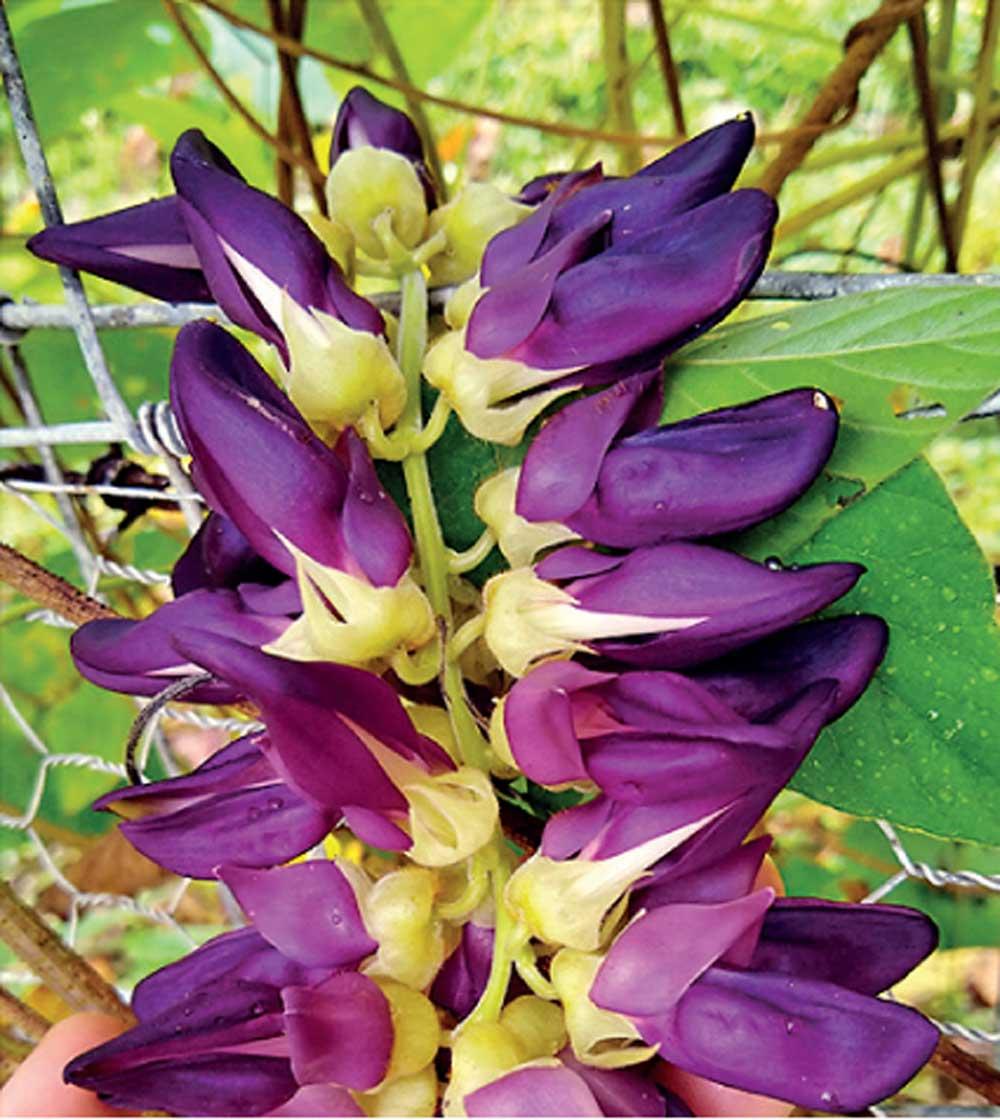
Mucuna pruriens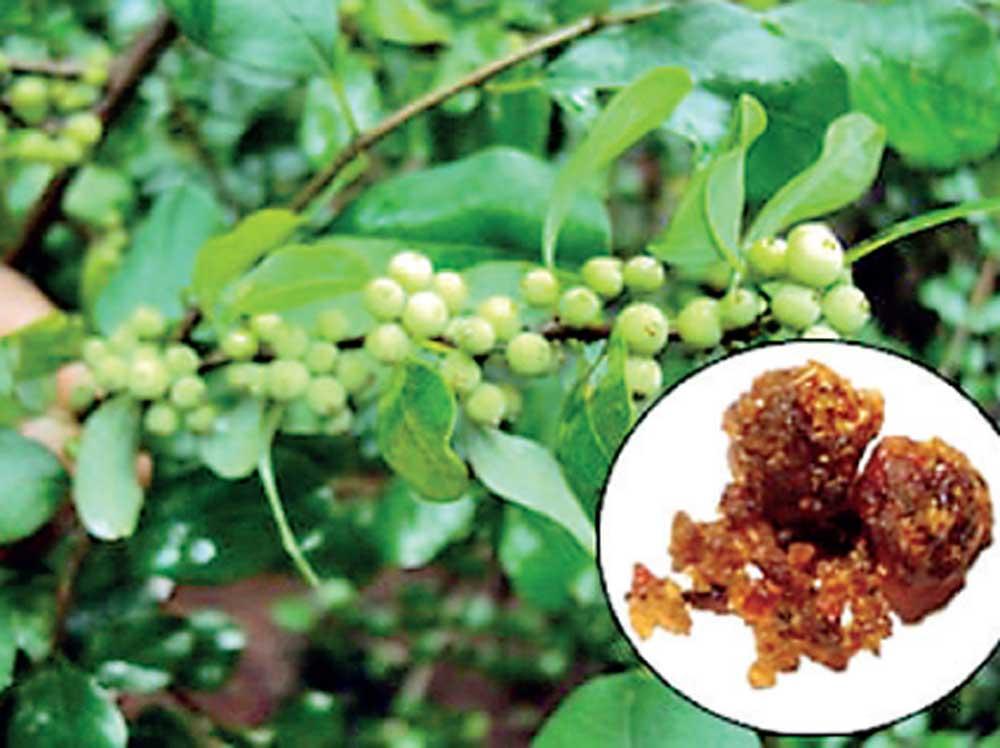
Commiphora-wightii-planet- Guggul