22 Jul 2025 - {{hitsCtrl.values.hits}}
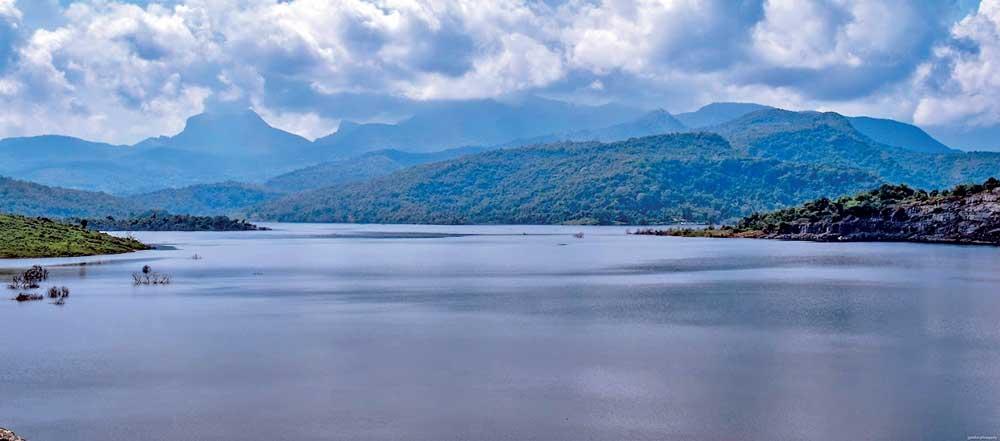
The proposed 50 megawatt floating solar power project in Kaluganga reservoir has been met with criticism by environmental organisations
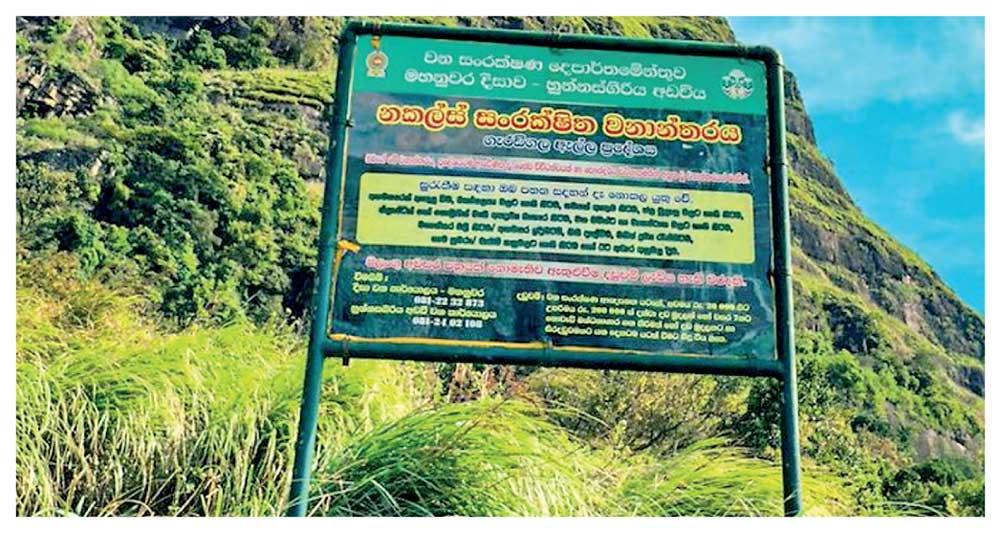
If streams flowing down from the Knuckles Mountain Reserve range are effected by the construction of power projects,
it would have an impact on the dwelling and the breeding grounds for several species of endemic fish
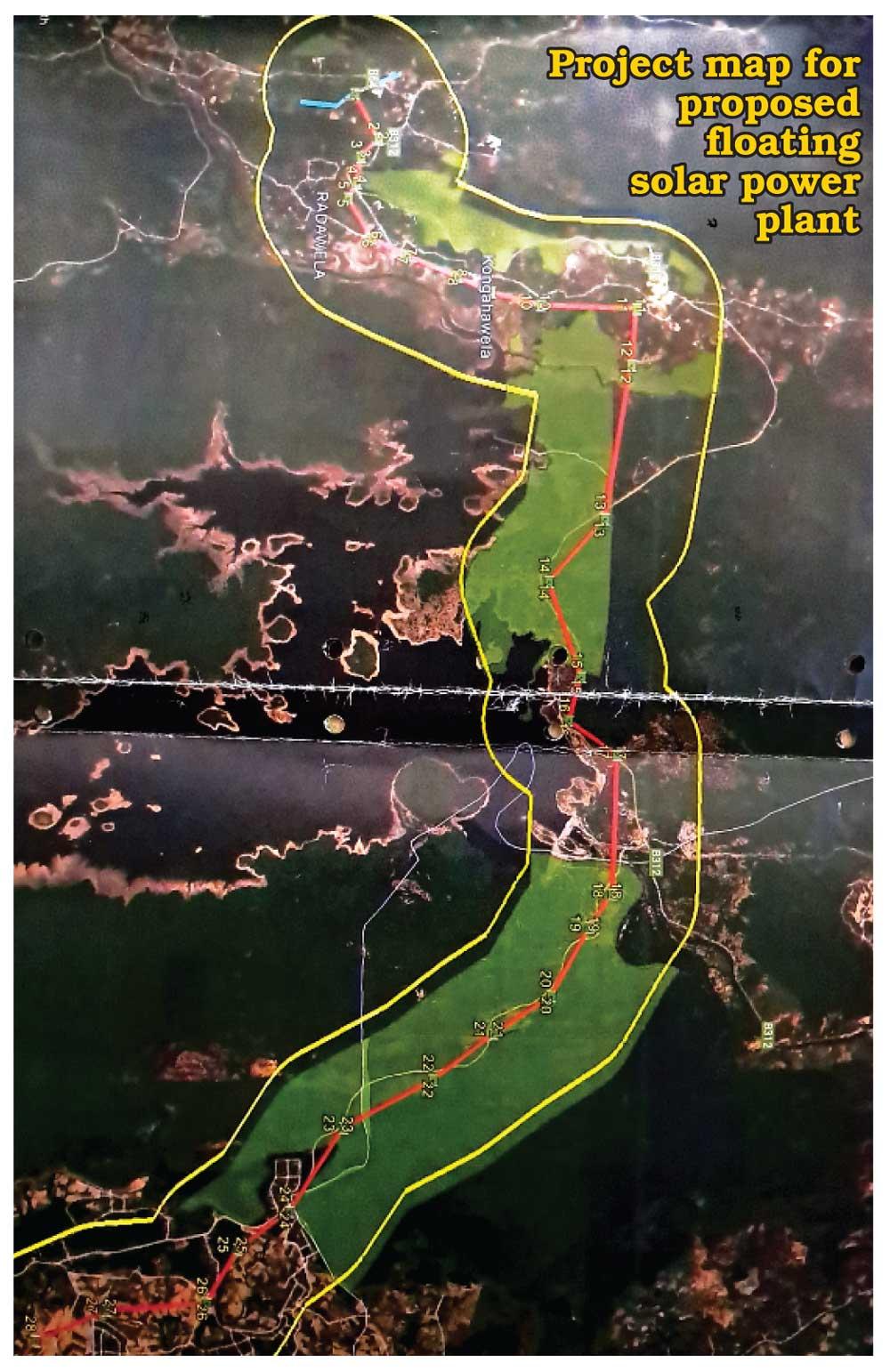
 The proposed 50 megawatt floating solar power project in Kaluganga reservoir has been met with criticism by environmental organisations. They have pointed out that the proposed project would cause extensive environmental damage to the reservoir and pose a threat to several species of fish endemic to Sri Lanka.
An Environmentalist and Director of Nature Foundation said that Kaluganga river and Kaluganga reservoir form the dwelling and the breeding grounds for several species of endemic fish including Dumbara Galpadiya (Garra Ceylonesis), Dumbara Malpethiya ( Puntius Martenstyni) Dandukapethiya ( Puntius Srilankensis in streams flowing down from the Knuckles Mountain Reserve range of virgin forest.
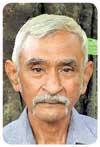
It is in question why they preferred Kaluganga reservoir in a highly sensitive environmental zone. It is unavoidable that the solar panels spread over a large area of the reservoir would seriously affect the plant and aquatic life,”
-Dr. Jagath Gunawardene, Senior Environmentalist and Lawyer

Laying solar panels on the surface of the water would cause extensive damage to the hydro-cycle. The forests in the central hills are musty cloud-shaded. This environmental system performs a vital role in the hydro-cycle”
- Mendis Wickremesinghe, Environmentalist and Researcher
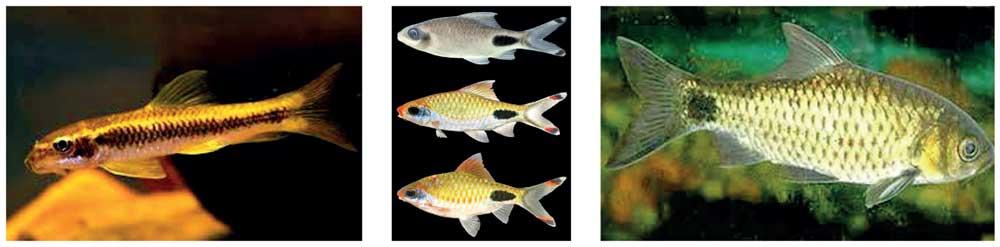
Kaluganga river and Kaluganga reservoir form the dwelling and the breeding grounds for several species of endemic fish including, Garra Ceylonesis (Caption 4), Puntius Srilankensis (Caption 5) and Puntius Martenstyni (Caption 6)
 It is prohibited by joint decision of the Wildlife Conservation Department, the Forest Conservation Department and the Irrigation Department to introduce to the river or the reservoir any exotic species of fish or to carry out fresh water fishery that would be harmful to the existence of the fish in the river and the reservoir.
“Kaluganga flows through a highly sensitive environmental zone rich in bio diversity and aquatic resources. It is fed by the streams flowing down from the Knuckles range. Laying solar panels on the surface of the reservoir is detrimental to the plant and aquatic life. In terms of the project proposal, the Mahaweli is entitled only to six percent of the income generated from the solar power project. Almost the entire income generated from the project will be benefited by the company. We request the Mahaweli Authority to reconsider the implementating of this project,” Ravindra Wickremesinghe, the Director of Nature Foundation said. Kaluganga irrigation scheme is a parallel to Moragahakanda multipurpose project. Nranattaoya that originates in the North – Eastern slopes of Yakungehela hills flows into main river that originates in the Northern slopes of Selvakanda hills. The river that flows down is fed by Duvili, Sansun, Narangettaoya, Kaludiyapokuna and Dumbara falls and Kudaoya river originating from the Eastern Slopes of Gombaniya hills creating Kaluganga River.
Kaluganga reservoir has been built by constructing a dam across the river at Pallegama in Laggala in the Matale district. The reservoir comes under the purview of the Sri Lanka Mahaweli Authority.
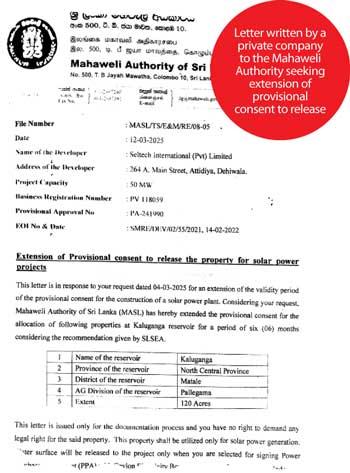
A private company has submitted a project report to implement a floating solar panel project over an area of 120 acres in Kaluganga reservoir to add 50 megawatts to the national grid. The company is at present preparing an Environmental Impact Report for approval from the Central Environmental Authority and the Sri Lanka Mahaweli Authority. They have sought permission of the Forest Conservation Department to implement the project with minimum damage to the forests.
Concerns over plant and aquatic life
“A gigantic solar power project of this type should be located in a reservoir in the Dry Zone which is exposed to brighter sunshine. It is in question why they preferred Kaluganga reservoir in a highly sensitive environmental zone. It is unavoidable that the solar panels spread over a large area of the reservoir would seriously affect the plant and aquatic life,” said Senior Environmentalist and Lawyer Dr. Jagath Gunawardene.
Environmental organizations have pointed out that the company has informed the Forest Conservation Department that the passage of the project’s power transmission line would stretch over a forest reserve. They also point out that a vast area of the forest reserve, rich in bio diversity, would be cleared for this purpose.
Biologists and Ichthyologists have expressed concern about the unavoidable adverse effects on the bio-diversity of the region if the proposed project was implemented.
A young researcher on animal and plant life Iresh Wijerathe said that Dumbara mountain range is the main habitat of several critically endangered species of Chameleons (Agamid Lizards) in Sri Lanka.
“More than 22 species of Chameleon are found in Sri Lanka, 29 of which are endemic to Dumbara and Rakwana mountain ranges. Now 40 percent of their habitat are outside the protected areas. With this in view, it is imperative that particular attention is paid on sparing the meagre Dumbara range,” Iresha said. A leading Environmentalist and Researcher Mendis Wickremesinghe pointed out the ill-effects of the project on aquatic life.
“Laying solar panels on the surface of the water would cause extensive damage to the hydro-cycle. The forests in the central hills are misty cloud-shaded. This environmental system performs a vital role in the hydro-cycle. The clouds function as natural sponge that absorbs moisture in the atmosphere and release them as rain that fills the water resources. It result in separating a large amount of carbon dioxide in the atmosphere and reduce climatic changes to the barest minimum. The cloud shaded forests depends largely on water factor.
When the reservoir is covered with solar panels it interrupts this natural hydro- cycle. In Sri Lanka it is not scarce to find better open-air sites for solar power projects,” he explained. This newspaper attempted to contact the Director General of Sri Lanka Mahaweli Authority H.M.J.K.Herath to make inquiries in this regard, but our efforts proved futile.
When inquiries were made from Matale District Forest Conservator Sampath Wanigasekara, he said that he assumed duties quite recently and was not in a position to make any comments without a thorough study of the issue.
11 Jun 2026 5 hours ago
11 Jun 2026 5 hours ago
11 Jun 2026 5 hours ago
11 Jun 2026 6 hours ago
11 Jun 2026 6 hours ago