24 Dec 2025 - {{hitsCtrl.values.hits}}
Captain Alden Partridge
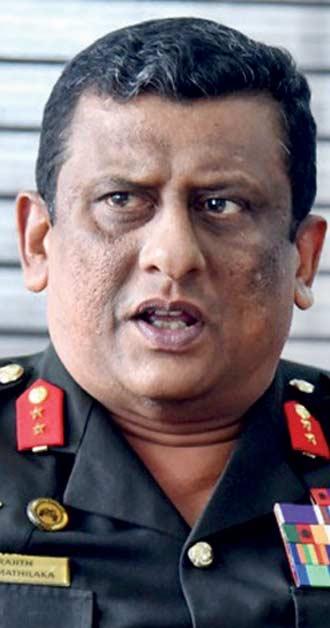
Director Major General A.P.C.R. Premathilaka
Octavia Hill
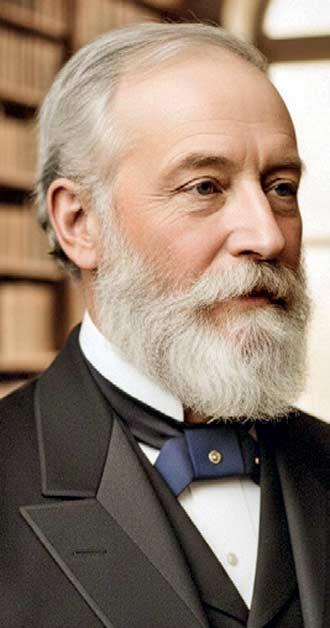
Royal College Principal John B. Cull
 “Modern cadet movements have transitioned from being purely ‘feeder’ systems for the military into sophisticated youth development programmes aimed at social reform and character building.”
“The National Cadet Corps remains a vital pillar of Sri Lankan society, bridging the gap between the state and the youth, and between the divided regions of the past.”
“The goal is to transform students into practical individuals who can endure challenges with tolerance and a community-minded spirit.”
“When a cadet from Galle plays football against a platoon from Jaffna, the barriers of language and history begin to erode, replaced by the universal rules of the game.”
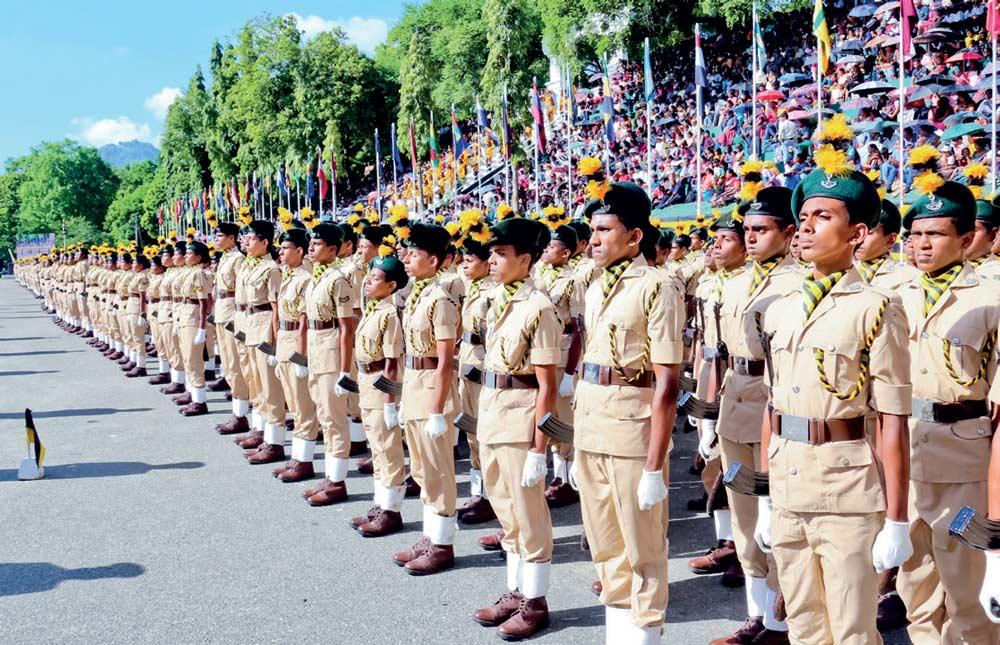
 On December 27 and 28, the Alfred Duraiappah Grounds in Jaffna will transform into a theater of discipline and athletic prowess. Under the resonant theme “Never be unprepared,” the National Cadet Corps (NCC) is set to host the ‘Cadet Sports Meet,’ marking a significant milestone for the institution and the region.
This event is more than a mere competition; it is a homecoming for a national tradition. After a hiatus since 2019, the national-level meet returns with a strategic purpose. Director Major General A.P.C.R. Premathilaka noted that a primary objective is to expand the cadet movement in the Northern and Eastern provinces.
The concept of cadetship is deeply rooted in global history, originating as a bridge between civilian life and military service.In a more formal sense, modern cadet movements trace their lineage back to the mid-19th century in the United Kingdom. During the 1850s, amidst fears of invasion and the pressures of the Crimean War, “Volunteer Units” were formed, often involving schoolboys.
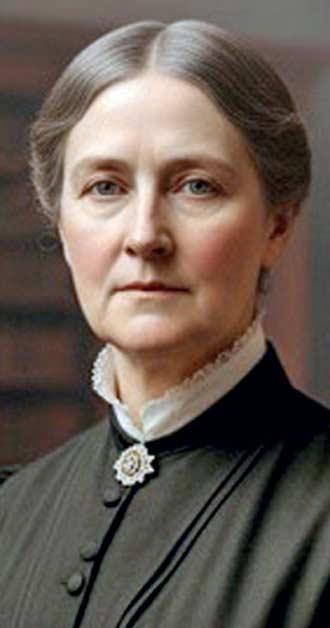
The official recognition of these units led to the birth of the Army Cadet Force (ACF) in 1860, founded by Miss Octavia Hill. She believed that military discipline could be used as a tool for social reform and character building among urban youth, a philosophy that eventually spread across the British Empire.
The modern cadet movement originated from the French tradition of “cadets,” where younger sons of nobility joined military units to learn leadership. This evolved into a structured youth organisation in 1860, when social reformer Octavia Hill founded the first Army Cadet Force unit in London to instill discipline and purpose in urban youth. The British War Office soon recognised these units as a means of national strengthening.
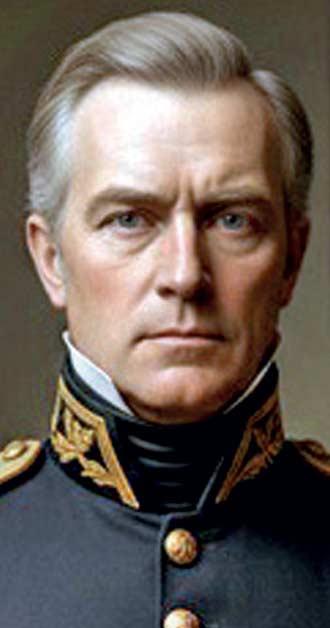
In Sri Lanka, the movement began at Royal College in 1881 under Principal John B. Cull, who used military drill to foster student discipline. This initiative eventually became the National Cadet Corps. Globally, figures like Captain Alden Partridge in the United States contributed the “citizen soldier” philosophy by blending academic study with military training.
Today, the international cadet situation reflects a diverse landscape of youth empowerment. Many nations maintain vibrant organisations modeled after the British system, such as the Australian Defence Force Cadets, the Royal Canadian Army Cadets, and the National Cadet Corps of India. These organisations have transitioned from being purely “feeder” systems for the military into sophisticated youth development programmes.
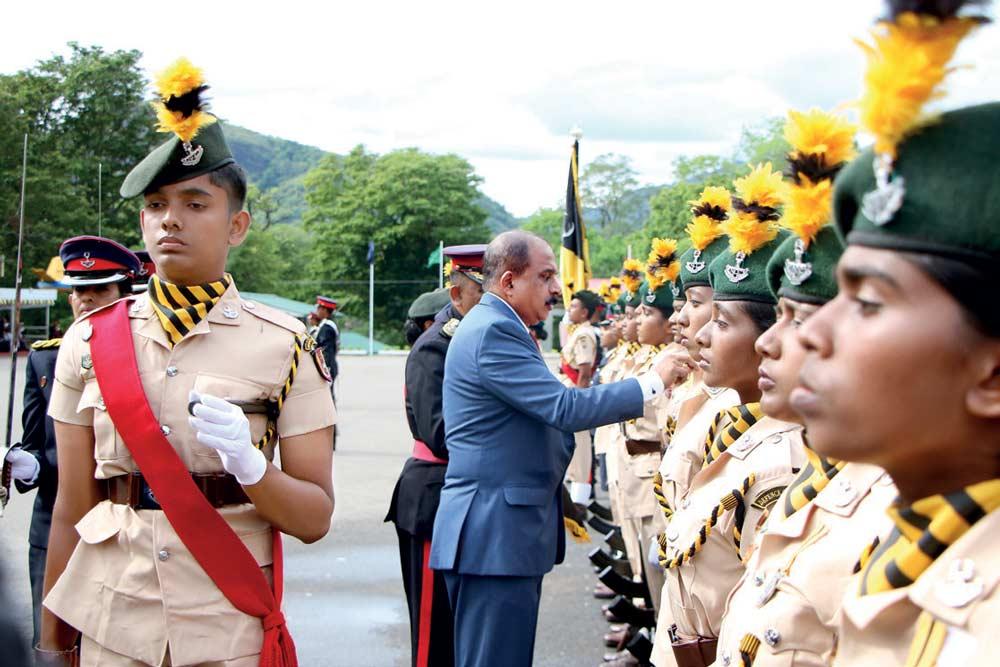
Sri Lanka
The Sri Lankan chapter of this story began in 1881 at Royal College, Colombo. The then-Principal, Mr. John B. Cull, introduced military drill to students with the simple aim of instilling discipline. What began as a local school initiative soon gained momentum, becoming the Ceylon Volunteer Force in 1881. By 1902, the cadet movement was formally established with the formation of the “Cadet Battalion” of the Ceylon Light Infantry.
From those early drills at Royal College, the NCC has blossomed into a massive national network. Today, the Corps commands a network of 85,000 cadets and over 3,000 officers. The infrastructure is impressive, structured into 30 battalions, including 29 for boys and nine for girls across Senior and Junior Divisions.
Its footprint extends to 2,200 schools island-wide, offering specialised paths in Defense, Police, and Band (Eastern and Western) units.
The recruitment process is strictly governed by the National Cadet Training Policy (NCC CORD 03), ensuring that only those who meet the medical and age requirements (12-14 for Juniors; 14-20 for Seniors) join the ranks. This policy acts as a quality control mechanism, ensuring the safety of participants while maintaining the high physical and mental standards expected of a cadet.
The modern NCC mission shifts the focus from the classroom to the character. The curriculum is rigorous, spanning physical exercise, live firing, and self-confidence tests to academic military subjects like map reading and land tactics. “The goal is to transform students into practical individuals who can endure challenges with tolerance and a community-minded spirit,” Major General Premathilaka explained.
This training creates a unique resilience that is often absent in purely academic settings. Cadets are taught to thrive in the “Rantambe” environment, the Corps’ main training center, where they undergo intensive leadership trials. At Rantambe, cadets are removed from their comfort zones, forced to work in teams, and tasked with navigating complex terrains and barrack tests.
This holistic training culminates annually in the prestigious Hermann Loos and De Soysa Championship Camps. While those leadership trials concluded in November, the upcoming Jaffna meet focuses on physical excellence, featuring marathons, track and field, netball, football, and volleyball.
By the end of 2025, all regional training and camps will have culminated in these national events, involving thousands of eager participants.
The inclusion of the Northern and Eastern provinces in these national celebrations is seen as a vital step in “re-establishing the cadet spirit” in regions where participation had previously been lower due to historical constraints.
Furthermore, the NCC syllabus now includes “civic subjects” designed to produce socially updated citizens. These subjects cover duty law, first aid, and military knowledge, which provides cadets with a foundational understanding of the state’s administrative and security architecture.
The Alfred Duraiappah Grounds, named after the former Mayor of Jaffna, serves as a poignant backdrop for an event themed “Never be unprepared.” It symbolises a city that is rebuilding and a youth population that is eager to integrate into the national fabric.
Major General Premathilaka emphasised that the “harmony and reconciliation between the races” is not a byproduct of the event, but one of its primary goals. When a cadet from Galle plays football against a platoon from Jaffna, the barriers of language and history begin to erode, replaced by the universal rules of the game.
The Director’s vision extends to 2025, aiming for a complete integration where every battalion in the North and East is at full strength. This requires a proactive recruitment strategy. The NCC aims to show parents and educators in these regions that cadetship is not merely about “soldiering,” but about providing their children with the leadership skills necessary to compete in the global job market.
As the 2025 training cycle concludes with this grand event in Jaffna, the NCC is already looking ahead to the future. Recruitment for the 2026 cycle is planned for January and February, inviting a new generation to step out of the classroom and into a legacy of service.
The “Herman Loos & De Soysa” tradition will continue to be the ultimate prize, but the Jaffna Sports Meet stands as the year’s most significant cultural bridge.
Ultimately, the National Cadet Corps remains a vital pillar of Sri Lankan society. It bridges the gap between the state and the youth, between the military and the civilian, and between the divided regions of the past.
07 Jun 2026 9 minute ago
07 Jun 2026 15 minute ago
07 Jun 2026 2 hours ago
07 Jun 2026 2 hours ago
07 Jun 2026 2 hours ago