07 Jun 2025 - {{hitsCtrl.values.hits}}
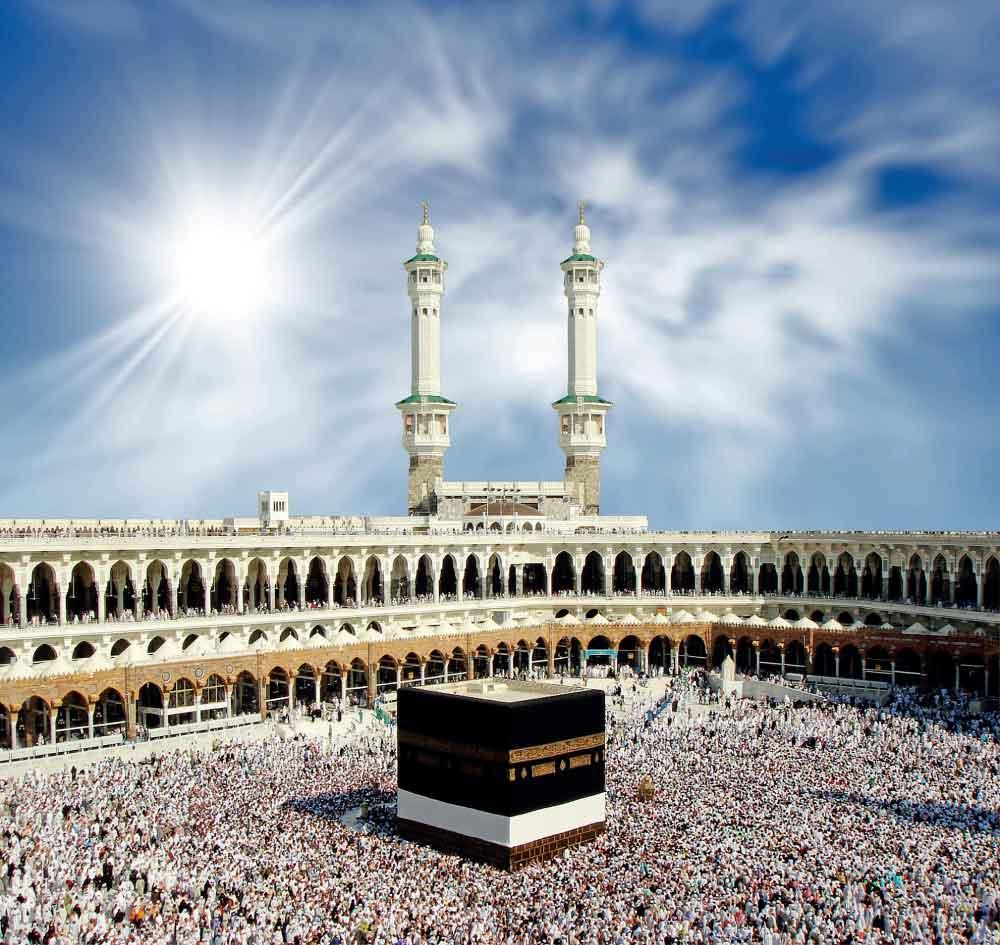
Festival embracing unity
By Dr. Zain Fayiz Saleem
Eid - ul -Adha,the ‘Festival of Sacrifice’, is one of the most significant and sacred celebrations observed by millions of Muslims around the world. It falls annually on the 10th day of Dhul – Hijjah, the final month of the Islamic lunar calendar. This day also marks the culmination of the annual Hajj pilgrimage – one of the five pillars of Islam.
Eid - ul - Adha is a deeply spiritual occasion that commemorates the profound story of Prophet Ibrahim (Peace Be Upon Him), who was tested by Almighty Allah and commanded to offer a great sacrifice as a demonstration of his unwavering faith (Emaan). His obedience and devotion continues to inspire generations of believers.
While rooted in religious tradition, the message of Eid - ul - Adha transcends borders, languages, and cultures. It is a festival that powerfully reflects universal values of compassion, selflessness, and unity.
A celebration in a diverse society
The Muslim community in Sri Lanka also takes part in this spiritual occasion, participating in prayers, charitable activities, and helping those who are less fortunate. In Sri Lanka, where people of diverse faiths and ethnicities live side by side, the celebration of Eid - ul- Adha becomes more than a religious observance. It becomes an opportunity to strengthen interfaith understanding, reaffirm our shared humanity, and celebrate the richness of our pluralistic society.
The core values of Eid -ul-Adha - faith, selflessness, compassion, and generosity – are universal. These principles resonate deeply with the teachings of many religions in Sri Lanka, including Buddhism, Hinduism, and Christianity. The notion of sacrifice for the greater good, sharing with the less fortunate, and embodying humility and gratitude is integral to the moral fabric of all religious traditions. This makes Eid not just a Muslim festival but an opportunity for all Sri Lankans to reflect on shared values and interconnected lives, especially in a nation with such a rich cultural and religious diversity.
A festival Encompassing interfaith engagement
Sri Lanka is a multicultural, multi-religious nation, where Sinhalese, Tamils, Muslims, Christians, Burghers, Malays and others have lived together in harmony for generations, each contributing uniquely to the country’s rich heritage. In such a diverse society, Eid -ul - Adha presents a meaningful opportunity for interfaith engagement and mutual respect.Public recognition of religious festivals from all communities not only affirms the freedom of religious expression but also plays a vital role in bridging cultural divides. The observanceof Eid - ul -Adha highlights the importance of inclusion, understanding, and peaceful coexistence among all Sri Lankans.
Importance of shared values and stronger bonds
In a world increasingly affected by division and intolerance, festivals like Eid – ul – Adha serve as powerful reminders of the values that unite us. At the heart of this sacred celebration lie faith, sacrifice,compassion, and care for others – principles that transcend religious and cultural boundaries. These are not values exclusive to any one group; rather, they form the very foundation of peaceful coexistence, mutual respect, and human dignity. In celebrating Eid -ul - Adha, we are reminded of our shared humanity and the enduring need to build bridges, not walls.
The role of education and media
Educational institutions and the media play a pivotal role in fostering awareness and appreciation of diverse religious and cultural practices. Through inclusive curricula and open dialogue, schools can cultivate mutual respect from a young age. Similarly, responsible journalism contributes to intercommunal understanding by portraying the spiritual and ethical dimensions of Islamic celebrationssuch as Eid -ul-Adha,rather than limiting coverage to outward rituals. When national newspapers engage with such festivals thoughtfully and empathetically, they invite readers of all backgrounds to recognise the depth of Islamic heritage, while reinforcing universal values like compassion, generosity, and unity that resonate across all communities.
Prophet Muhammad (PBUH):A Timeless Example of Mercy, Compassion and Interfaith Respect
The life and teachings of Prophet Muhammad (Peace Be Upon Him) are filled withprofound examples that emphasise social harmony, community cohesion, and the respectful treatment of people of all faiths. One of his most well-known sayings, “You are not a believer until you love for your brother what you love for yourself” (Sahih - al-Bukhari), highlights the universal value of empathy. According to the distinguished Egyptian Islamic scholar Imam Ahmed Shihab -Al -Deen- Al Qastallani, who specialised in hadith and theology, the term ‘brother’ in this context is not limited to fellow Muslims – it encompasses all of humanity. Prophet Muhammad (PBUH) consistently advocated for kindness and mercy towards all living beings. In another narration, he said,“Allah, the Almighty, will shower His mercy on those who show mercy to others” (Sahih -al - Bukhari, Volume 9, Book 93, Hadith473). The Holy Qur’an affirms this in Surah Al-Anbiya 21:107): “And We have not sent you, [O’ Muhammad], except as a mercy to the worlds”. This mercy extended to humans, animals, and the universeat large. His life stands as a model of compassion, justice, and inclusivity for all people, regardless of their background or belief.
A Celebration of Generosity
Eid –ul-Adha is more than just a religious event; it is a call to reflect on the values that bind us – sacrifice for others, helping those in need, and nurturing relationships beyond our immediate circles. It is a celebration of enduring values that resonate with all humanity. In a multicultural island like Sri Lanka, where communities live side by side, such festivals offer hope and a shared moral compass.
Muslims gather at mosques and open spaces such as Galle Face Green for Eid prayers and warmly open their homes to neighbours and friends of all communities, sharing festive meals with their families.Let this Eid not only be the celebration for the Muslim community but a collective reminder to all Sri Lankans that in embracing our differences, we grow stronger together.
A Prayer for Unity: Embracing the Spirit of Eid as One Nation
May this Eid - ul - Adha bring peace, prosperity, and unity to our beautiful island nation.Let this sacred occasion inspire us to look beyond our differences, to reach out to one another with kindness, and to build a society where faith strengthens unity and compassion and nurtures lasting peace. May Eid be not only a time of spiritual reflection for Muslims, but also a celebration of the deep interconnectedness shared by all Sri Lankans. As we come together in the spirit of sacrifice, generosity, and gratitude, may this festival renew our spirits, strengthen our bonds, and guide us toward a future defined by harmony, mutual respect, and a shared sense of purpose.
-Eid Mubarak to All-
11 Jun 2026 2 hours ago
11 Jun 2026 2 hours ago
11 Jun 2026 2 hours ago
11 Jun 2026 3 hours ago
11 Jun 2026 3 hours ago