14 Jul 2025 - {{hitsCtrl.values.hits}}
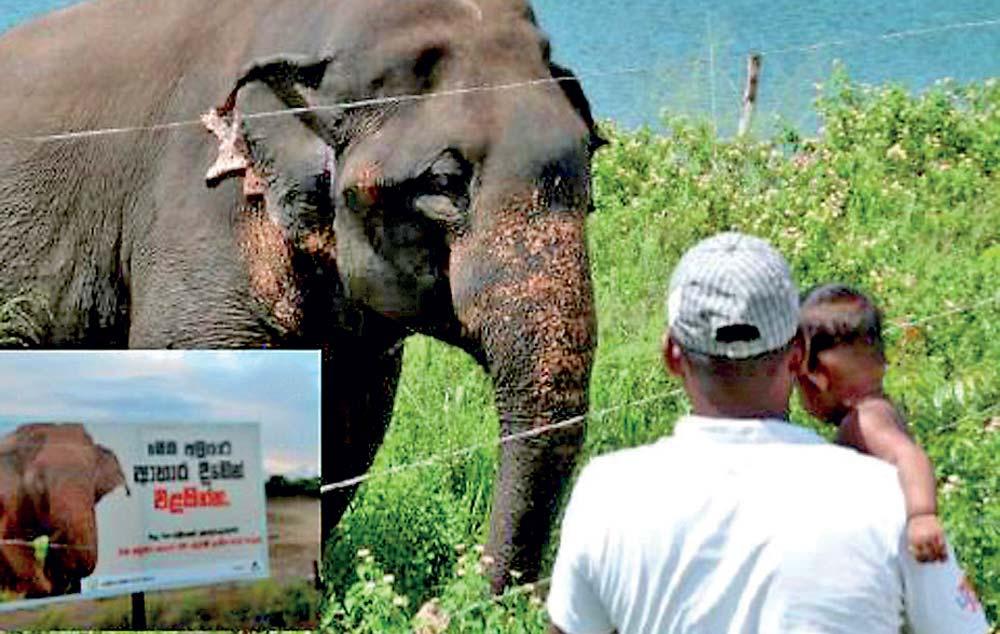
 The chance to see wild Asian elephants is rare. Sri Lanka and India are home to some of the last abundant populations, making them top tourist attractions. Over 2 million visitors came to Sri Lanka in 2024, a post-pandemic record.
Tourism can generate much-needed income for local communities, help finance protected areas and conservation efforts. However, irresponsible behaviour—such as tourists feeding elephants and seeking close encounters for photos—poses serious risks.
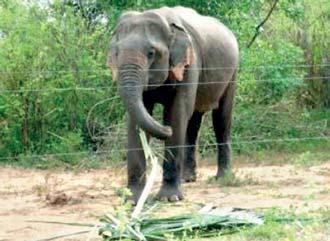
Researchers writing in the journal Ecological Solutions and Evidence, documented 18 years of elephant-tourist interactions at Udawalawe National Park. Sixty six (66) individual male elephants (9–15% of the local male population) were observed “begging” for food at the park’s southern electric fence.
Some elephants, like “Rambo,” were well-known, having solicited food from tourists consistently for more than a decade. However Rambo disappeared in 2023.
“Rambo was a local celebrity,” says lead author Dr. Shermin de Silva, a professor in Ecology, Behavior and Evolution at UC San Diego and Founder of the conservation nonprofit Trunks & Leaves Inc. “His story shows how rare behaviours, initially exhibited by just one animal, can really take off in a population. Unfortunately, this can result in problems for both elephants and people.”
At the Nilgiri Biosphere Reserve in India’s Sigur region, 11 male elephants fed by tourists faced similar fates; four died from suspected human causes.
Some, like “Rivaldo,” were successfully rehabilitated after authorities intervened post-pandemic. The study points out that naturally calm and innovative individuals are most likely to become targets of feeding attempts and risk becoming dependent on these food sources.
Let’s take a look at the risks to wildlife and people.
Elephants have become habituated to electric fences and sugary food, sometimes breaking through to reach crops outside reserves. At least three elephants were killed along the Udawalawe National Park
boundary; others ingested plastic bags and contaminants handed to them by tourists. Several people have also been injured or killed by elephants at the Park’s southern boundary in recent years.
Close contact also increases the risk of disease transmission to these endangered animals.
“Many people, especially foreign tourists, think Asian elephants are tame and docile, like domestic pets. They don’t realise these are formidable wild animals and try to get too close, which can end badly for both parties,” says Dr. de Silva.
The study also cautions that becoming dependent on sugary and highly nutritious human-derived food sources can cause these wild animals to lose interest in their natural foods, potentially leading them into greater conflict with people.
Recognising the danger, wildlife authorities in the Sigur region have cracked down more heavily on tour operators and lodges that encourage people to feed elephants.
What can be done? The authors urge tourists, local guides, and authorities to practice and enforce responsible wildlife tourism:
*Do not feed wild elephants or other animals.
*Maintain a respectful distance and avoid close contact.
*Support conservation efforts that prioritize both wildlife and community wellbeing.
(Learn how to engage in Ethical Elephant Experiences and take the pledge (Link: https://www.trunksnleaves.org/tourism.html#wild)
11 Jun 2026 5 hours ago
11 Jun 2026 5 hours ago
11 Jun 2026 5 hours ago
11 Jun 2026 6 hours ago
11 Jun 2026 6 hours ago