20 Dec 2025 - {{hitsCtrl.values.hits}}
 The real panic does not come from the cost of the device itself, but from the terrifying question: What happens to everything inside it?
The problem is that most people dial *#06# to find their IMEI only after the phone has vanished. By then, the key to blocking the device is gone
Smartphones are deeply tied to a single cloud account. Losing access to those credentials can mean losing control over the phone entirely
 In an era where the smartphone serves as wallet, diary, and identity, the split-second loss of a device triggers a crisis far beyond hardware costs. Experts warn that the “digital nightmare” of identity theft is often facilitated by user negligence. From recording the vital IMEI number to reclaiming control over linked email accounts, proactive security is now the only barrier to total privacy collapse.
It usually happens in a split second. A phone slips from a pocket in a crowded bus, is forgotten on a café table, or disappears during a moment of distraction. The real panic does not come from the cost of the device itself, but from the terrifying question that follows: What happens to everything inside it? Photos, banking apps, emails, private messages and even digital identities can fall into the wrong hands. As mobile phones become inseparable from daily life, experts warn that preparing before a phone is lost is just as important as reacting after it happens.
One of the most critical yet overlooked steps is knowing your phone’s IMEI number. This unique 15-digit code is the key identifier used by police, mobile operators and regulators when a phone is reported stolen or lost. Without it, tracing or blocking a device becomes far more difficult. Retrieving the IMEI is simple: dial *#06# on your phone and the number will instantly appear on the screen. The problem is that most people do this only after the phone has vanished. Cybersecurity specialists strongly advise writing the IMEI number in a diary, saving it in a secure cloud account, or keeping it with important documents at home.
Another major weakness for many users is their lack of access to the email account linked to the phone. Smartphones today are deeply tied to a single Google (Gmail) or iCloud account, which controls everything from app downloads to location tracking. In many cases, especially when phones are purchased from retail outlets, shop assistants create the email account and password during setup. Months or years later, users often have no idea what credentials were used. When the phone goes missing, this becomes a nightmare, as that account is the only gateway to tracking, locking or erasing the device remotely. Experts recommend checking your phone today to confirm the email address in use, resetting the password if necessary, and storing the details securely. These services are provided by Google and Apple, and losing access to them can mean losing control over the phone entirely.
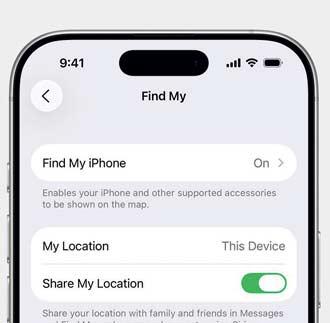
Modern smartphones also come with powerful tracking tools that are useless if they are not activated in advance. Android users should ensure Find My Device is switched on, while Apple users must keep Find My iPhone enabled. These features, combined with active Location Services, allow owners to see the phone’s last known location on a map, make it ring even on silent mode, lock it remotely, or wipe all data if recovery seems impossible. However, these options only work if they are turned on before the phone is lost. Once a thief disables them, the chances of recovery drop sharply.
While digital tools are vital, basic physical security still matters. A surprising number of users rely on simple swipe locks or no lock at all, leaving their phones wide open to misuse. Setting a strong password, PIN, pattern or fingerprint lock can buy valuable time. Even a few extra minutes can be enough to log in from another device and secure the phone remotely. Biometric locks, such as fingerprints or facial recognition, are particularly effective in preventing immediate access.
Another emerging safeguard is the use of e-SIM technology. Unlike traditional SIM cards, an e-SIM is embedded within the phone and cannot be physically removed. This prevents thieves from instantly cutting off network access by pulling out the SIM card. As long as the phone remains connected to the internet, tracking features continue to function, significantly increasing the chances of locating the device.
Security experts also highlight a lesser-known but highly effective setting: preventing a phone from being switched off without authentication. Many modern phones allow users to require a password, fingerprint or pattern before powering down. If a thief cannot turn the phone off, it stays online longer, sending location signals and giving owners a wider window to act.
Authorities and technology professionals agree on one key message: preparation is everything. Losing a phone is often sudden and stressful, leaving little time to think clearly. Taking a few minutes now to check settings, record important information and strengthen security can make the difference between a temporary inconvenience and a devastating loss of data, money and privacy. In an age where a mobile phone is a wallet, diary, office and photo album rolled into one, safeguarding it is no longer optional—it is essential.
07 Jun 2026 2 minute ago
07 Jun 2026 1 hours ago
07 Jun 2026 1 hours ago
07 Jun 2026 2 hours ago
07 Jun 2026 2 hours ago