27 Jul 2026 - {{hitsCtrl.values.hits}}
By Darshana Sanjeewa Balasuriya
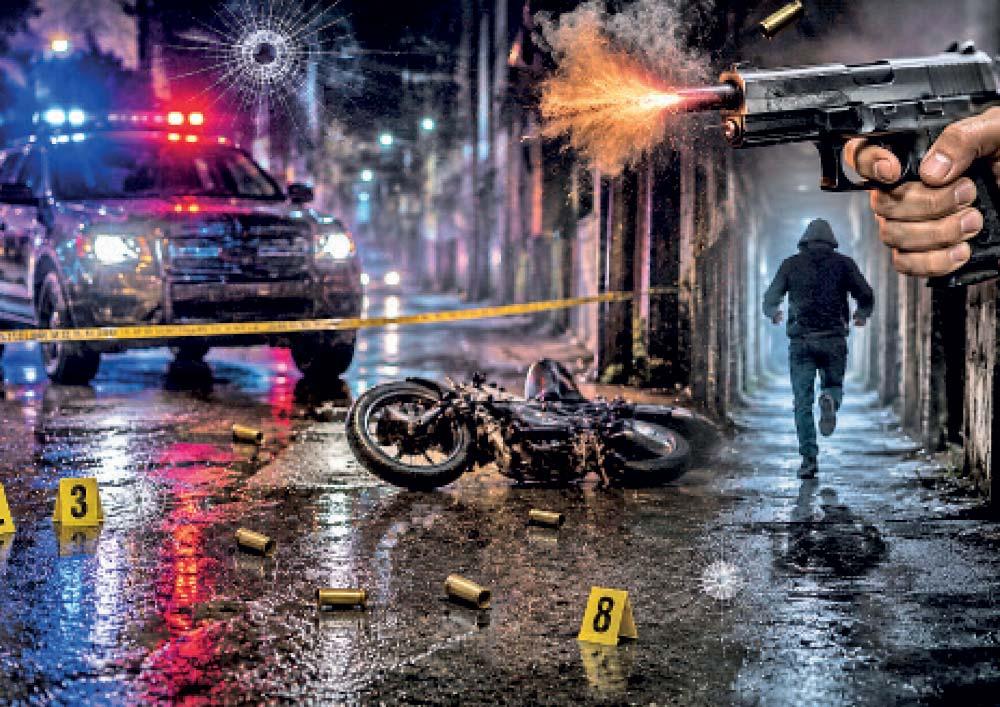
Sri Lanka has recorded 22 shooting incidents so far this year, leaving 15 people dead and 12 others injured. Nearly half of these incidents, 10 in total, were reported within the two-week period between July 11 and July 25.
The 10 shootings during this period claimed three lives and left five people injured. The incidents have ranged from targeted killings and attacks linked to organized criminal groups. Several other incidents resulted in property damage or targeted individuals without causing casualties. Police have made a number of arrests in connection with the shootings, while investigations into the remaining cases are continuing.
Meanwhile, Sri Lanka Police have attributed the recent spate of shootings across the country to rival drug trafficking networks, saying the attacks are primarily driven by organized criminal disputes, contract killings, and attempts to intimidate rival groups.
Responding to questions about the ten shootings reported over the past two weeks, including the latest incident on Saturday, Police Spokesman Assistant Superintendent of Police (ASP) F.U. Wootler said every incident investigated so far has shown links to organized crime and the illegal drug trade.
According to the Police Spokesman, the shootings are largely the result of rival criminal groups attempting to eliminate competitors, settle financial disputes, and prevent opposing gangs from expanding their influence.
He said that many of the individuals believed to be orchestrating the attacks are currently operating from overseas, while the intended victims are often relatives or associates of rival gang members. Such attacks, he said, are carried out to intimidate opponents and send a message to competing criminal networks.
ASP Wootler said the Sri Lanka Police, under the direct guidance of the Inspector General of Police, have intensified intelligence operations, including telephone and communications analysis, to identify those responsible for planning and carrying out the attacks.
Referring to the fatal shooting in Bellanwila on July 25, he said that police arrested two suspects within an hour of the incident. According to investigators, one of those arrested is believed to be the gunman while the other allegedly rode the motorcycle used in the attack. Police also found evidence indicating that both suspects were heavily addicted to narcotics.
The Police Spokesman further revealed that investigators are increasingly finding that drugs, rather than cash, are being used as payment for contract killings. He said some suspects are allegedly willing to carry out murders in exchange for small quantities of narcotics.
Explaining why shootings appear to occur in clusters after relatively quiet periods, ASP Wootler said criminal groups wait until they have located their intended targets and identified opportunities when police presence is limited before carrying out attacks.
He acknowledged that it is impossible to deploy police officers at every location but said law enforcement agencies continue to rely on intelligence-led operations to prevent violent crime. He said that police will continue to take strict action against organized criminal groups and those involved in drug-related violence.
27 Jul 2026 3 hours ago
27 Jul 2026 5 hours ago
27 Jul 2026 5 hours ago
27 Jul 2026 5 hours ago
27 Jul 2026 5 hours ago