30 May 2025 - {{hitsCtrl.values.hits}}
Lisbon and Portugal frequently receive accolades as the best city and country to emigrate to in Europe. In numerous surveys, factors such as value for money, education, happiness, weather, hospitality, medical care, and overall quality of life consistently keep Lisbon at the top of the rankings.
 My first visit to Lisbon was to invest in a coffee company. The second time, I visited with my best friend's wife. Long story. The third visit was with Jezzabel, my wife. We quickly learned that hotels are packed in October, that June to August can be unbearably hot, and that November and December mark the rainy season. This city welcomes nearly nine million visitors annually, the local population is six hundred thousand, resulting in a significant presence of foreign workers. The Intercontinental Hotel is well positioned, the staff are extremely friendly, and the spacious bedrooms are a pleasant surprise.
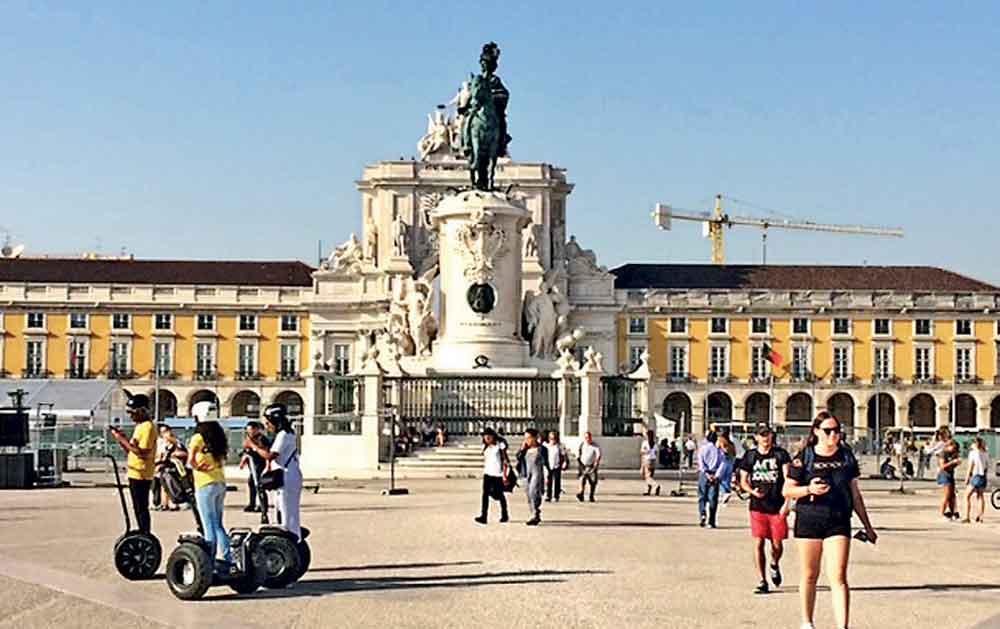
The walk down to town is quite quick and the tree-lined boulevards lead to the massive square of São Sebastião. At the first restaurant in the second square, my passion for Vinho Verde wine and seafood paella is reignited. But when in Lisbon, always start with the sardines. When I receive the bill, it seems remarkably cheap, until I realize there are two separate bills, one for wine and one for food. This strange practice repeats itself throughout the trip. You may know why.
Lisbon has a thriving nightlife, so we set off to explore the local scene. We are dropped off near a pedestrian alley in Bairro Alto, where there is an Irish pub on one corner and another around the next, just to be sure. One of my many random travel rules is to never pass an Irish pub, always go in. I have plenty of experience with them, many of which you'll find in my travel books.
As is the hallmark of most Irish pubs, this one features live music, and as soon as Jezzabel arrives, the dancing starts. We move on and pass a double open doorway in one of the city's many alleyways. Once again, live music. It is another Irish pub. This city attracts so many young travellers, it is like watching a street fashion show. As we wander through the alleys, we find ourselves at a dead end, dominated by a large tavern with over eighty tables outside on the uneven ground. Two traditionally dressed musicians and a singer entertain the impromptu crowd. There is not a seat available outside, so we enter the restaurant, where there is nobody inside and no furniture, it is all outside. We order beers and have a great night out.
A tram journey through the city feels like the best way to start the day in this maritime city, once the capital of a vast empire. We begin at Castelo de São Jorge, dating back to Roman times but central to the city since 1255.
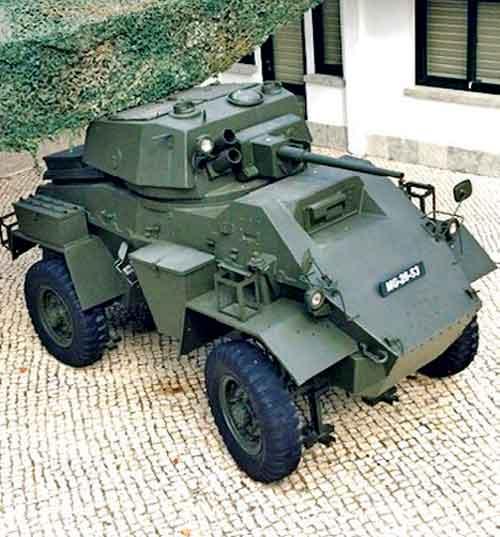
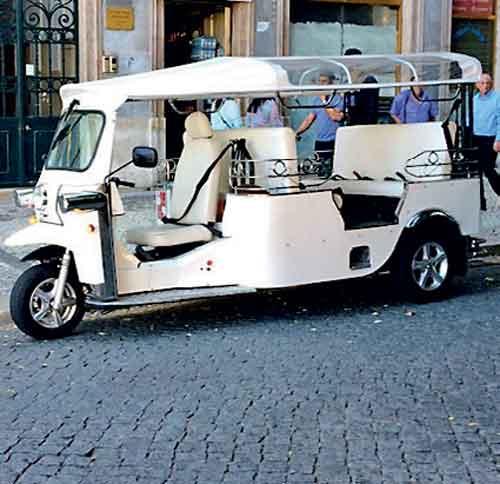
The city feels larger than its actual population, but getting around is easy with taxis, trams, and even flashy customized trishaws. Lots to see including a military museum. Jezzabel and I vow that if we ever move back to Europe, it will be to Lisbon...
Then we take the infamous Tram 28, packed ironically, like sardines. We manage to find seats but also encounter various body parts from other travellers uncomfortably close. The conductor announces, “Be aware of pickpockets,” and the tram hurtles off. If you were to be pickpocketed, there would be little you could do unless you caught the thief in the act.
We are on the red route, which offers a close-up view of the city's southern side. Every turn reveals a visual feast; beautiful squares, churches, statues, fountains, coffee shops, and open-air restaurants.
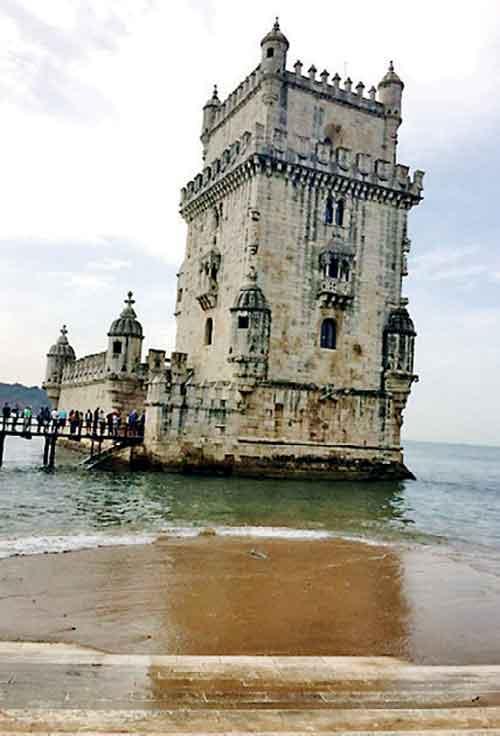
The walk to the impressive Monastery of Jerónimos is not challenging, but I have some slow walkers with me. We visit the city’s most symbolic monument, the Belém Tower, dating back to 1514. Nearby is the departure point where ships once set sail to establish and maintain Portuguese colonies.
Portugal held colonial interests in Africa, South America, and parts of Asia and even attempted to colonize Canada. Trump wasn’t the first . Trade was not limited to ivory, pepper, cotton, sugar, and slaves.
Having lived in Sri Lanka, I consider that the Portuguese were not the most benevolent colonial power. They took more than they gave. When we find the Pastéis de Belém café, dating back to 1837, we, along with many others seek coffee and the famous custard cream tarts.
Across the road stands the Monument to the Discoveries, an impressive homage to navigation and conquest. As a taphophile, I am eager to explore the area commemorating those who have fallen in battle, serving in NATO and various global conflicts, all centred in the sea-fronted fort museum.
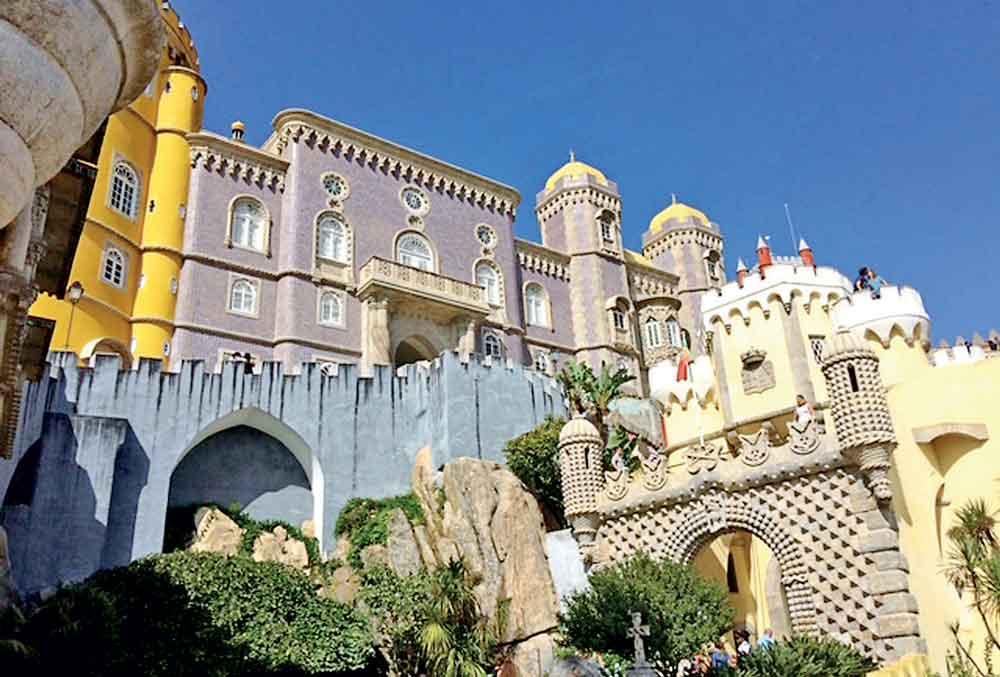
The next day, we clamber into a Mercedes taxi and set off for Sintra, a UNESCO World Heritage site in the mountains, across a long bridge, and about an hour from the city. Castles, palaces, and stunning views
Lisbon is considered by many to be Europe’s most diverse and culturally rich city, boasting excellent weather, superb food and wine, and some of the lowest prices in Europe. The city feels larger than its actual population, but getting around is easy with taxis, trams, and even flashy customized trishaws. Lots to see including a military museum. Jezzabel and I vow that if we ever move back to Europe, it will be to Lisbon.
26 Jun 2026 17 minute ago
26 Jun 2026 49 minute ago
26 Jun 2026 1 hours ago
26 Jun 2026 2 hours ago
26 Jun 2026 2 hours ago