27 Apr 2026 - {{hitsCtrl.values.hits}}
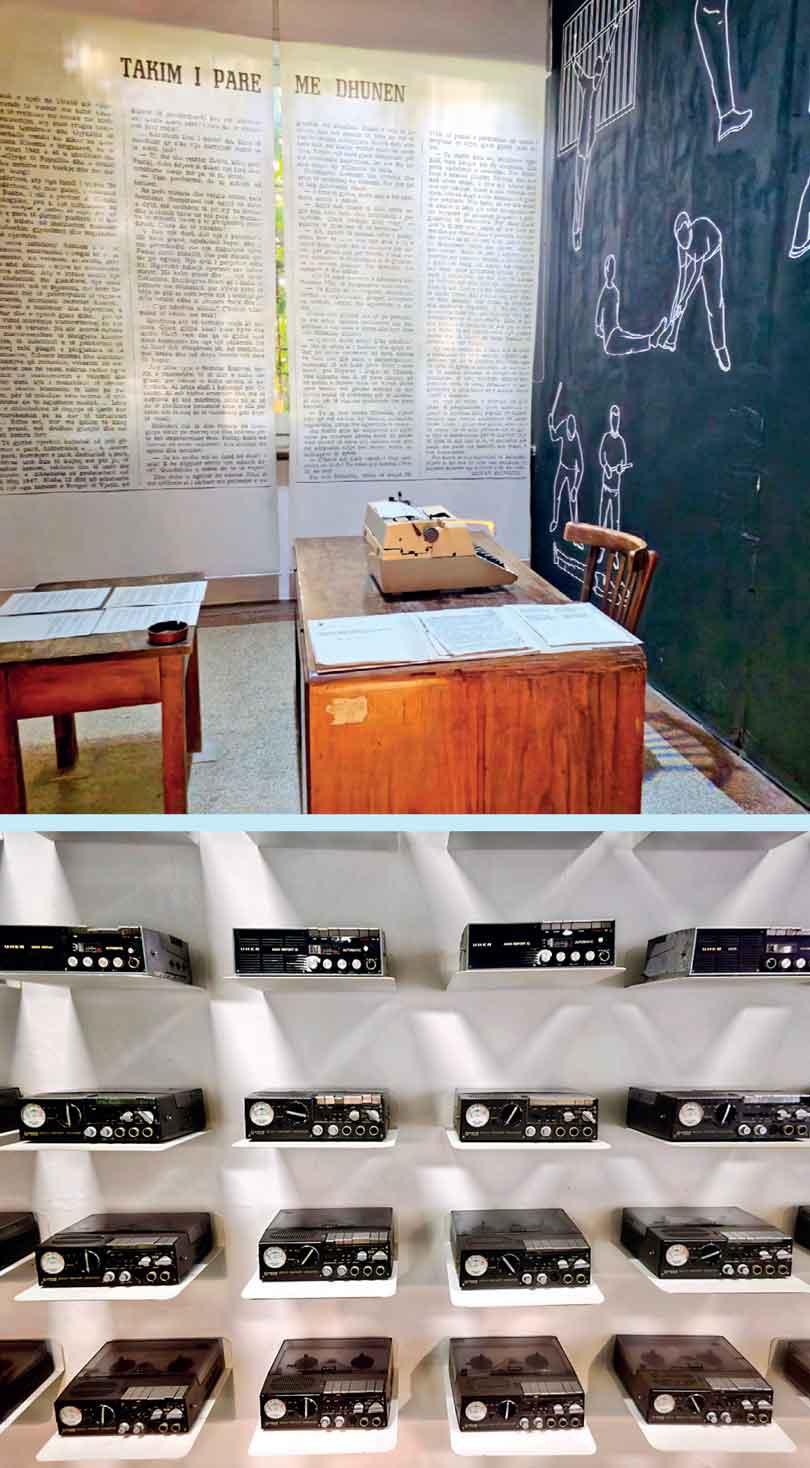
In some rooms, audio recordings play softly, recreating the sense of constant surveillance. In others, personal testimonies bring to life the emotional toll of living under such scrutiny. It’s immersive without being theatrical, and that restraint makes it all the more powerful.
 A week’s break from work necessitated a quick getaway, and recently Albania has been appearing more and more on my radar as a place to visit. With direct flights to Tirana from London, it was a no-brainer to explore Tirana, the capital of Albania—once dubbed the “North Korea of Europe” due to decades of isolation under the communist rule of Enver Hoxha. Today, however, Tirana feels worlds apart from that reputation. It is friendly on the wallet, vibrant, and filled with all the hallmarks of an up-and-coming European city.
As always, the first activity I engaged in after a restful night was a Guru free walking tour, booked via GuruWalk. These tours are not only informative and educational, but they also help you get your bearings—particularly useful when you’re exploring a new city alone. Wandering through Tirana’s colourful streets with a knowledgeable guide gave me a layered understanding of the city, from its Ottoman roots to its communist past and its energetic present.
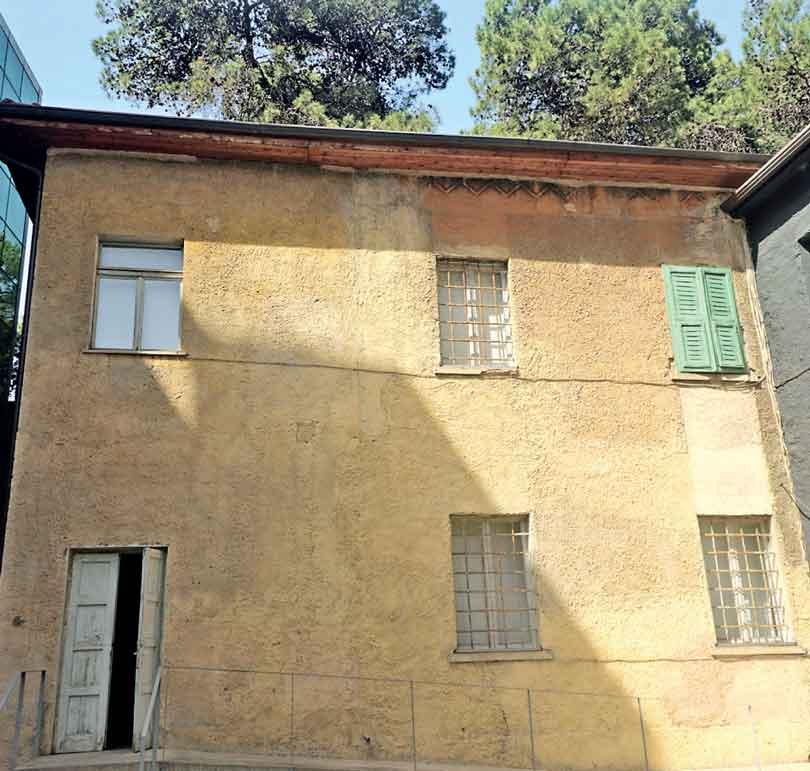
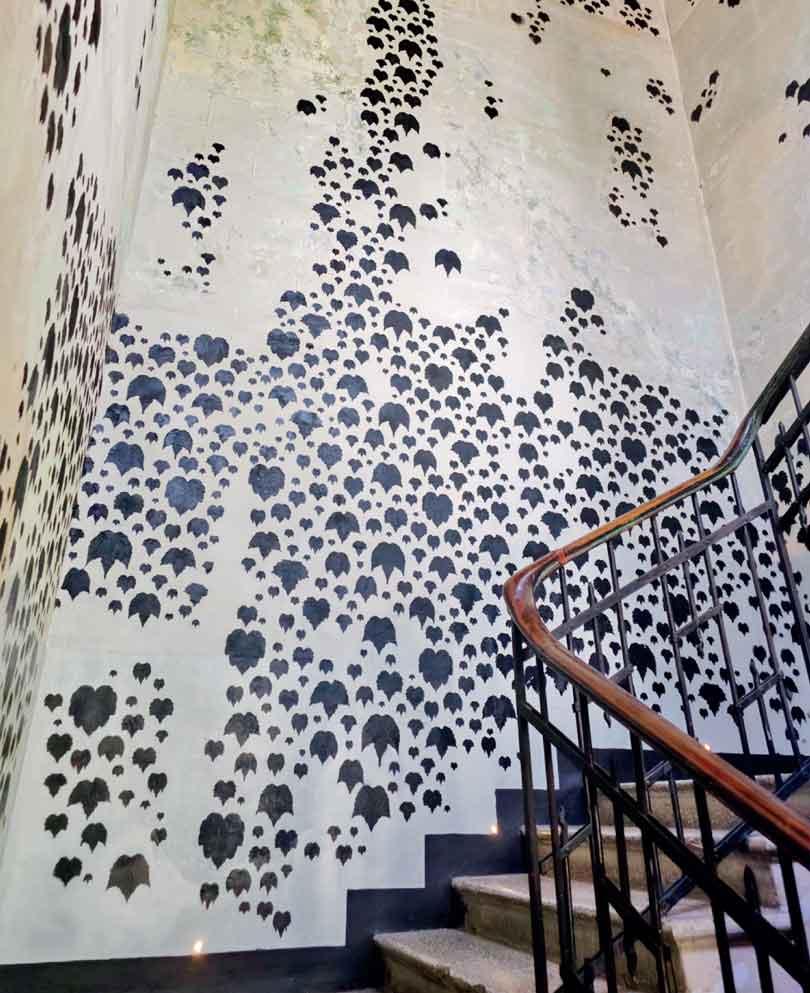
One stop that stood out—both during the tour and later when we returned was the remarkable House of Leaves. At first glance, it’s easy to miss. The building sits quietly behind a veil of climbing plants, its modest façade giving little away. Yet this unassuming villa holds some of the most powerful stories in the city. My travel partner and husband were intrigued by this attraction.
Stepping inside, we quickly realised this was not going to be a typical museum visit. The House of Leaves, officially known as the Museum of Secret Surveillance, offers an intimate and often chilling insight into Albania’s communist past. Originally built in 1931, the building has served many purposes—first as a clinic, then as a headquarters for surveillance operations during both World War II and the communist era. For decades, it was the nerve centre of the Sigurimi, the regime’s secret police.
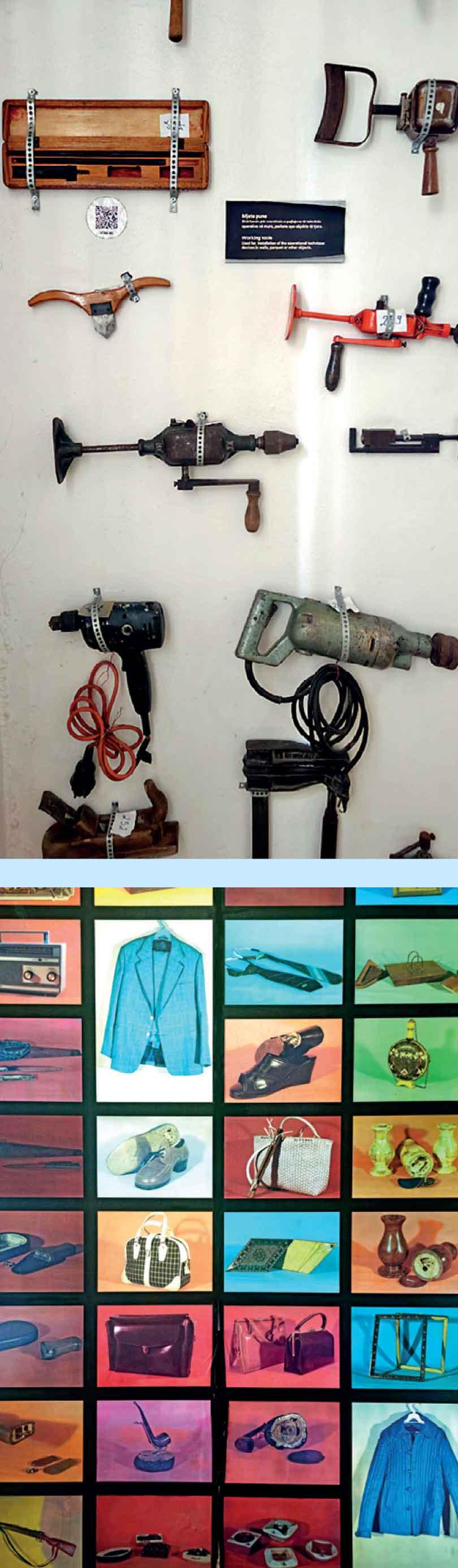
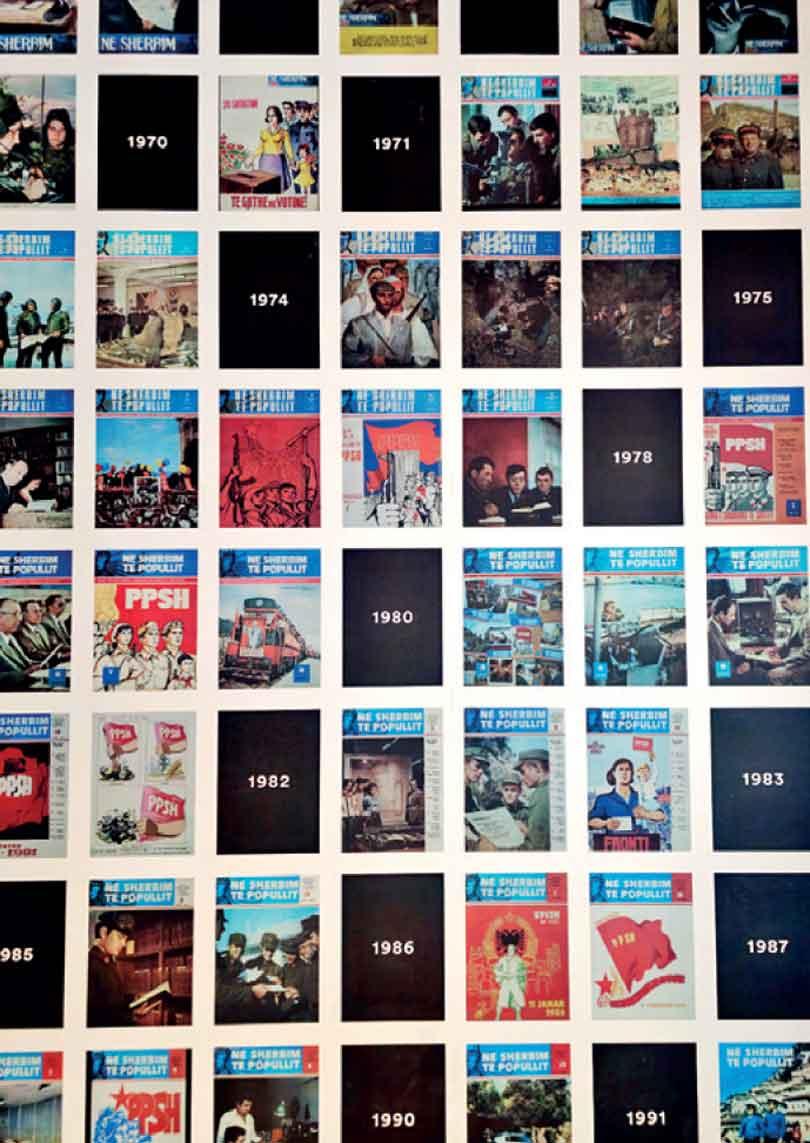
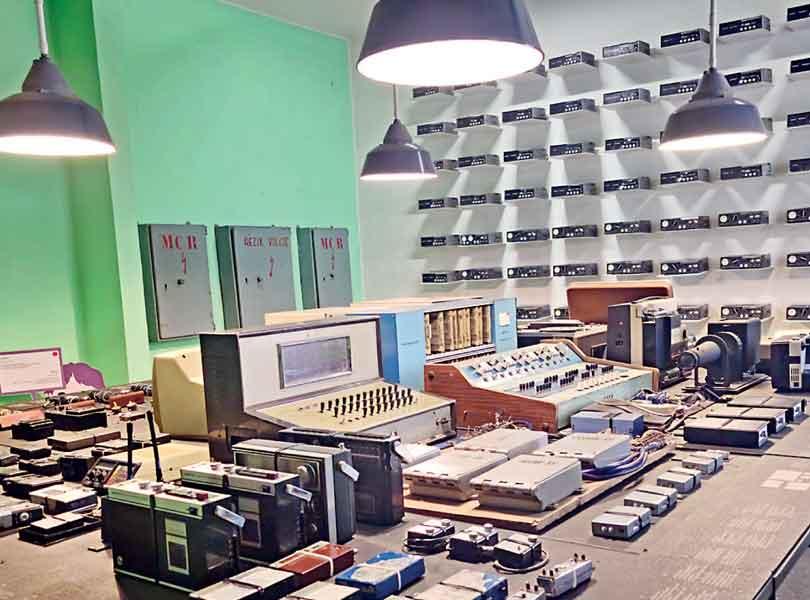
Walking through its corridors felt like peeling back layers of history. Each room revealed something new—rows of files, listening devices, photographs, and records of intercepted communications. The exhibits are spread across multiple rooms, and rather than overwhelming you with information, they draw you in slowly, allowing the weight of each story to settle.
What struck me most was the deeply human side of the experience. Yes, the technology was primitive by today’s standards nonetheless it was fascinating, but it was the stories behind it that lingered. Ordinary citizens had their lives monitored in extraordinary detail. Conversations were recorded, letters opened, and trust eroded. The idea that even neighbours could act as informants created an atmosphere of quiet paranoia that is hard to imagine today.
In some rooms, audio recordings play softly, recreating the sense of constant surveillance. In others, personal testimonies bring to life the emotional toll of living under such scrutiny. It’s immersive without being theatrical, and that restraint makes it all the more powerful.
Returning to the streets of Tirana afterwards felt like stepping back into light after a long shadow. The contrast between the city’s lively cafés, colourful buildings, and youthful energy and the sombre history housed within the House of Leaves is striking. It’s a reminder of how far Albania has come in a relatively short time.
Tirana itself is wonderfully walkable, and its affordability makes it especially appealing. From bustling squares to quirky cafés and art-filled public spaces, there’s a sense of creativity and reinvention everywhere you turn. Yet places like the House of Leaves ensure that the past is not forgotten. Instead, it is acknowledged, examined, and woven into the city’s evolving identity.
For me, visiting the House of Leaves was not just about ticking off another attraction. It was about understanding the context of a country that is often overlooked, yet deeply compelling. It added depth to my experience of Tirana, transforming it from simply an attractive destination into a place with stories that demand to be heard.
The House of Leaves is more than just a museum; it is an essential part of any visit to Tirana, offering insight not only into Albania’s past, but also into its resilient and hopeful present.
01 Jul 2026 20 minute ago
01 Jul 2026 2 hours ago
01 Jul 2026 2 hours ago
01 Jul 2026 2 hours ago
01 Jul 2026 2 hours ago