24 Feb 2025 - {{hitsCtrl.values.hits}}
 The case of Mustafa Amir, a 23-year-old who was kidnapped and murdered, has been making headlines in Karachi. Mustafa went missing on January 6, 2025, after leaving his home in the Defence Housing Authority (DHA) area.
According to reports, Mustafa was killed on the first day of his kidnapping, and his body was later found in a torched car. The case has faced several challenges, including initial delays in the investigation. Mustafa's family has accused the police of negligence and focusing on defaming Mustafa instead of finding him. The Sindh High Court had to intervene and order the exhumation of Mustafa's body for a post-mortem and DNA analysis, indicating a lack of thoroughness in the initial investigation. The suspects managed to flee the city, which further complicated the investigation and raised questions about the effectiveness of the police's efforts to apprehend them.
Street crimes in Karachi have been on the rise, with incidents of armed robbery, assault, and mugging becoming increasingly common. According to recent reports, street crimes have claimed numerous lives and instilled fear among the city's residents. In 2024 alone, at least 104 people were killed during street crimes. These crimes include armed robberies, muggings, and car thefts, often involving firearms. Karachi has transformed into a hub for criminal elements. The city leads all other districts in Sindh regarding reported crimes, accounting for 67.5% of the total reported incidents in the province. Car thefts and snatchings have become rampant in the city.
According to a report by the Australian Institute of International Affairs, "the underbelly of Karachi is fraught with numerous anti-social and criminal activities. The city has recently had to deal with an increase in street crime, burglaries, narcotic-related offenses, run-ins with law enforcers, and targeted killings. In this city, street criminals function with complete impunity, preying on people in broad daylight near banks, traffic intersections, and in busy marketplaces."
The report cites the Citizens-Police Liaison Committee, which reported as many as 22,627 crimes in the first three months of 2024. Over 65,000 street crime incidents were reported by November 2024. This includes 47,874 vehicle-related thefts (7,605 motorcycles snatched and 38,394 stolen) and 17,952 mobile phones snatched. There were 105 fatalities and 375 injuries due to street crimes, with robbers opening fire on citizens resisting robberies.
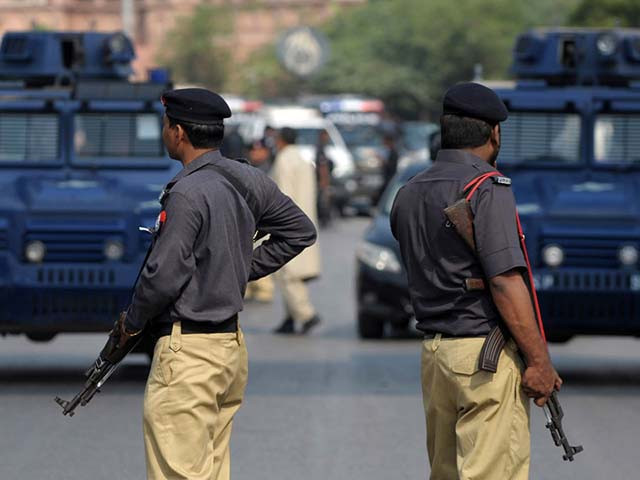
The police have faced significant criticism for their handling of these crimes. There have been accusations of negligence, lack of coordination, and even corruption within the force. For instance, the Sindh High Court recently directed law enforcement agencies to launch a crackdown on criminals and their facilitators to curb street crime.
The Muttahida Qaumi Movement-Pakistan (MQM-P) has criticized the Sindh government for failing to take action against armed gangs and street criminals. The party leaders also expressed anger over the "bandit rule" in rural Sindh, where highways are closed after sunset to keep motorists safe from armed robbers. In April 2024, the MQM-P leaders presented a "charge sheet" against the PPP government and Sindh police, blaming them for their "failure and incompetence." "So we strongly believe that the federal government must take decisive action to curb the bloodshed and restore peace in Karachi. And there's a need for the Rangers to be granted equal powers throughout the province."
Despite efforts to curb crime, including investments in law enforcement and modern weaponry, the city continues to struggle with maintaining public safety. The police's failure to effectively address the rising street crime has contributed to a sense of helplessness among Karachi's citizens. Despite the high number of thefts, recovery rates remain low, with only 1,500 motorcycles, 220 cars, and 120 mobile phones successfully recovered.
Adding to its ineptitude in dealing with the surging crime in the metropolis are the allegations of fake encounters against the Karachi police. There have been multiple cases registered against police officers for allegedly staging fake encounters. For example, a case was registered in Orangi Town where three policemen were accused of killing a young man in a fake encounter.
The impact on the community has been profound, with families of victims demanding justice and better protection from the authorities. The fear and trauma experienced by residents highlight the urgent need for effective measures to address the root causes of violence and improve law enforcement capabilities.
28 Jun 2026 4 hours ago
28 Jun 2026 6 hours ago
28 Jun 2026 6 hours ago
28 Jun 2026 7 hours ago