22 May 2026 - {{hitsCtrl.values.hits}}
The April print shows that Sri Lanka’s inflationary pressure is no longer being driven only by food prices, but increasingly by non-food items tied to energy and services
Sri Lanka’s national consumer prices accelerated in April as the full impact of higher fuel, electricity and transport costs filtered through the economy, pushing inflation closer to levels not seen in several months.
Headline inflation, measured by the National Consumer Price Index, rose to 4.7 percent year-on-year (YoY) in April from 2.4 percent in March, according to the Department of Census and Statistics (DCS). The all-items NCPI rose to 216.3 in April from 210.9 in March, marking a 2.54 percent month-on-month increase.
The April print shows that Sri Lanka’s inflationary pressure is no longer being driven only by food prices, but increasingly by non-food items tied to energy and services. Non-food inflation jumped to 7.8 percent YoY in April from 3.8 percent in March, while food inflation rose only modestly to 1.1 percent from 0.7 percent.
On a YoY basis, non-food items contributed 4.26 percentage points to headline inflation, far outweighing the 0.50 percentage point contribution from food. Transport was the largest driver, contributing 1.69 percentage points, followed by housing, water, electricity, gas and other fuels at 1.26 percentage points.
The month-on-month increase was also led by non-food prices, which contributed 2.08 percentage points to the overall 2.54 percent rise. Transport alone contributed 0.98 percentage points, reflecting higher petrol, diesel and bus fares, while housing, water, electricity, gas and other fuels contributed 0.64 percentage points, driven by electricity bills, LP gas, kerosene and maintenance materials.
The national data mirrors the Colombo price trend, where headline inflation rose to 5.4 percent in April from 2.2 percent in March. The Central Bank said Colombo inflation accelerated due to spillovers from the ongoing Middle East conflict, particularly the sharp upward adjustments in domestic energy prices.
The energy-led inflation build-up follows fuel price increases and electricity tariff revisions linked to higher global energy costs and Sri Lanka’s cost-reflective pricing commitments under the IMF programme.
Sri Lanka raised electricity tariffs from April, while fuel prices had also been increased sharply to curb energy demand and reflect higher import costs.
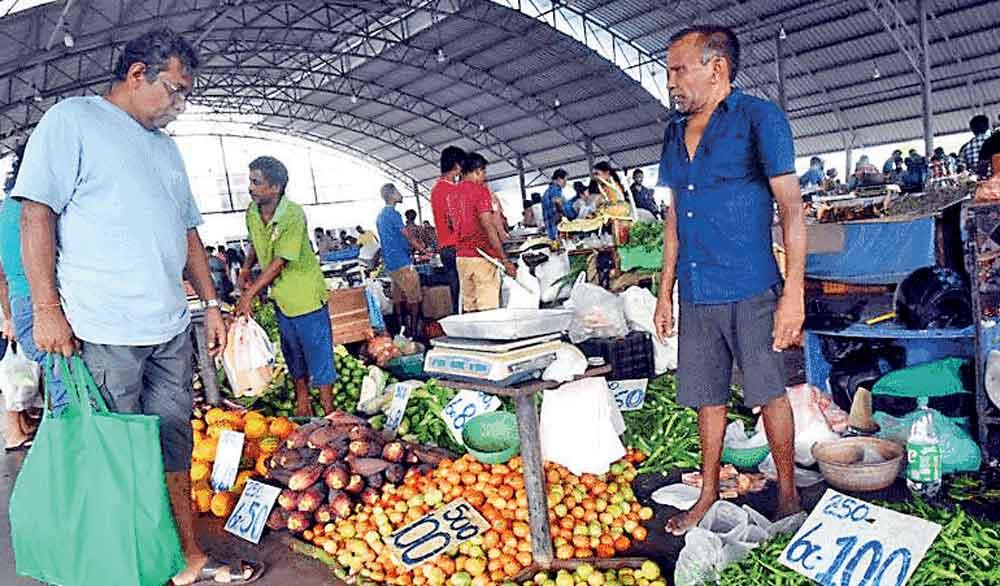
Food prices remained relatively contained, but the basket showed increases in fresh fish, coconut oil, chicken, dhal and dried fish. These were partly offset by lower prices of vegetables, green chillies, coconuts, big onions, fresh fruits and potatoes.
07 Jul 2026 6 minute ago
07 Jul 2026 8 minute ago
07 Jul 2026 14 minute ago
07 Jul 2026 17 minute ago
07 Jul 2026 26 minute ago