18 Dec 2025 - {{hitsCtrl.values.hits}}
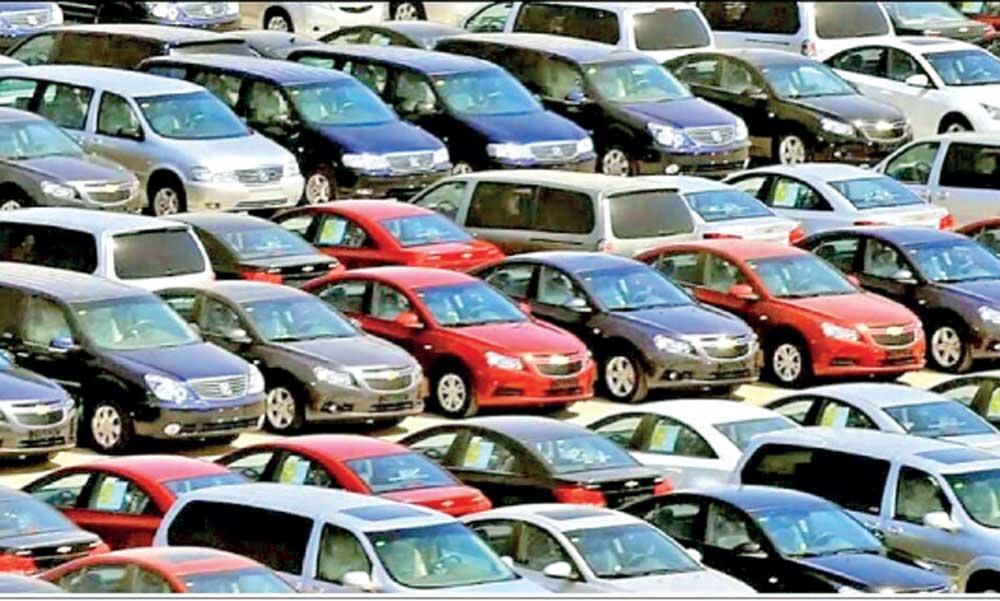
The number of vehicles registered with the Motor Vehicles Department in November slid to 43,810 units, from 48,081 units in October.
This is as the sharply higher demand seen during the initial months of reopening vehicle imports is fizzling while people will have to put up higher upfront payments for the vehicles they now want to purchase from November onwards.
With the November data, Sri Lanka has seen 311,592 vehicles being registered in the first 11 months. This is the most in the history of the country, a vehicle registration summary compiled by JB Securities said.
Out of this of course were the two-wheelers, which declined to 29,961 units in November, from 32,890 units in October.
The three-wheelers meanwhile saw 2,423 units being registered in November, from 2,550 units in October.
Motor car registrations were however slightly up at 3,691 units in November, from 3,653 units in October.
Out of that, brand-new motor car registrations were at 781 units, marginally down from 836 units in October.
“The sub-category was led by a new Chinese entrant, BAW, distributed by Browns, which recorded 323 units. Almost all of these were BAW E7, contributing 321 units. E7 is a budget-oriented small car equipped with a 25-kW motor and an 18.72 kWh slow charging battery - the car is expected to have a 200 km range, priced from Rs.4.7 million,” said JB Securities Managing Director Murtaza Jafferjee.
“Whether it can emerge as a credible Maruti Alto challenger remains an open question, with active debate continuing across social media platforms,” he added.
Jafferjee, in his monthly commentary, proposed that purchasing a high-end vehicle could help the government to collect more to the Rebuilding Sri Lanka relief fund, than directly contributing to the fund.
“Purchasing a high-end vehicle effectively serves two objectives in one move: acquiring a new vehicle while transferring a large sum to the Treasury,” he said.
“Between 50 and 65 percent of a vehicle’s street price consists of taxes. Money is fungible, so whether funds reach the state via an explicit donation or through vehicle taxes makes little practical difference; the fiscal outcome is the same. If 1,000 high-net-worth individuals, who have not yet spent do so by purchasing vehicles priced above Rs.50 million, the government would collect roughly Rs.30 billion in tax revenue. The associated balance-of-payments impact, around Rs.20 billion (US $ 65 million), spread over four months would be modest.
This period coincides with the tourism high season and strong seasonal remittance inflows around Christmas, Eid and the Sinhala and Tamil New Year, which would help offset the outflow,” he added.
20 Jun 2026 2 hours ago
19 Jun 2026 6 hours ago
19 Jun 2026 7 hours ago
19 Jun 2026 8 hours ago
19 Jun 2026 19 Jun 2026