11 Nov 2022 - {{hitsCtrl.values.hits}}
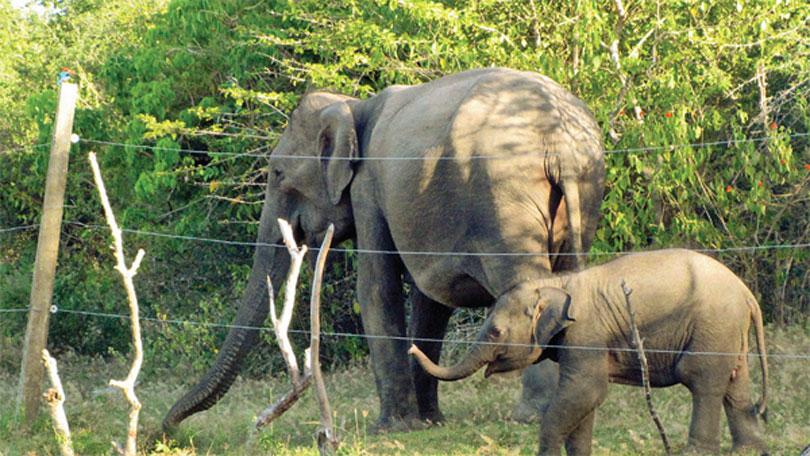
Every government that was in power intended to solve the human-elephant conflict the way to protect humans, not the elephants, former Director General of the Department of Wildlife Conservation (DWC) Dr. Sumith Pilapitiya said.
He told the media that plans to manage human-elephant conflict were initiated in 1949, and since then we are still implementing them.
During the past 70 years, we have been trying to keep the elephants to forest-conserved areas through the elephant corridors. If the plan had worked out the way it had been drawn, the human-elephant conflict should have been minimal now.
The number of human deaths had increased over the past ten years, as has the number of elephant deaths. There is an issue with the concept that we are trying to solve in terms of the human-elephant conflict.
"When we were trying to keep elephants in wildlife conservation areas, we put up 70% of the electric fences between wildlife conservation and forest conservation lands," he explained.
Elephants are in the Wildlife Conservation Lands unable to pass through the Forest Conservation Lands, so the areas where they are roaming were shrunk, and they move to human habitats and cultivation areas in search of food.
If we think from an elephant's point of view, food is on both sides of the fence. How does an elephant know that their living areas were bounded by fences and that they should not cross over? If we do this properly, we should erect electric fences on the boundaries where the elephants can see them. The boundary that the elephant perceives is the boundary of the ecosystem. "The electric fences should be erected around the areas where people need to be protected but not around the forest conservation," the former DG said.
Usually, elephants do not attack humans. People die due to their foolishness. People who live in elephant habitats must take responsibility. Most people die as a result of intoxication or while attempting heroic feats, and this is not the fault of the animals.
The DWC's mission is to protect and serve elephants, not humans. DWC cannot take responsibility for the deaths of humans in elephant attack.
With the current economic crisis, the DWC is lacking funds and facilities. There is a dearth of wildlife officers. As the community, we should fulfil our responsibilities.
Meanwhile, the former Director General stated that no development project in the country can progress without the services provided by biodiversity and ecosystems.
He said every development project is sustained by biodiversity and ecosystems. If we conduct programs that harm biodiversity, it will be more difficult to continue those projects indefinitely. A country cannot thrive if it cannot look after the safety of its own biodiversity and ecosystem.
According to the IUCN Red List records published in 2007, one invertebrate species for every 12 species is endangered, and in a very critical condition due to poorly planned development projects causing damage to biodiversity, he said.
"If we continue with the unplanned developments that we are engaged in now, it will not be possible to sustain Sri Lanka's development for a long time. It will be a huge issue for future generations. Even though this critical situation was announced in 2007, the government did nothing to change its course. "The government has made very little effort to conserve biodiversity and ecosystems," he said.
"Every government used to talk about conservation in their policy decisions, but there doesn't seem to be any commitment when implementing those policies. DWC, political authority and ministries, the private sector, and the public community all have their own responsibilities for conservation," the former DG reiterated. (Chaturanga Samarawickrama)
06 Jun 2026 2 minute ago
06 Jun 2026 25 minute ago
06 Jun 2026 1 hours ago
06 Jun 2026 6 hours ago
05 Jun 2026 05 Jun 2026