07 Mar 2025 - {{hitsCtrl.values.hits}}
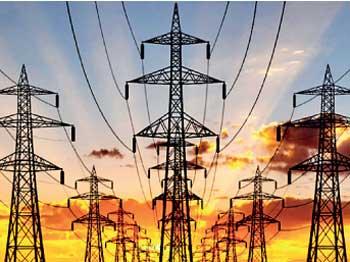 Ceylon Electricity Board (CEB), the state-owned utility provider, managed to report a profit for the three months ending in December 2024 despite revenues decreasing sharply after it cut tariffs twice. But the sharp fall in the finance cost helped the bottom-line despite rising costs.The entity reported a net profit of Rs.1.86 billion for the quarter compared to Rs.80.02 billion in the same period a year ago.CEB recorded revenue of Rs.113.25 billion for the October – December quarter in 2024, down 35 percent from Rs. 174.00 billion reported in the same period a year ago.
The decline in the revenue could be attributed to the twice cut tariff on the electricity in 2024.Direct costs were reported at Rs. 115.76 billion, up 36 percent, resulting in a loss at the gross profit level of Rs.. 2.51 billion. This is in comparison to a massive gross profit of Rs.88.93 billion reported in the same period a year ago.
At the operating level, CEB reported a profit of Rs.28.27 million, sharply down from Rs.100.38 million a year ago.
This was because other incomes and gains were sharply down from Rs.. 21.71 billion to Rs. 12.31 billion in the most recent quarter, while the administrative and other expenses fell by 17 percent to Rs. 11.13 billion.
The company saw the net finance cost turning into a net finance income in the quarter.
For instance, the company reported a net finance income of Rs. 4.12 billion compared to a massive Rs.. 14.77 billion in net finance cost booked in the same period last year.This may potentially come from the ultra-low interest rates at present which lessen what the CEB has to pay for its loans compared to a year ago.Meanwhile, for the year, CEB made profits of Rs.150.51 billion, sharply up from Rs.63.89 billion in the financial yearthat ended in 2023.This was on revenue of Rs.569.04 billion, down 16.0 percent from 2023.
CEB cut tariffs for the third time this year in January by an average of 20 percent.The March quarter results would reflect the impact of the most recent tariff revision and also the impact on costs from the ongoing dry weather spell.
18 Jun 2026 9 minute ago
18 Jun 2026 16 minute ago
18 Jun 2026 18 minute ago
18 Jun 2026 38 minute ago
18 Jun 2026 40 minute ago