Reply To:
Name - Reply Comment
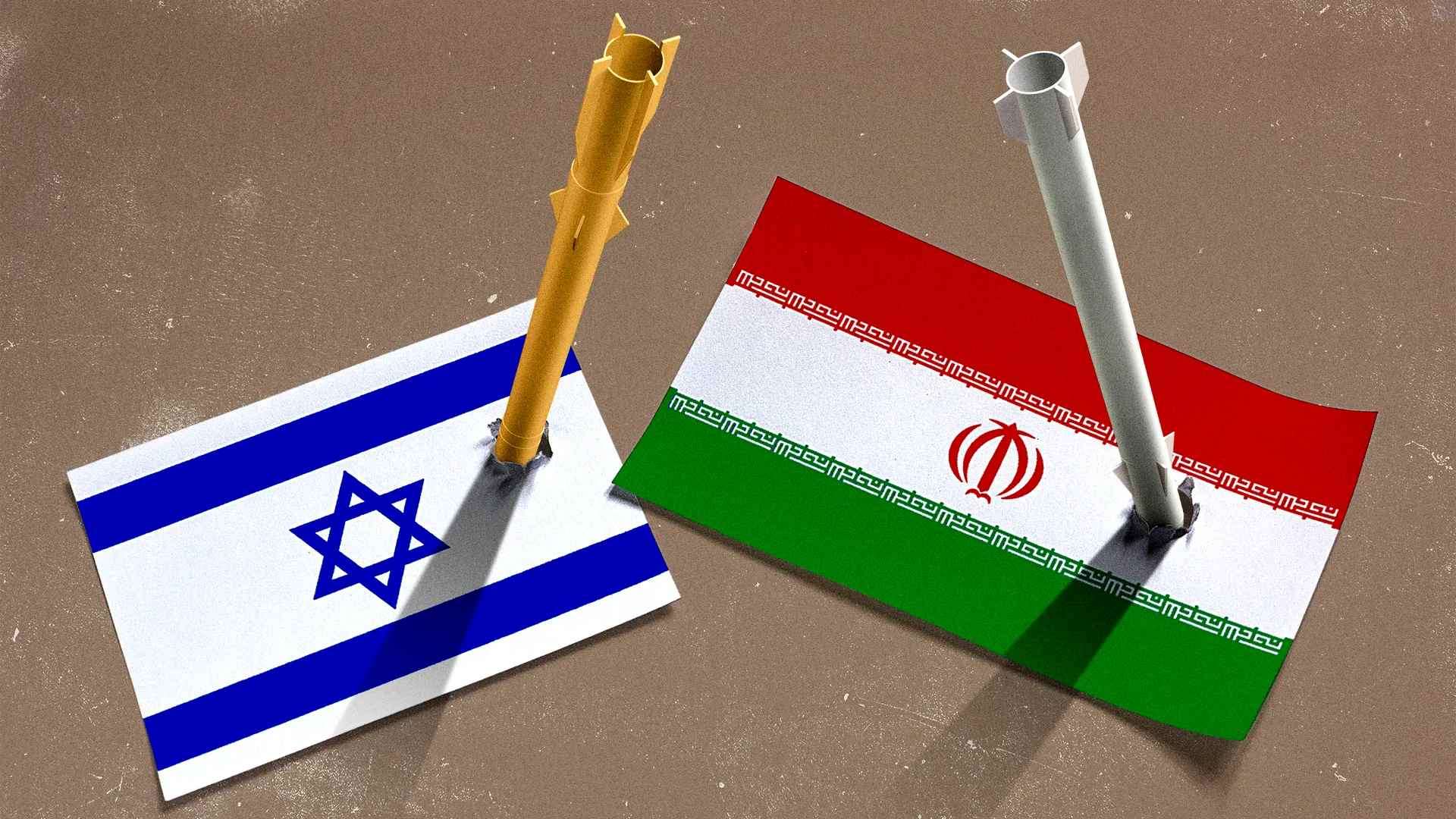
Sri Lanka’s renewed engagement with Russia in the energy sector comes at a moment of considerable uncertainty in global geopolitics and energy markets. With the deadline for sanctions-related waivers for Russian oil approaching on April 12, Sri Lanka finds itself traversing a delicate diplomatic and economic path. The prospect of deeper energy cooperation with Moscow is often presented as a pragmatic response to Sri Lanka’s vulnerability to global fuel shocks. Yet, while the idea carries appeal, the reality looks more complex and constrained. The government projects the move as successful.
Energy security has emerged as a defining challenge for Sri Lanka in recent years. The economic crisis of 2022 exposed the country’s acute dependence on imported petroleum and the fragility of its foreign exchange reserves. Long queues for fuel, disruptions to electricity generation, and broader economic paralysis underscored how vulnerable the island nation is to external energy supply shocks. Since then, successive governments have emphasised the need to diversify energy sources, broaden supplier networks, and build strategic partnerships that can ensure stability in times of crisis.
In this context, Russia appears to be an attractive partner. As one of the world’s largest energy producers, Moscow has historically played a central role in global oil and gas markets. Russian crude has also found buyers across Asia, including India and the Global South, despite the sweeping sanctions imposed by Western countries following the Ukraine conflict.
However, Sri Lanka’s attempt to strengthen energy cooperation with Russia faces structural and diplomatic challenges. One of the immediate constraints is the sanctions regime. There is a waiver of US sanctions. The deadline will end on April 12. Is it possible for Sri Lanka to secure supplies before that? Besides, beyond the sanctions issue lies a more fundamental reality: Russia itself faces constraints in its energy export strategy. While the country remains a major producer, its export flows have been significantly reshaped by geopolitical tensions. European markets that once absorbed large volumes of Russian energy have largely closed, forcing Moscow to redirect supplies towards Asia. Visiting Russian Deputy Foreign Minister Andrey Rodenko said that Sri Lanka is not the only country that seeks Russian oil. It means Russia’s ability to prioritise smaller buyers like Sri Lanka is limited. The reality is that Sri Lanka is not a priority country for Russia.
Another dimension worth reflecting at this juncture is the historical trajectory of Sri Lanka–Russia relations. While the two countries have maintained cordial diplomatic ties over decades, the relationship has not always been characterised by deep economic engagement. Compared with Sri Lanka’s interactions with major Asian partners such as India and China, trade and investment links with Russia have remained relatively modest. In recent years, Sri Lanka made only minimal efforts to develop relations. As a result, diplomatic channels have not been lubricated for smooth engagement over critical matters. It is important to have sustained ties, independent of external pressure.
Russia may well have formed the impression that Sri Lanka hesitated to engage closely in the past out of concern for possible reactions from the United States, and if Colombo approaches Moscow only in times of need rather than through sustained engagement, such overtures may not always be warmly received.
This raises an important question: can energy cooperation be strengthened rapidly without the foundation of broader economic engagement? Effective partnerships in the energy sector typically evolved over time. Attempting to build such a partnership under pressing circumstances may present operational challenges. Of course, from a diplomatic standpoint, Sri Lanka must also maintain a careful balance. As a small state in a complex international environment, the country has traditionally pursued a policy of constructive engagement with all major powers. Sri Lanka should not forget its historical relationship with Russia. Russia needs Sri Lanka to have a long term relationship for oil deals instead of limiting communication in this regard according to the wishes of the United States.
Sri Lanka must recognise that energy security cannot rely on bilateral partnerships alone. Long-term resilience requires structural reforms within the domestic energy sector. Investment in renewable energy, modernisation of the national refinery, improvement of energy efficiency, and diversification of supply chains are essential components of a sustainable strategy. Ultimately, Sri Lanka’s engagement with Russia in the energy sector reflects a broader reality of contemporary geopolitics: the search for stability in an increasingly fragmented global order. For countries like Sri Lanka, dealing with this landscape requires diplomatic agility.
The path towards energy cooperation with Russia is therefore neither straightforward nor guaranteed. Nevertheless, with careful diplomacy and realistic expectations, Sri Lanka can explore avenues of cooperation that contribute to its broader objective of energy security.
What is essential, however, is that such engagement be pursued within a balanced and forward-looking policy framework.