Reply To:
Name - Reply Comment
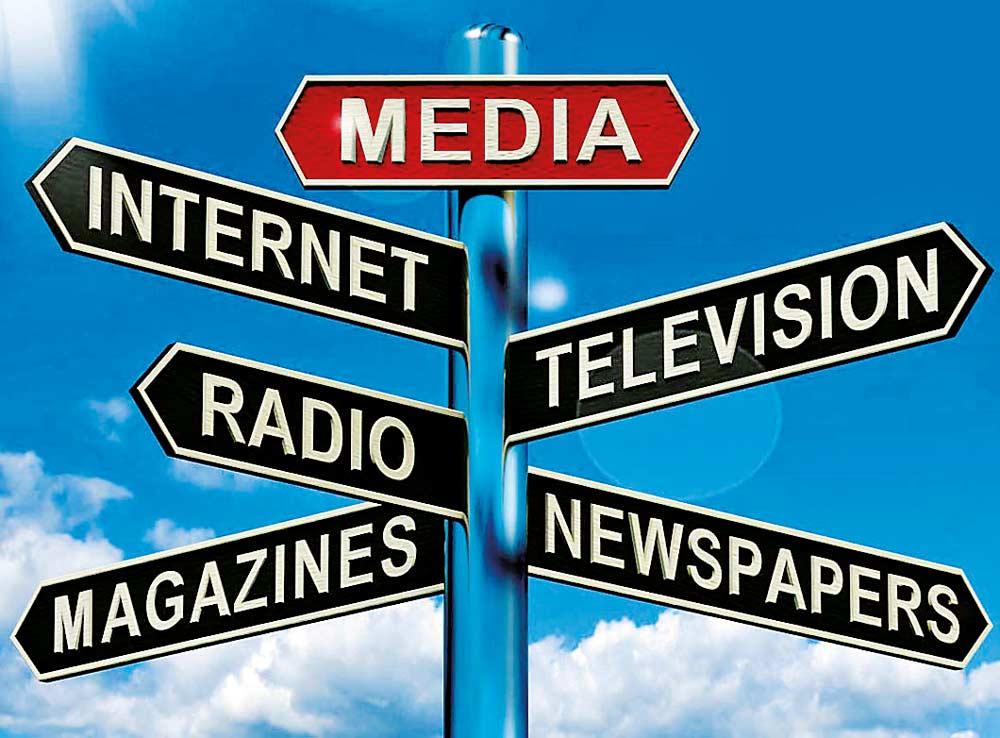
The best way to control the media is to own it
 As of early 2026, there are approximately over 3,000 billionairesworldwide, but the figure given for the European Union (late 2024) is just over 400. Most of them are in Germany (171) the UK (55) and France (52). Total billionaire wealth in the EU reached €2.2 trillion in late 2024, with 69% of that wealth inherited.
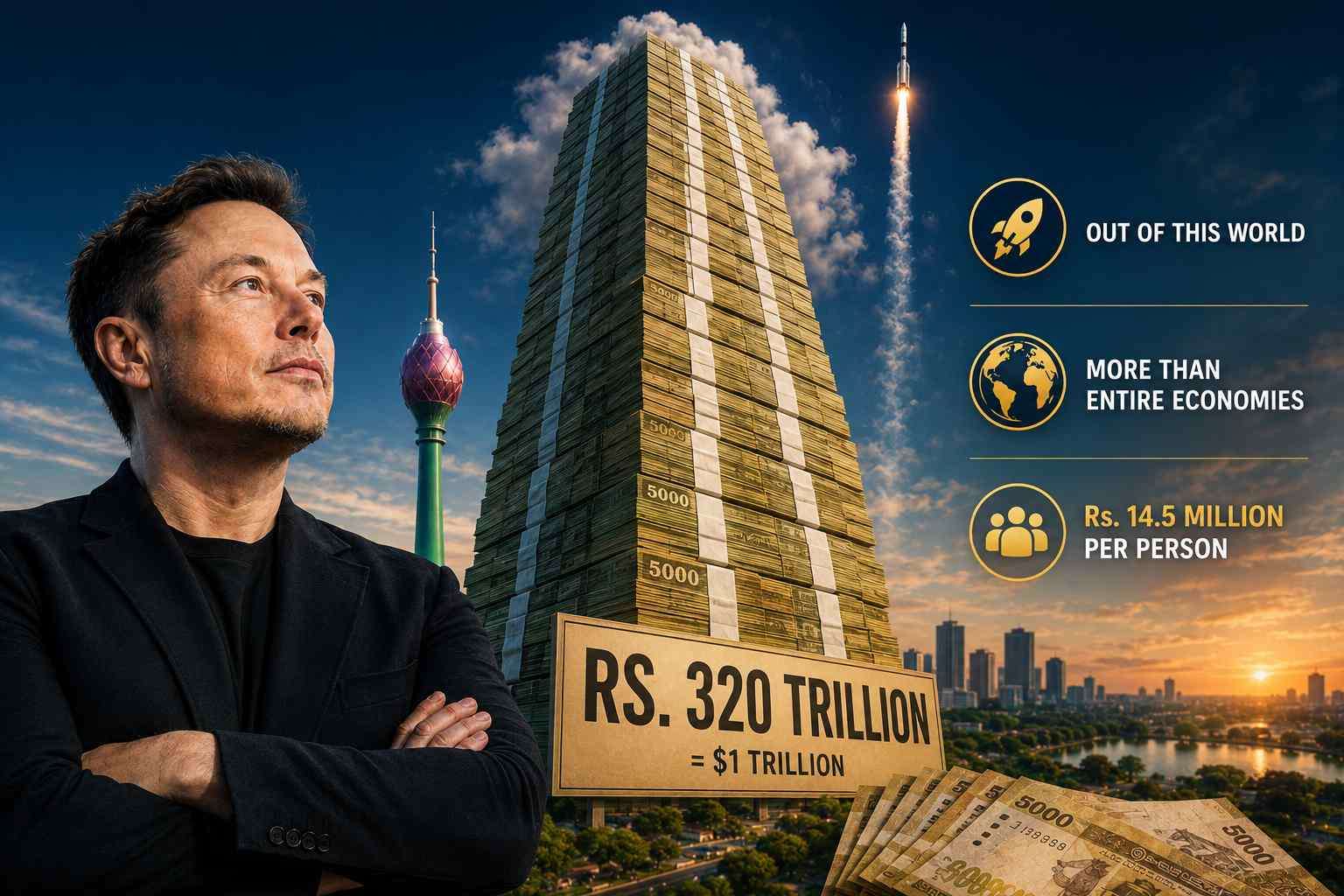
Amitabh Mehta, director of Oxfam, spoke bluntly at the Davos Summit (World Economic Forum) held in Switzerland from Jan. 19-26, pointing at the extremely unequal distributions of wealth seen in the world today. He said that billionaires hold $18.3 trillion – this is more than one third of the combined nominal GDP of the United States and China in 2026 – projected to reach$52.5 trillion this year.
Considering that there were fewer than a dozen billionaires in the world till the 1960s, one can directly relate this explosion of billionaires to the advent of free market economic policies in the mid 1970s, as advocated by the Chicago school of economists
 Trump is a convenient scapegoat to blame – he has opposed climate change, and borrowed from 19th century gunboat imperialism to fashion the world according to his whims. But what may be overlooked is that he is businessman as much as politician – the new Doge or Caesar whose closest friends are billionaires, not senators.
To be fair, Donald Trump did not create this new world order (or disorder). It came out of neoliberal economic policies (a la Milton Friedman) that overwhelmed much of the ‘free’ world since the 1980s – in some cases, much earlier. As usual, Sri Lanka was late to latch on to the latest trends, but embraced free market policies with a vengeance in 1978. Russia, once it unshackled itself from its Communist era empire, followed suit.
But neoliberal policies haven’t been a success story anywhere in the world. While managing to present glossed over statistics on per capita incomes, GDP and the like, they failed everywhere in the most crucial area – to lower the rich-poor gaps. China is the exception, followed by Brazil. But the latter managed this under Inacio Lula Da Silva, a left-wing president who managed a rare combination of economic pragmatism and humanism during his first two terms (2003-2010) characterised by orthodox monetary policies and strong social programmes, lifting 20 million Brazilians out of poverty and achieving 4.5% annual GDP growth.
The other exception is China, where the Communist Party made kept an iron grip on free market policies introduced by Deng Xiaoping, making sure the results were not siphoned off by corrupt officials. During the early years of experimentation, the death penalty was handed out to those found guilty of corruption; the family of the victim had to pay for the bullet.
The Nordic countries in the north of Western Europe have had very good living standards for decades not because of free market economics. Countries such as Sweden and Belgium firmly committed themselves to social welfare after World War II.
As of early 2026, there are approximately over 3,000 billionaires worldwide, but the figure given for the European Union (late 2024) is just over 400. Most of them are in Germany (171) the UK (55) and France (52). Total billionaire wealth in the EU reached €2.2 trillion in late 2024, with 69% of that wealth inherited. According to recent 2025 data, the US (902) and China (450) lead the billionaire list. Russia has 146.
The Middle East has far fewer, but they hold great wealth. As of early 2025/2026, there are 38-39 prominent Arab billionaires in the Middle East and North Africa (MENA) region, with their numbers growing. Saudi Arabia leads with 15-19 billionaires, followed by the UAE (11-24) and Egypt. Nineteen Saudi billionaires alone hold an estimated $81 billion.
Mushrooming billionaires
Considering that there were fewer than a dozen billionaires in the world till the 1960s, one can directly relate this explosion of billionaires to the advent of free market economic policies in the mid 1970s, as advocated by the Chicago school of economists. Their first testing ground was Chile following Gen. Agusto Pinochet’s coup. Chile today has five billionaires while 20% of the population face challenges in health, education and housing.
Amitabh Mehta, director of Oxfam, spoke bluntly at the Davos Summit (World Economic Forum) held in Switzerland from Jan. 19-26, pointing at the extremely unequal distributions of wealth seen in the world today. He said that billionaires hold $18.3 trillion – this is more than one third of the combined nominal GDP of the United States and China in 2026 – projected to reach$52.5 trillion this year. In other words, this wealth is equal to 50% of what is owned by the bottom half of the world’s population of 8.2 billion people.
This inequality is vulgar. Two and half trillion dollars – less than a sixth of the total billionaire wealth – would be enough to eradicate extreme poverty.
The problem is that today’s billionaires want political power, buying political parties, forcing countries to move from democracies to oligarchies. Russia in the post-Soviet era is an example.
Without such stringent measures, neoliberal policies only bred unprecedented corruption among politicians and bureaucrats alike elsewhere. Sri Lanka is a prime example. But the old persistent belief that corruption is endemic in third world countries while the West is somehow proof has been laid bare by Donald Trump.
The US news channel Democracy Now states that, since being elected President, Donald Trump has received more than 16,800 times the median American income, which is around $40,000 as ‘gifts’ or donations from businesses and individuals. If that isn’t corruption, a new word will be needed to describe it. Trump’s net worth is estimated at US$5.1 billion, and he owns a media company.
US presidents come from different professional backgrounds – law, military, politics (senators, foreign service, etc). A few have been businessmen. George Washington ran a whiskey distilling business, but only after leaving the presidency. Jimmy Carter was a peanut farmer before he became president. Donald Trump represents a new type of entrepreneur.
As the industrial revolution got going early in the 19th century, manufacturing was the coveted asset. Those who could afford steam powered machinery, and related industries such as coal mining, had the biggest clout. Today, the power is in digital innovation and the harnessing of views, opinions and images through social media. Bill Gates became a billionaire by offering the tools, paving the way for a new generation of billionaires who made their fortunes using them.
The trouble is that this lot aren’t satisfied with money, or the conventional things that money can buy. They are buying political power. They know the value of controlling media, and the best way to control is to own it. The process is happening now.