Reply To:
Name - Reply Comment
Sri Lankans may soon have to tighten their belts once again. The reintroduction of a QR based fuel distribution system is a clear signal that the government is bracing for turbulence in the global energy market. For many people, the memory of fuel queues in 2022 is still fresh and painful. At that time, the crisis was largely homegrown, the result of years of economic mismanagement that pushed Sri Lanka to the brink of collapse.
This time the situation is different. The pressure is coming from far beyond our shores.
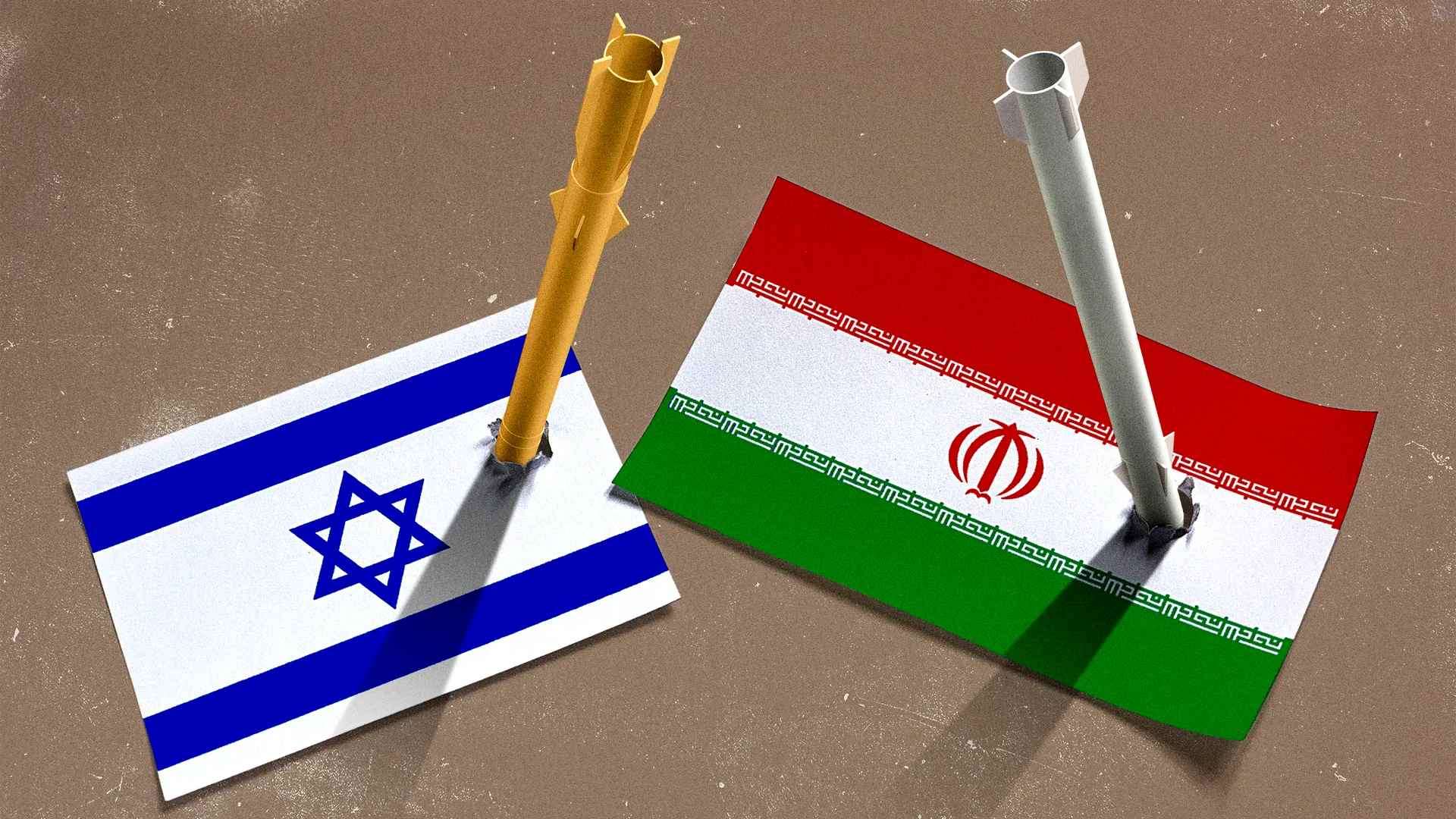
A dangerous escalation in the Middle East involving Iran, Israel and the United States threatens to destabilise one of the most critical energy producing regions in the world. Decisions taken by powerful leaders thousands of miles away have the power to shake economies everywhere. Among those at the centre of the storm are Donald Trump and Benjamin Netanyahu whose aggressive political moves have pushed the region into a dangerous confrontation.
For a small island nation like Sri Lanka, the consequences can be severe. Fuel prices in global markets do not rise in isolation. When tensions flare in the Gulf region, shipping routes become uncertain, insurance costs rise and oil production can be disrupted. Even the fear of instability is enough to drive prices upward. Sri Lanka imports almost all of its fuel requirements. The QR fuel system, which many hoped had been buried with the worst days of the economic crisis, is now making a quiet comeback. Officials say it is a precautionary move to manage supply and prevent panic buying. But for ordinary citizens the message is clear. Hard times could be returning.
The ripple effects go far beyond the petrol station.
Take tourism, for example. Sri Lanka had finally begun to see a steady recovery after years of setbacks from the Easter attacks, the pandemic and the 2022 economic collapse. Airlines were slowly increasing routes. Hotels were beginning to fill again. But when geopolitical tensions explode in the Middle East, air travel costs rise sharply because fuel is one of the largest expenses for airlines.
A family in Europe planning a holiday might suddenly see ticket prices to Sri Lanka jump by several hundred dollars. Many will simply choose a closer destination. For a country that depends heavily on tourism revenue, that decision matters.
Another sector that could feel the shock is the tea industry. Sri Lankan tea has long had strong markets in Middle Eastern countries. If the region is destabilised by war or economic uncertainty, consumer demand weakens. The same risk applies to Sri Lanka’s garment exports which rely heavily on global retail markets.
Agriculture too will not escape the impact. Farmers rely on fuel for machinery, transport and irrigation. When diesel prices climb, the cost of producing food rises. Eventually that cost lands on the dinner tables of ordinary Sri Lankans. Anyone who lived through 2022 knows how quickly these pressures can build -- increase in fuel prices, transportation costs, followed by food prices. The tragedy is that this chain reaction often begins with political decisions made by leaders who will never experience the consequences faced by ordinary people around the world.
When powerful figures like Donald Trump and Benjamin Netanyahu choose confrontation over diplomacy, the fallout is not limited to their own countries. It reaches far beyond their borders. A fisherman in Negombo, a farmer in Anuradhapura or a hotel worker in Galle worrying about fewer tourists are all indirectly affected by decisions made in distant capitals.
Leadership carries enormous responsibility. History repeatedly shows that wars and aggressive foreign policies rarely remain confined to the countries involved. Sri Lanka knows this reality all too well. Our economy is fragile. After defaulting on debt and negotiating painful reforms with international lenders, the country has only just begun to regain some balance. Foreign reserves are still limited.
If oil prices surge for a prolonged period, Sri Lanka could once again face a difficult balancing act. The government would have to decide whether to absorb the cost through subsidies, or pass it on to consumers. Neither option is easy.
If world leaders acted with restraint and responsibility, the global economy would be far more stable. And when chaos spreads in the Middle East, the shockwaves travel quickly. They reach the ports, markets and households of countries like Sri Lanka.
For Sri Lankans the message today is simple and sobering. Brace yourselves. The world’s conflicts rarely stay far away for long.