Reply To:
Name - Reply Comment
 Take agriculture. Once the backbone of the Sri Lankan economy, it has been reduced to a sector that struggles for attention Take agriculture. Once the backbone of the Sri Lankan economy, it has been reduced to a sector that struggles for attention |
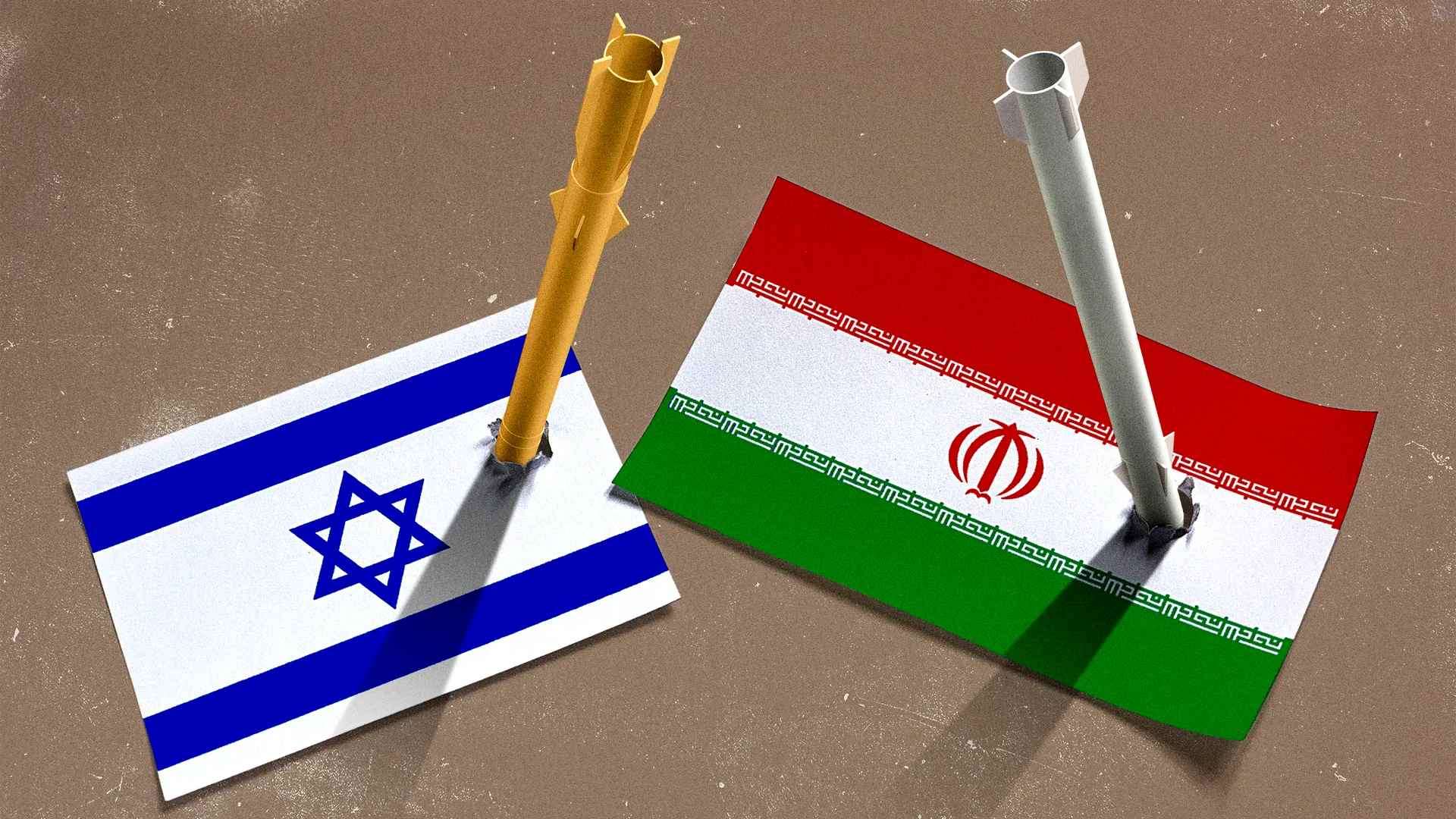
As tensions rise in the Middle East and global uncertainty becomes the new normal, Sri Lanka once again finds itself watching events unfold with a sense of helplessness. A conflict thousands of miles away begins to push up fuel prices. Shipping routes become uncertain. The cost of living creeps up. And as always, it is the ordinary citizen who feels the pressure first.
This is not new. It is a pattern we have lived through time and again. Every global crisis, whether it is a war, a pandemic, or an economic shock, exposes the same weakness. Sri Lanka is far too dependent on the rest of the world to survive. For decades, we have relied on imports to meet even our most basic needs. We import fuel, food, medicine, and even items that we have the capacity to produce ourselves. It is often said, almost in disbelief, that Sri Lanka imports a significant portion of its fish despite being an island surrounded by the ocean. The problem is not a lack of resources. It is a lack of consistent vision and political will.
Take agriculture. Once the backbone of the Sri Lankan economy, it has been reduced to a sector that struggles for attention. Farmers face unpredictable policies, rising costs, and limited support. Instead of strengthening local production, we continue to import large quantities of food. When global supply chains are disrupted, prices shoot up and shortages follow.
The tea industry tells a similar story. Ceylon tea remains one of the most recognised brands in the world, yet the sector has not been modernised to its full potential. Productivity remains uneven, and value addition is limited. The garment sector has shown resilience over the years, especially during difficult periods. It remains one of the country’s largest sources of export income. But even here, there is room for growth. Moving up the value chain, investing in technology, and expanding into new markets should be priorities. Instead, the industry often finds itself navigating policy uncertainty and global competition without a strong national strategy to support it.
Then there is the IT sector, often described as Sri Lanka’s gateway to the future. It has grown steadily and shown promise, particularly among young entrepreneurs and professionals. Yet, it continues to operate below its true potential. Infrastructure gaps, brain drain, and a lack of targeted incentives have slowed its progress.
Perhaps the most frustrating example is oil exploration. Successive governments have spoken about the potential of offshore oil and gas reserves. Announcements have been made, plans have been drawn up, and expectations have been raised. Yet, little has materialised. What ties all these sectors together is a deeper issue. Sri Lanka has not done enough to build confidence among its own investors. Local businesses often face more obstacles than encouragement. Policy changes are frequent and unpredictable. Long term planning takes a back seat to short term political gains.
As a result, the country continues to look outward for solutions. Loans from international institutions, imports from foreign markets, and aid from friendly nations have become the default response to every crisis. The real strength of a nation lies in its ability to stand on its own feet. This does not mean isolating ourselves from the world. It means building a strong domestic foundation so that we are not shaken every time there is trouble elsewhere.
Imagine a Sri Lanka where local agriculture meets most of the country’s food needs. Where the fishing industry is modernised and efficient. Where tea is not just exported as a raw product but as a premium global brand. Where garments are known not just for volume but for innovation. Where the IT sector becomes a major source of foreign income. And where energy needs are at least partially met through local resources. This is not an unrealistic vision. It is a practical necessity. The current global tensions should serve as a wake up call. The world is becoming more unpredictable. Wars and conflicts are no longer distant events with limited impact. They are deeply interconnected with our daily lives.
Sri Lanka cannot control what happens in the Middle East or any other part of the world. But it can control how prepared it is to face those challenges. If we fail to do so, the next global crisis will once again leave us scrambling. And once again, the people of this country will be left to bear the consequences of inaction.
Sri Lanka has the resources, the talent, and the opportunity. What it needs now is the will to act.