Reply To:
Name - Reply Comment
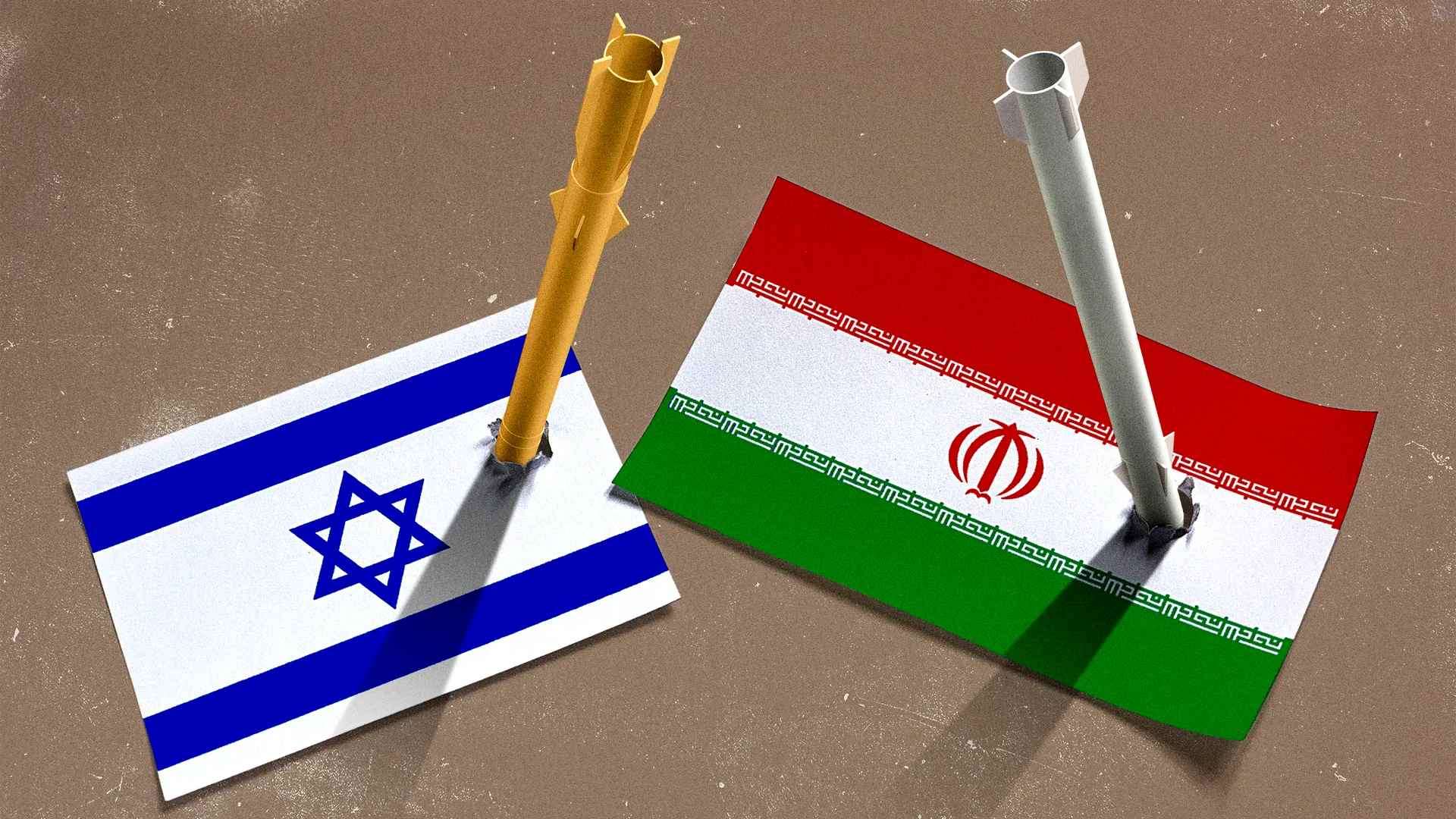
The world is still witnessing a dangerous escalation of conflict in the Middle East. The confrontation involving major global powers and regional actors has pushed the international system into a phase of deep uncertainty. Oil prices have surged, global shipping routes face disruption, and financial markets are reacting nervously. For countries like Sri Lanka—still recovering from an unprecedented economic crisis—the implications are far from abstract. They are immediate and tangible.
Sri Lanka has little room for strategic miscalculations at this juncture. The country depends almost entirely on imported fuel and remains heavily exposed to external shocks. Tourism, remittances, shipping, and trade flows — all critical sources of foreign exchange — are vulnerable whenever geopolitical tensions escalate. Therefore, the question confronting Sri Lanka is not ideological but practical: how should a small, economically fragile state navigate a world dominated by power politics?
The answer lies in strict and consistent neutrality.
Neutrality is not passivity. It is a deliberate strategic posture that allows a country to safeguard its national interests without becoming entangled in the rivalries of larger powers. For Sri Lanka, located at the crossroads of the Indian Ocean and situated along some of the busiest maritime trade routes in the world, maintaining such balance is particularly vital.
Historically, Sri Lanka has benefited from a foreign policy approach that avoided alignment with competing power blocs. During the Cold War era, the country played an active role in the Non-Aligned Movement, working alongside other developing nations to maintain independence in foreign policy decision-making. That philosophy remains relevant today, perhaps more than ever.
The current geopolitical environment is characterised by intensifying competition between global powers. The United States, China, Russia, India and the European Union all have strategic interests in the Indian Ocean region. Sri Lanka, because of its geographical location, inevitably attracts attention from these actors. However, aligning too closely with any one side risks alienating others and undermining the delicate diplomatic balance required for economic survival.
Immediate priority is economic survival
Sri Lanka’s immediate priority should be economic stability. The country is currently operating under an IMF-supported reform programme, attempting to rebuild foreign reserves, restructure debt and restore investor confidence. Any perception that Sri Lanka is taking sides in geopolitical conflicts could have unintended economic consequences—from trade disruptions to reduced investment flows.
Moreover, neutrality allows Sri Lanka to maintain constructive relations with all partners. The country relies on energy imports from the Middle East, development financing from China, trade and investment ties with India, and access to Western markets. In such a complex network of economic relationships, foreign policy cannot afford ideological rigidity.
There is also a security dimension to consider. Sri Lanka sits along vital sea lanes through which a significant portion of global oil and merchandise trade passes. If geopolitical rivalries spill into the Indian Ocean, the island could find itself caught in the strategic calculations of larger powers. Maintaining neutrality reduces the risk of becoming a theatre of geopolitical contestation.
At the same time, neutrality should not mean silence on matters of principle. Sri Lanka can — and should — advocate for diplomacy, de-escalation and adherence to international law. Promoting peaceful resolution of conflicts is consistent with the country’s longstanding diplomatic tradition.
In practical terms, neutrality requires careful diplomacy. Sri Lanka must engage with all sides while avoiding actions that could be interpreted as strategic alignment. Transparency in port access, maritime activities and security cooperation will also be essential to prevent misunderstandings among competing powers.
The government must also recognise that neutrality needs to be supported by domestic resilience. Energy security, food security and diversified trade partnerships are critical buffers against external shocks. Without strengthening these fundamentals, neutrality alone cannot shield the country from global turbulence.
The unfolding crisis in the Middle East is a reminder that the international system is becoming increasingly unpredictable. For small states, survival depends on strategic prudence rather than power projection. Sri Lanka cannot influence the course of great power conflicts. But it can control how it positions itself within them.
In an era of intensifying geopolitical rivalries, neutrality is not merely a diplomatic preference for Sri Lanka. It is a strategic necessity.