Reply To:
Name - Reply Comment
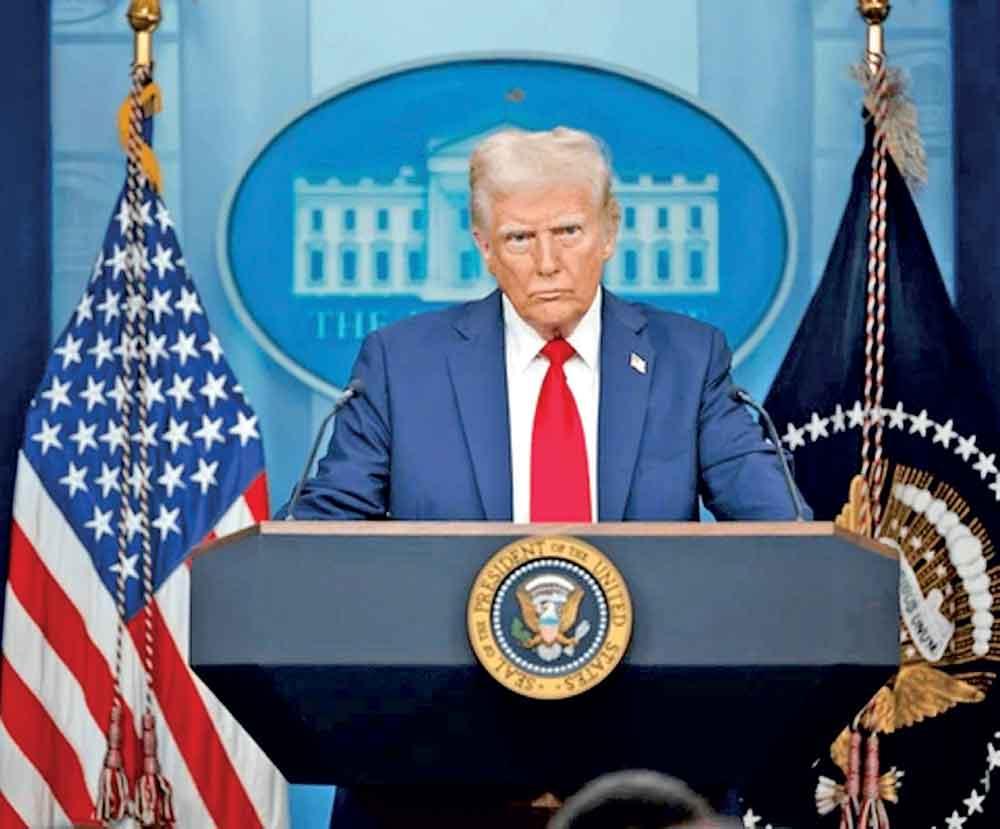
There is no clear evidence that the Central Intelligence Agency or U.S. military intelligence have “let down” Donald Trump
 The central idea is that China’s ‘silence’ is not weakness but strategy: letting geopolitical rivals exhaust themselves while it strengthens economic ties and influence
At the centre of the conflict is the Strait of Hormuz, which remains severely disrupted. Shipping through this vital route, responsible for roughly one-fifth of global oil supply, has slowed dramatically, if not halted in some areas
It is also common, particularly in times of pressure, for political narratives to shift blame toward institutions such as intelligence agencies. This has occurred under multiple U.S. administrations, not only during Trump’s time
 Tehran has repeatedly caught Washington off guard, launching attacks on U.S.-aligned Arab nations, effectively blocking the Strait of Hormuz, and most recently deploying long-range ballistic missiles with a range of 4,000 kilometers, a stunning setback for U.S. and Israeli military experts, according to their own statements to Wall Street analysts.
There is no clear evidence that the Central Intelligence Agency or U.S. military intelligence have “let down” Donald Trump. That claim is largely a political interpretation rather than a proven fact. Intelligence agencies such as the CIA and the Defense Intelligence Agency are responsible for gathering information, assessing risks, and presenting possible scenarios. They do not decide policy or control military operations. When a conflict becomes prolonged or difficult, it does not automatically indicate an intelligence failure; it may instead reflect the limits of military power, or the nature of the strategy being pursued.
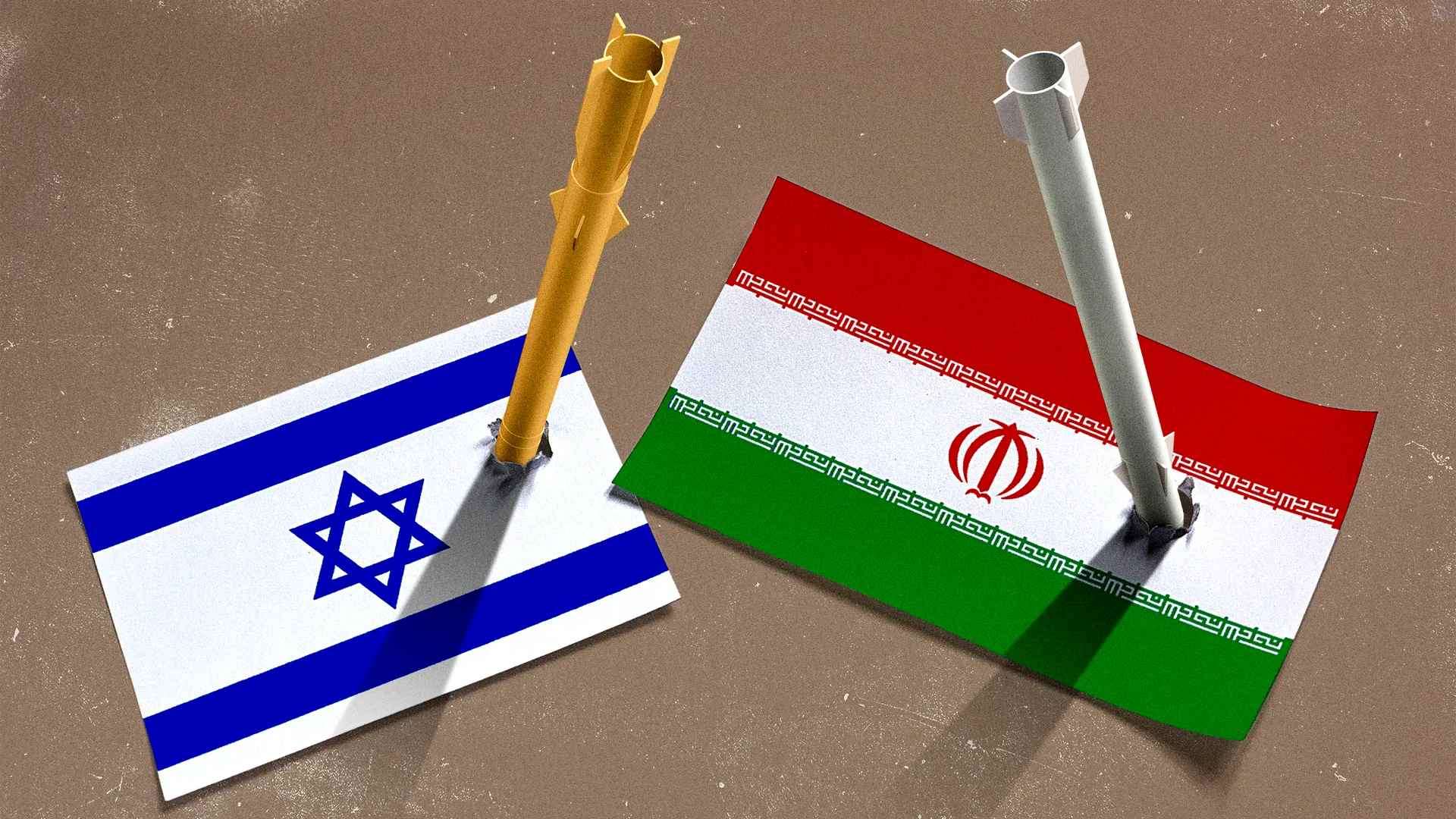
The situation on the war front remains highly active and volatile, with no clear resolution in sight. The United States and Israel continue sustained air and naval strikes against Iran, targeting military infrastructure, missile systems, and strategic facilities. Despite this pressure, Iran has not been subdued and continues to respond with missile and drone attacks, including strikes across the Gulf region and attempts to hit key military and economic targets.
At the centre of the conflict is the Strait of Hormuz, which remains severely disrupted. Shipping through this vital route, responsible for roughly one-fifth of global oil supply, has slowed dramatically, if not halted in some areas. This has turned the strait into the primary battleground, with the United States attempting to secure it while Iran seeks to maintain pressure.
At the same time, the United States is increasing its military presence, deploying additional warships, aircraft, and thousands of troops to the region. This buildup suggests preparation for a prolonged conflict rather than a quick withdrawal, even though there is still no confirmed large-scale ground invasion. Iran, for its part, has demonstrated resilience. Its command structures, particularly within the Revolutionary Guard, remain operational, and it continues to launch coordinated responses despite sustained attacks.
The global economic impact is already severe. Oil prices have surged, shipping routes are under threat, and insurance costs for vessels have skyrocketed. These disruptions are being felt worldwide, contributing to economic uncertainty and inflationary pressure.
Politically, the situation remains ambiguous. Donald Trump has indicated that the United States is close to achieving its objectives and is considering winding down operations. However, he has also rejected calls for a ceasefire and continues to reinforce U.S. military deployments, sending mixed signals about the direction of the conflict.
Overall, the war is still intensifying rather than winding down. The United States retains overwhelming military power, but Iran has shown it can sustain resistance and impose significant economic and strategic costs. The immediate consequences are being felt most sharply in global energy markets and trade, while the military outcome remains uncertain.
Conflicts involving Iran and the broader Middle East are inherently complex and unpredictable. Even accurate intelligence cannot guarantee quick or decisive outcomes. Misjudgments can arise not only from intelligence assessments but also from how political leaders interpret and act on that information.
It is also common, particularly in times of pressure, for political narratives to shift blame toward institutions such as intelligence agencies. This has occurred under multiple U.S. administrations, not only during Trump’s time.
Many analysts, including Michel Yakovleff and Prof. John Mearsheimer, have instead pointed to broader issues such as unclear strategic objectives, difficulties in managing alliances, and an overestimation of control over how conflicts unfold. These factors suggest that the challenges faced are more likely rooted in strategy and geopolitics rather than in any straightforward failure of intelligence.Donald Trump sharply criticized NATO allies, calling them “cowards” for not supporting the U.S.-Israel war against Iran, while still complaining about rising oil prices caused by tensions around the Strait of Hormuz.
Although countries like Germany, France, and United Kingdom supported ensuring safe shipping, they avoided direct military involvement and called for de-escalation.Trump said the U.S. is close to achieving its military goals and is considering winding down the war, though he rejected a ceasefire. Meanwhile, oil prices have surged, more U.S. forces are being deployed, and additional funding has been requested, even as Iran claims strong retaliation.
United Kingdom, France, Germany, Italy, Japan, and Netherlands said they are willing to support efforts to keep the Strait of Hormuz open, but only after a ceasefire and within a multilateral framework.They strongly condemned Iran for attacks on commercial vessels, as the blockade has disrupted a key oil supply route.
However, these countries rejected immediate military involvement, stressing that any action would require international coordination, likely under the United Nations, and, in some cases, domestic approval. The quote “Never interrupt your enemy when they’re making a mistake” (often attributed to Napoleon Bonaparte) is used here to explain why China appears restrained during the Iran crisis.
The argument is that while the United States and Israel are engaged in conflict, China benefits by staying silent and focusing on long-term strategy. It highlights how tensions in the Gulf may strain U.S. ties with partners like Saudi Arabia, United Arab Emirates, Kuwait, and Qatar, countries central to the “petrodollar” system that underpins the global role of the U.S. dollar.
The piece argues that China has spent years preparing for such shifts through initiatives like the Belt and Road Initiative, expansion of BRICS, and development of alternatives to Western financial systems such as CIPS instead of SWIFT.It also emphasises China’s long-term investments in Africa, infrastructure, energy, and telecommunications, contrasting this with costly U.S. wars like the Iraq War and War in Afghanistan.
‘Cheap tickets for the Titanic’
The central idea is that China’s “silence” is not weakness but strategy: letting geopolitical rivals exhaust themselves while it strengthens economic ties and influence. As conflicts disrupt energy markets and alliances, some countries in the Global South may gradually shift toward systems and partnerships that China has been building over decades.French general Michel Yakovleff sharply criticised Donald Trump over his call for European involvement in the Iran conflict, comparing it to “buying cheap tickets for the Titanic after it hit the iceberg.”
He argued there are several reasons to refuse. First, any NATO mission must be unified under NATO command, not a mix of separate U.S. and European operations. He also stressed that Trump has not clearly defined strategic goals, making participation unrealistic.Yakovleff further pointed to a lack of trust, warning that Trump could abandon allies at any moment. He concluded that nations should not “reinforce failure,” suggesting Europe has strong grounds to stay out of the conflict.
With global energy markets shaken and military objectives still unclear, the question remains whether Washington can regain control or if Trump’s reliance on flawed intelligence has led the United States into a protracted and costly confrontation with no easy exit in sight.