Reply To:
Name - Reply Comment
By Sheain Fernandopulle
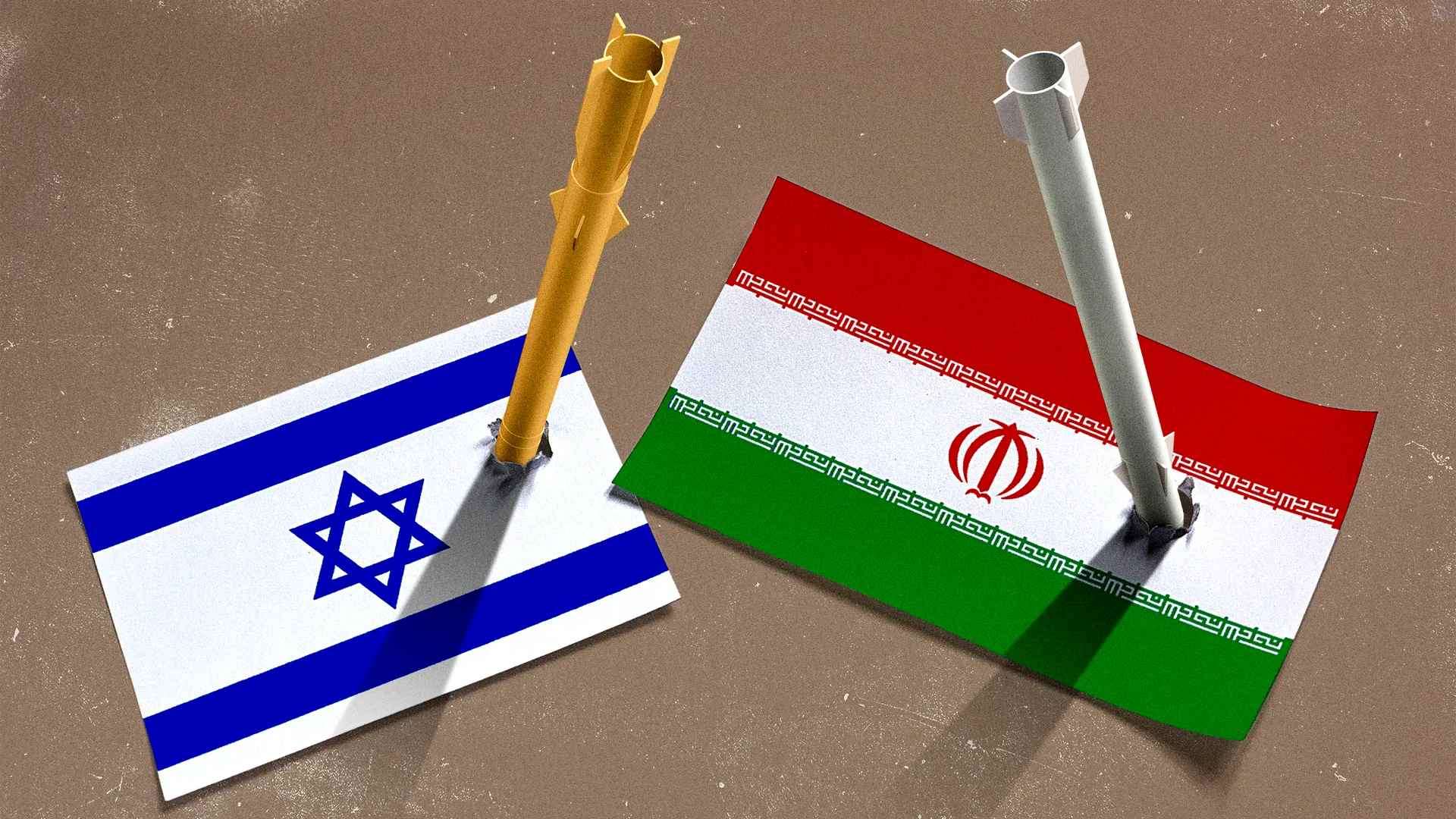
Amid escalating tensions between the United States and Iran, Sri Lanka has reintroduced the QR code–based fuel distribution system as a precautionary measure to curb congestion at filling stations, prevent artificial queues and fuel hoarding, the Ceylon Petroleum Corporation (CPC) said.
According to CPC Managing Director Dr. Mayura Neththikumarage, he said the system was introduced after authorities observed people stockpiling fuel and queues forming at filling stations over the past few days, despite there being no fuel shortage in the country.
Fuel distribution under the QR code system began at 6.00 a.m. yesterday (15), with priority initially given to vehicle owners who had previously registered for the system and are using the same vehicles with the same registered mobile numbers.
Dr. Neththikumarage said many vehicle owners had already registered during the previous phase and were therefore given priority to download their existing QR codes first.
“New registrations were temporarily disabled during the initial stage to avoid congestion on the system, but will be reactivated shortly,” he said.
He noted that those who already possess their old QR codes do not need to download them again, as the system has been designed to operate using the previously issued codes.
“Vehicle owners who have purchased new vehicles, changed their registered mobile numbers or transferred ownership of registered vehicles will be able to obtain new QR codes once new registrations reopen,” he explained.
Addressing concerns over fuel availability, the CPC Managing Director said the country has fuel stocks sufficient to last until the end of April, while scheduled shipments are also expected to arrive as planned. However, he claimed that in recent days certain groups had attempted to create queues by spreading claims of a fuel shortage. As a result, diesel consumption had risen by around 30 percent above normal levels, while petrol demand had increased by nearly 60 percent.
He warned that if the trend continues, it could lead to longer queues and encourage people to stockpile fuel, stressing that the QR system was introduced to prevent such practices and ensure fair distribution.
Dr. Neththikumarage added that fuel allocations under the QR system were calculated based on the number of vehicles in the country and can be supplied without difficulty, allowing vehicle owners to obtain their weekly quota without having to wait in long queues.