Reply To:
Name - Reply Comment
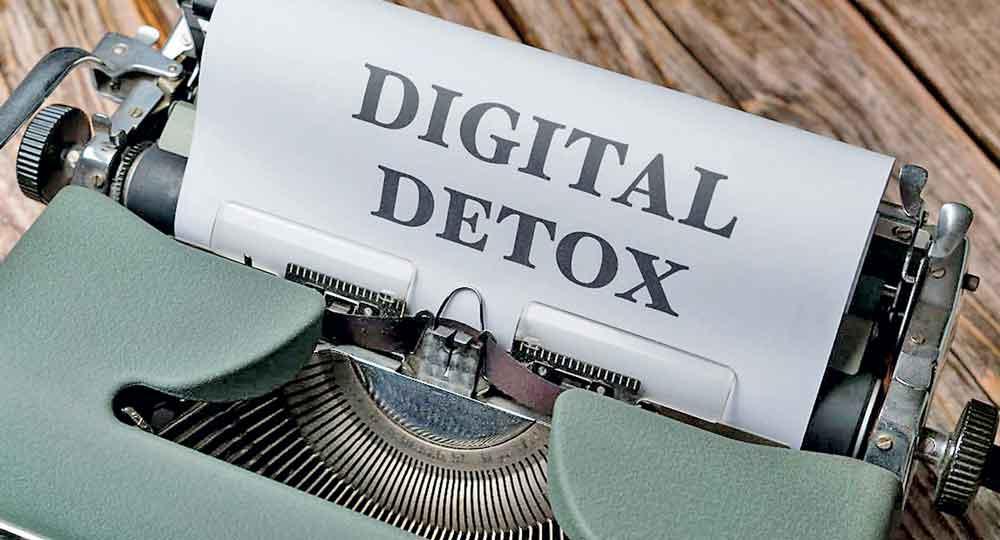
 You open your phone and actually find the app you need. Your inbox shows 12 emails, not 12,000. Your laptop doesn't freeze because you've got 47 tabs open from last March. Sounds impossible? It's not. January 2026 is your moment to hit refresh on your entire digital life.
While everyone's focused on gym memberships and meal plans, your tech ecosystem is quietly drowning in chaos. That chaos costs you time, focus, and, let's be honest, your sanity.
Why Your Digital Mess Is Holding You Back
Think of your devices like a cluttered desk. When everything's piled up, even simple tasks take forever. You waste minutes searching for files. You miss important emails buried under newsletters you never read. Your phone storage screams full every time you try to take a photo.
Research from Princeton University's Neuroscience Institute found that visual clutter competes with our brain's ability to pay attention and tires out our cognitive functions over time. When subjects performed tasks in organised versus disorganised environments, researchers discovered that people were more productive, less irritable, and less distracted in clutter-free spaces. The study concluded that physical clutter in our environment can overload the visual cortex, interfering with our ability to focus and process information.
Move essential apps to your home screen. Everything else goes into folders or gets deleted. When you finish, you should be able to find any app in under five seconds.
But what about digital clutter? According to Cleveland Clinic psychologist Dr Susan Albers, "Studies show that digital clutter is just as toxic to your mental health as physical clutter. It triggers high levels of stress and anxiety." The same principle applies: every unused app, every duplicate photo, every "I'll read this later" bookmark is pulling your focus away from what actually matters. Research published in Computers & Security found that workers spend an average of 45 minutes a day searching through digital information they need to do their jobs.
Your Step-by-Step Digital Detox
Start with your phone. It's likely the most cluttered device you own. Delete apps you haven't opened in three months. Be ruthless. That language-learning app you downloaded with good intentions? If you haven't used it since February, it's not happening.
Move essential apps to your home screen. Everything else goes into folders or gets deleted. When you finish, you should be able to find any app in under five seconds.
Next, tackle your photos. Most of us have thousands of near-identical shots. Use your phone's built-in tools or apps like Google Photos to identify duplicates and blurry images. Create albums for important memories: holidays, family events, achievements. Delete the rest. One great photo beats fifty mediocre ones.

Now the beast: your email. Here's the truth: you'll never reach inbox zero by reading everything. Instead, search for newsletters and subscriptions. Unsubscribe from anything you've ignored for the past month. Then create just three folders: Action Needed, Reference, and Archive. That's it. No complex system with 20 categories you'll never maintain.
For your remaining emails, use the two-minute rule. If it takes less than two minutes to handle, do it now. Everything else goes into Action Needed with a reminder set.
Building Systems That Actually Stick
Here's where most digital resets fail: people clean up but don't create systems to stay clean. The solution? Automation and boundaries.
Set up cloud backups that run automatically. Services like Google Drive, iCloud, or Dropbox can back up your files while you sleep. Schedule it and forget it. External hard drives work too, just set a monthly calendar reminder to plug in and back up.
Start with just one area this week. Maybe it's your phone. Maybe it's an email. Pick one, clean it up, build a simple system, and move to the next. By February, you'll wonder how you ever worked any other way.
Create a folder structure you'll actually use. Keep it simple: Work, Personal, Finance, Creative. Within each, use clear names with dates. 2026_Tax_Documents beats Important_Stuff_V2_Final_REAL.
For passwords, stop writing them on sticky notes or reusing Password123. Password managers like Bitwarden, 1Password, or your browser's built-in manager create unique, strong passwords for every account. You remember one master password; they remember everything else.
The Minimalism Mindset, Without Going Offline
Digital minimalism doesn't mean abandoning technology. It means being intentional. Before downloading a new app, ask: "What problem does this solve?" Before subscribing to another newsletter, ask: "Will I genuinely read this?"
Set boundaries. Turn off non-essential notifications. Seriously, you don't need an alert every time someone likes your post. Enable "Do Not Disturb" during work hours. Schedule specific times to check your email instead of living in your inbox.
According to the American Psychiatric Association's 2024 Healthy Minds Monthly poll, 31% of American adults say social media does more harm than good to their mental health, while 41% remain neutral on its effects. Taking control of your digital environment isn't just about productivity; it's about protecting your mental well-being.

Why January 2026 Is Your Moment
You're not just organising files. You're reclaiming mental space. A clean digital environment means faster devices, easier workflows, and fewer daily frustrations.
Start with just one area this week. Maybe it's your phone. Maybe it's an email. Pick one, clean it up, build a simple system, and move to the next. By February, you'll wonder how you ever worked any other way.
Your digital reset isn't about perfection. It's about progress. And that starts today.