Reply To:
Name - Reply Comment
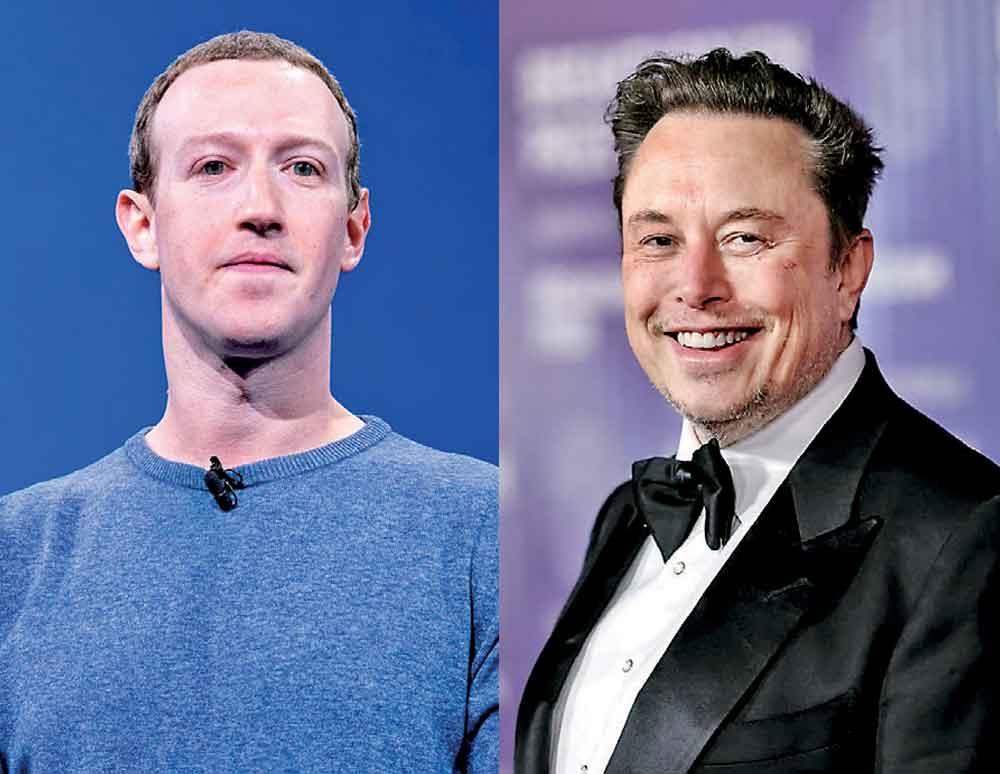
 The tech world celebrates its billionaire founders like modern-day heroes. Their faces appear on magazine covers, their quotes trend on social media, and their companies reshape how billions of people live. But behind every successful founder is a collection of hard lessons learned through failure, rejection, and near bankruptcy. These aren’t just inspiring stories for aspiring entrepreneurs. They contain practical wisdom anyone can use, whether you’re building a business, advancing your career, or simply trying to accomplish something difficult.
The Failure Nobody Talks About
Bill Gates, now one of the world’s wealthiest people, co-owned a failed business called Traf-O-Data before founding Microsoft. The company built a computerised machine for processing paper tapes from traffic counters, and it went belly up. But Gates and his partner, Paul Allen, used what they learned from that failure to create the largest software company in the world.
Elon Musk describes starting a company as similar to eating glass and staring into the abyss. When you first start, happiness is high with lots of optimism, then you encounter issues and happiness steadily declines, going through a world of hurt before eventually succeeding if you’re fortunate.
SpaceX faced three consecutive failed rocket launches that nearly bankrupted the company in 2008. After the third failure, with both Tesla and SpaceX on the brink of collapse, Musk chose to fund one final launch attempt with his last 20 million dollars. The successful fourth launch secured a NASA contract that saved both companies.
This reality check matters because too many people quit at the first sign of trouble, assuming failure means they’re on the wrong path.
Start With Something People Actually Need
When Brian Chesky and Joe Gebbia started Airbnb in 2007, they couldn’t afford rent on their San Francisco apartment. They didn’t want to post on Craigslist because it felt too impersonal, so they built their own site. With a design conference coming to town and limited hotel space, they set up a simple website offering three air mattresses on their floor and a home-cooked breakfast for 80 dollars per guest.
That first weekend, they received emails from people around the world asking when the service would be available in their cities. They had stumbled onto a real problem with a real solution.
Chesky says that Airbnb succeeded because it solved a clear problem in the rental industry while providing extra income for people with idle properties. His advice is to ensure you have a solution for a specific problem, not think up a product first and then look for a problem it can solve.
This sounds obvious, yet countless startups fail because they build something nobody wants. In Sri Lanka, think about the apps and services you actually use versus the ones that disappeared within months. The survivors solved real problems, whether that was easier money transfers, simpler food ordering, or more convenient shopping.
The Myth of the College Dropout Billionaire
Mark Zuckerberg started Meta in 2004 from his Harvard dorm room before dropping out, and Bill Gates left Harvard in 1975 to co-found Microsoft. Their companies are now valued at 1.8 trillion and 3.8 trillion dollars, respectively.
These stories fuel one of the most pervasive myths in startup culture: that you must drop out of college in your early twenties to become a tech billionaire. But this is dangerously misleading.
Jeff Bezos warns that these cases are exceptions, not the rule. Speaking at Italian Tech Week in 2025, Bezos urged aspiring founders to earn a college degree and gain work experience first before launching their own startup. According to a Harvard Business Review article, only about 4 per cent of college dropouts achieve major entrepreneurial success. Moreover, a 2019 study from MIT researchers found that the mean age of founders of high-growth startups is 45, not people in their twenties.
Bezos himself started Amazon at 30 after a decade of work experience. That experience proved invaluable when Amazon faced its inevitable challenges.
The Power of Obsessive Focus on Customers
Paul Graham, co-founder of tech startup accelerator Y Combinator, gave Airbnb’s founders advice that Chesky calls the best he ever received: focus on 100 people who love you, rather than getting a million people to kind of like you.
This runs counterintuitive to how most people think about growth. Everyone wants millions of users immediately. But Graham explained that all movements grow by starting with a small group that deeply appreciates what you’ve built.
The founders succeeded because they combined vision with execution, passion with pragmatism, and optimism with realism.
For Airbnb, this meant the co-founders took time to meet hosts in New York and live with them. They wrote the first reviews themselves. They realised many photo hosts were hurting the listings, so Chesky borrowed a camera and personally photographed homes.
This lesson applies beyond startups. Whether you’re a teacher building a tutoring service, a chef planning a restaurant, or a designer taking on freelance work, deeply understanding and delighting a small group of initial clients creates evangelists who spread your reputation.
Work Hard, But Work Smart
Musk regularly puts in 100-hour work weeks between Tesla and SpaceX, and he considers this the bedrock of his business success. When asked to advise entrepreneurs, Musk offered that if other people are putting in 40-hour work weeks and you’re putting in 100-hour work weeks, even doing the same thing, you’ll achieve in four months what takes them a year.
However, raw hours alone don’t guarantee success. Steve Jobs, Bill Gates, and Andy Grove all had markedly different personalities. Gates was a pragmatic technocrat who synthesised enormous amounts of information, Jobs was an intuitive thinker focused on creating products people didn’t know they wanted, and Grove was a disciplined engineer. What they shared was a strategic focus on what mattered most.
Learn to Love Criticism
Musk emphasises that a well-thought-out critique of whatever you’re doing is as valuable as gold. He encourages seeking criticism from everyone, but particularly from friends, because usually your friends know what’s wrong but don’t want to tell you, because they don’t want to hurt you.
Gates called unhappy customers your greatest source of learning, saying you’ve got to want to be in an incredible feedback loop where world-class people tell you what you’re doing wrong.
In Sri Lanka’s context, think about restaurants that ignore customer complaints versus those that actively solicit feedback and improve. The former stagnate while the latter build loyal followings.
Don’t Chase Money, Chase Impact
Zuckerberg warns against starting a company just to start a company. There’s a culture in Silicon Valley of starting companies before knowing what you’re passionate about, where you’ve decided you want to start a company, but don’t know what you’re passionate about yet.
Musk didn’t go into the rocket business, car business, or solar business thinking these were great opportunities. He thought something needed to be done to make a difference. He wanted to create something substantially better than what came before.
This distinction matters more than most people realise. When you’re only chasing money, the first serious obstacle makes you question whether it’s worth continuing. When you believe in the mission, you push through difficulties others see as stopping points.
What This Means for You
Most people reading this won’t start the next Tesla or Facebook. But these lessons apply to smaller ambitions too. Whether you’re launching a tutoring service, opening a small shop, freelancing, or simply trying to advance in your current job, the principles remain the same.
Solve real problems for real people. Start small and focus on making a few customers incredibly happy rather than many customers moderately satisfied. Seek criticism actively. Work hard on things you care about. Test everything yourself. Don’t quit at the first obstacle.
The founders profiled here succeeded because they combined vision with execution, passion with pragmatism, and optimism with realism. They made countless mistakes but learned from each one. They faced rejection repeatedly but persisted anyway.
Their stories aren’t primarily about getting rich. They’re about what it takes to accomplish difficult things in a world that tells you such things are impossible. That lesson has value whether you’re building a billion-dollar company or simply trying to make something meaningful happen in your own life.