Reply To:
Name - Reply Comment
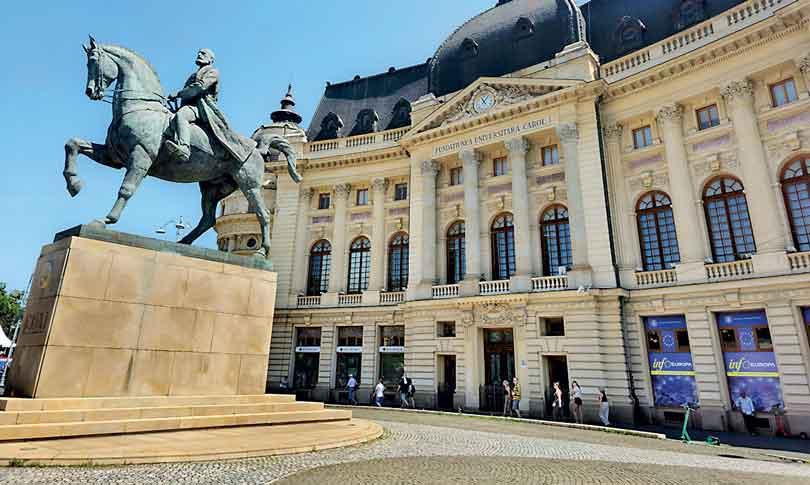
Bucharest, Romania
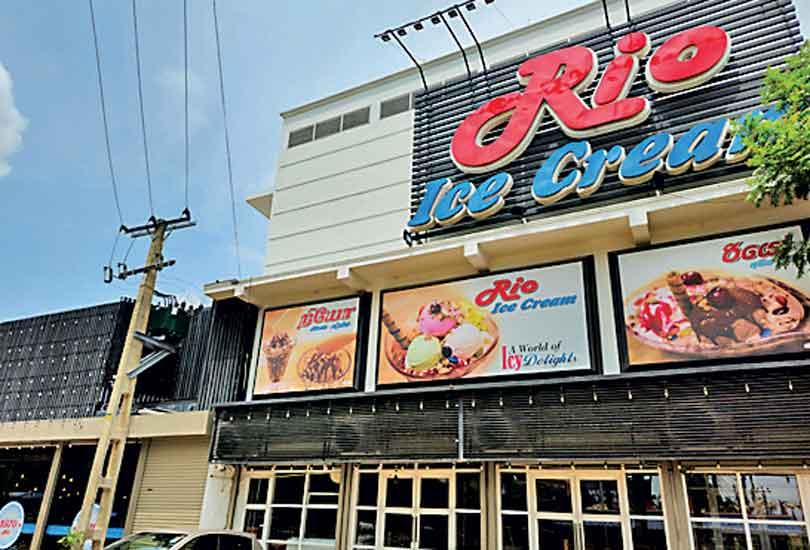
Rio, Jaffna
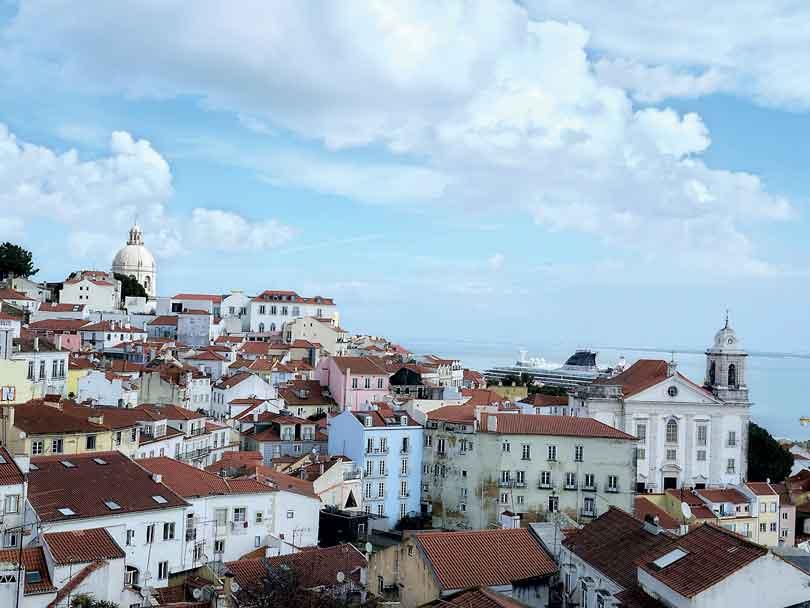
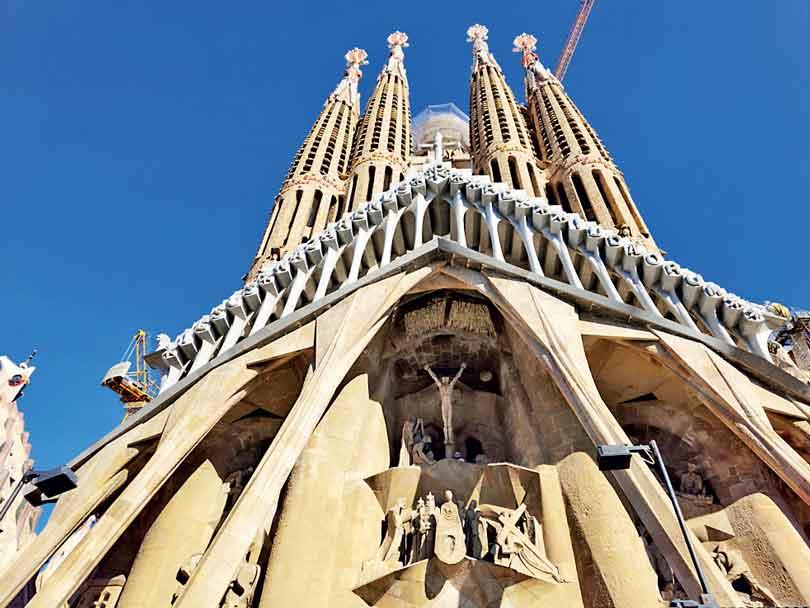
Sagrada Familia in Barcelona

Bucharest, Romania
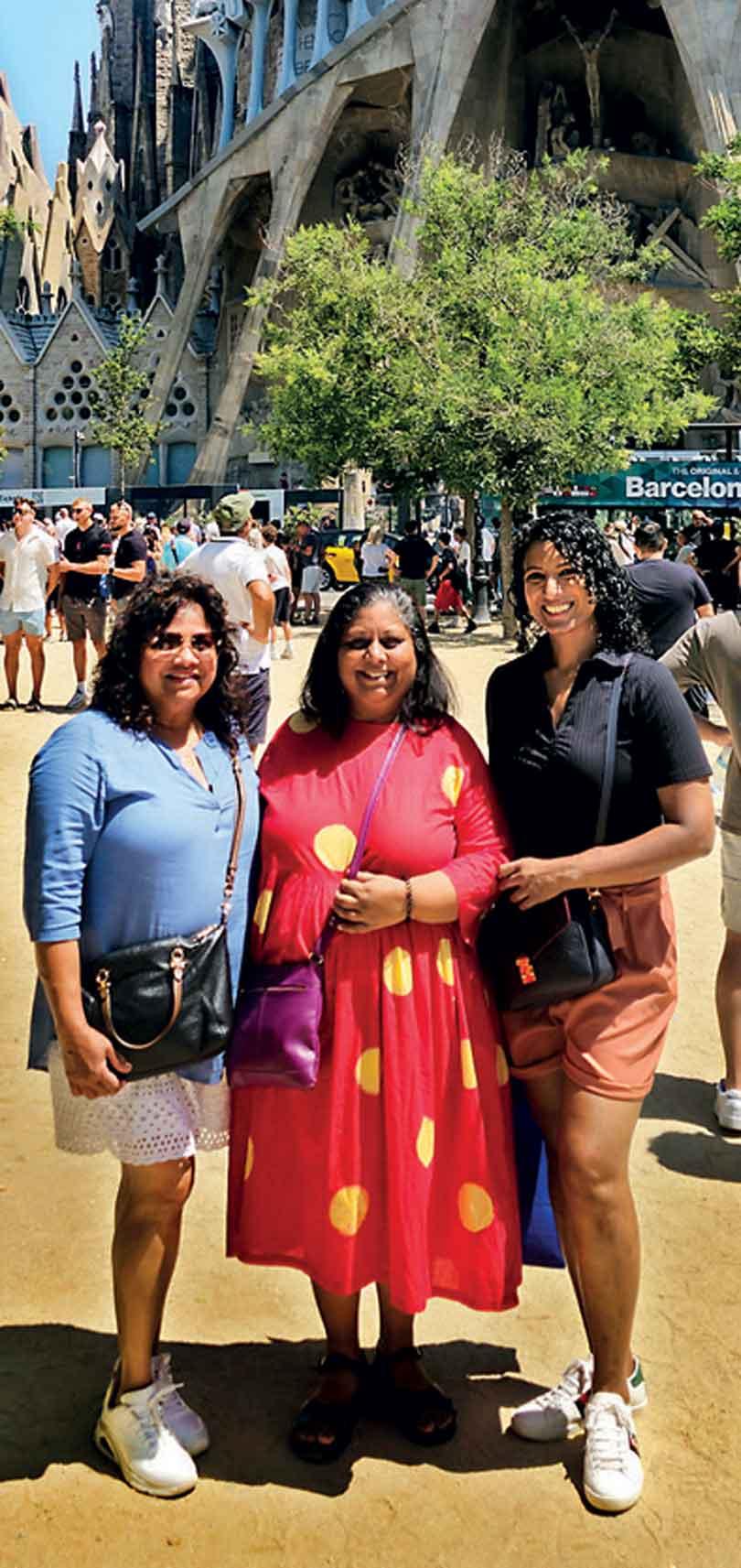
Barcelona
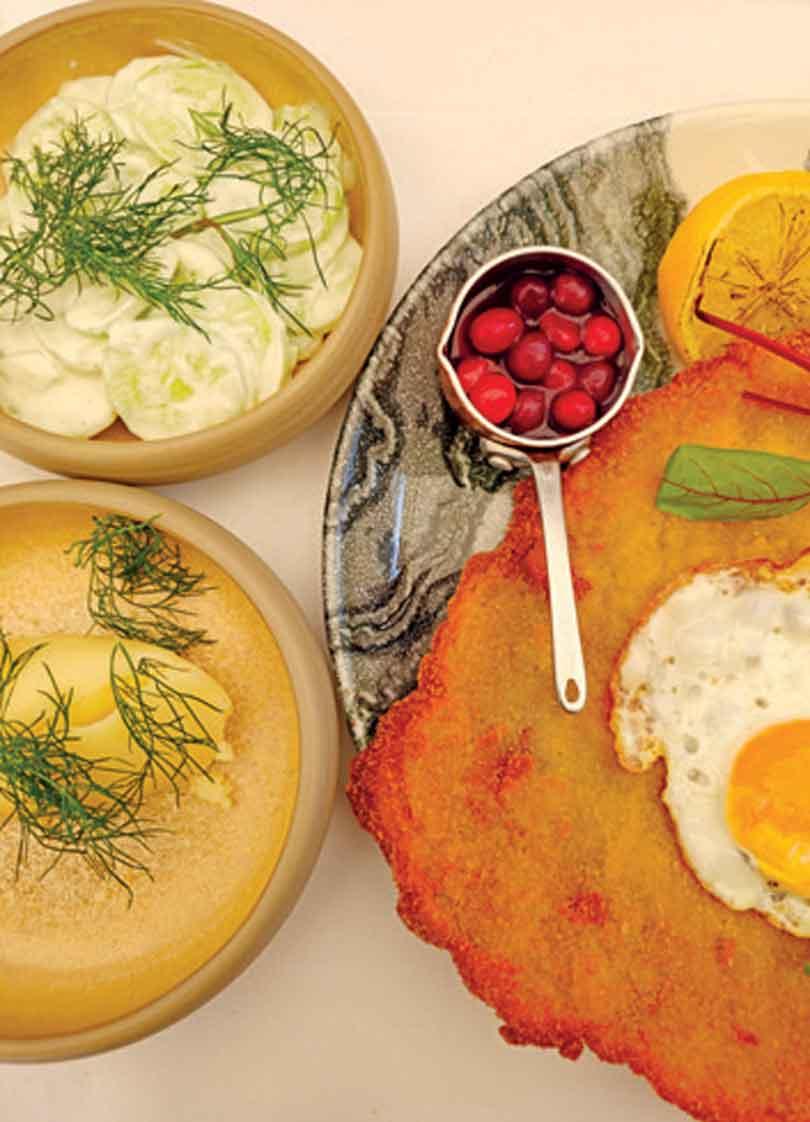
Warsaw, Poland
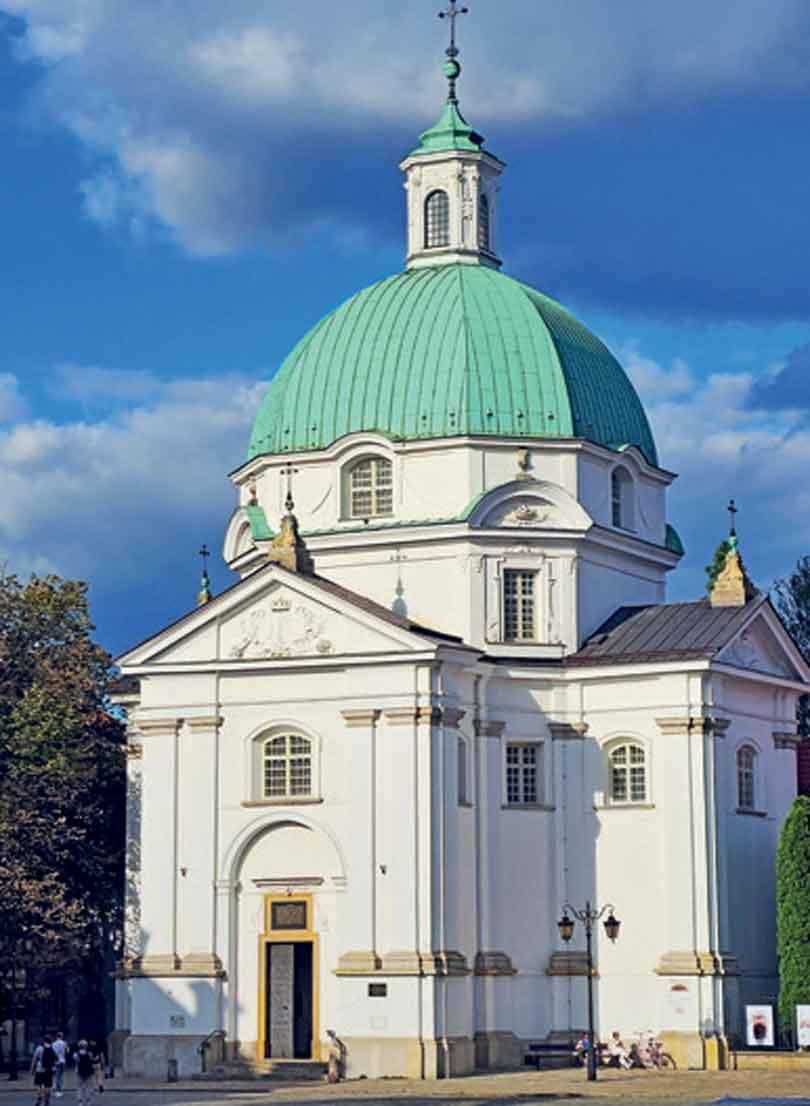
Warsaw, Poland
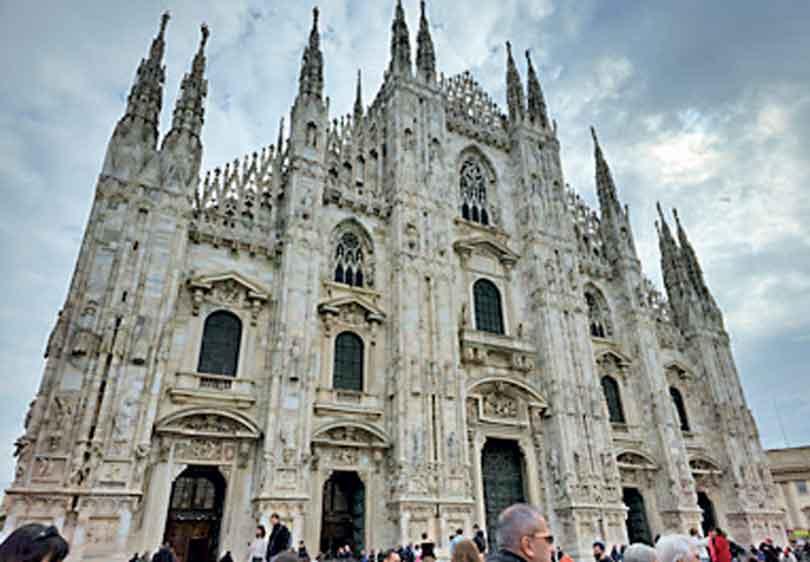
Duomo di Milano, Italy
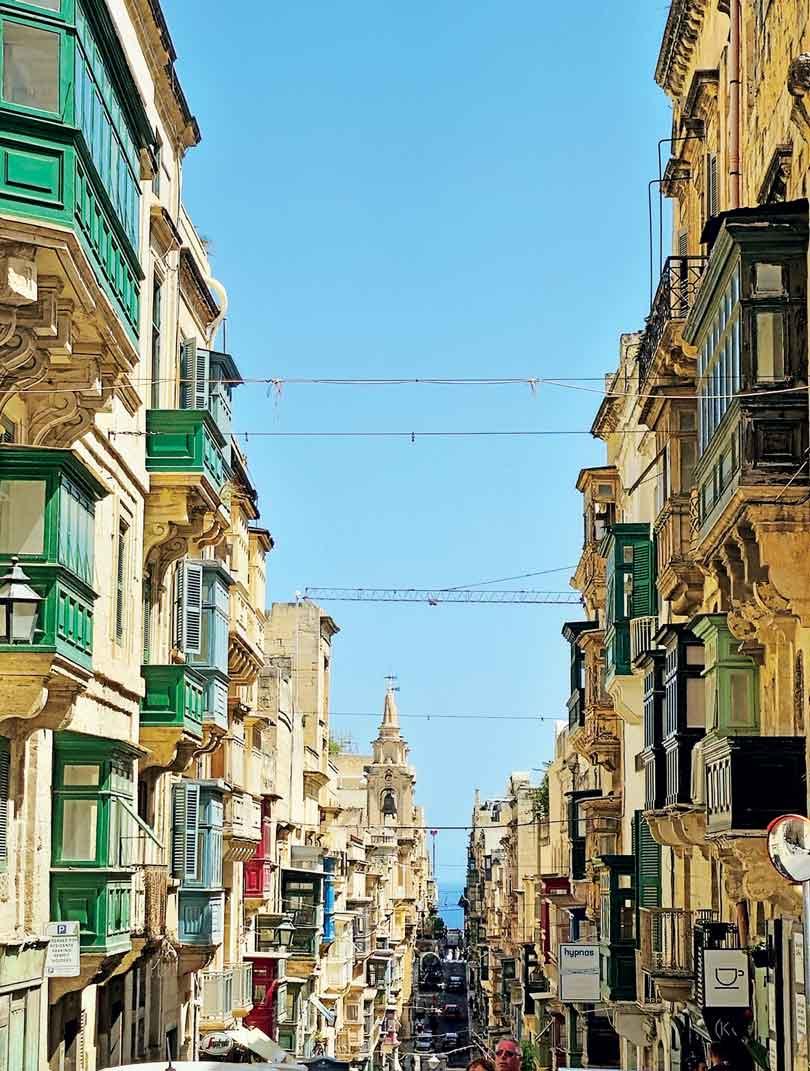
Valetta, Malta

Valetta, Malta

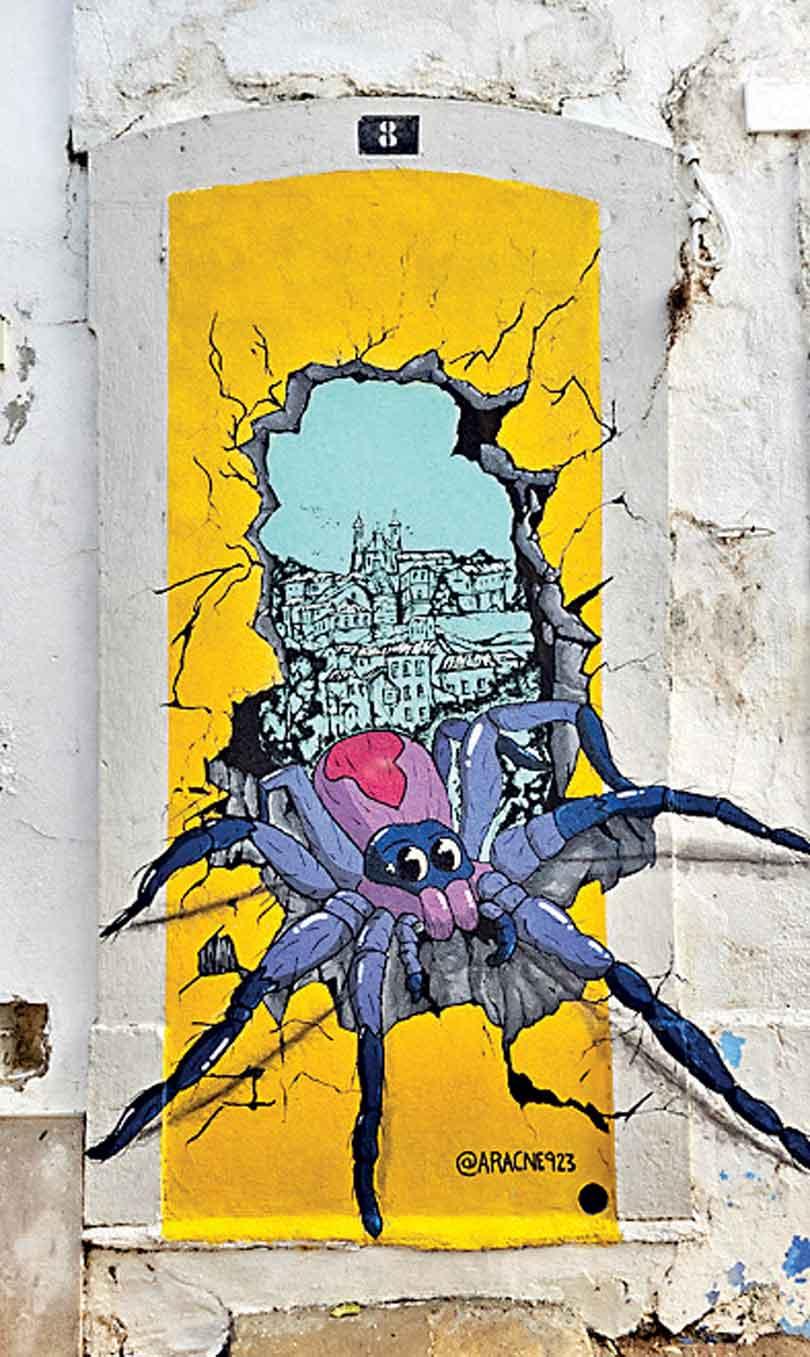
Faro, Portugal
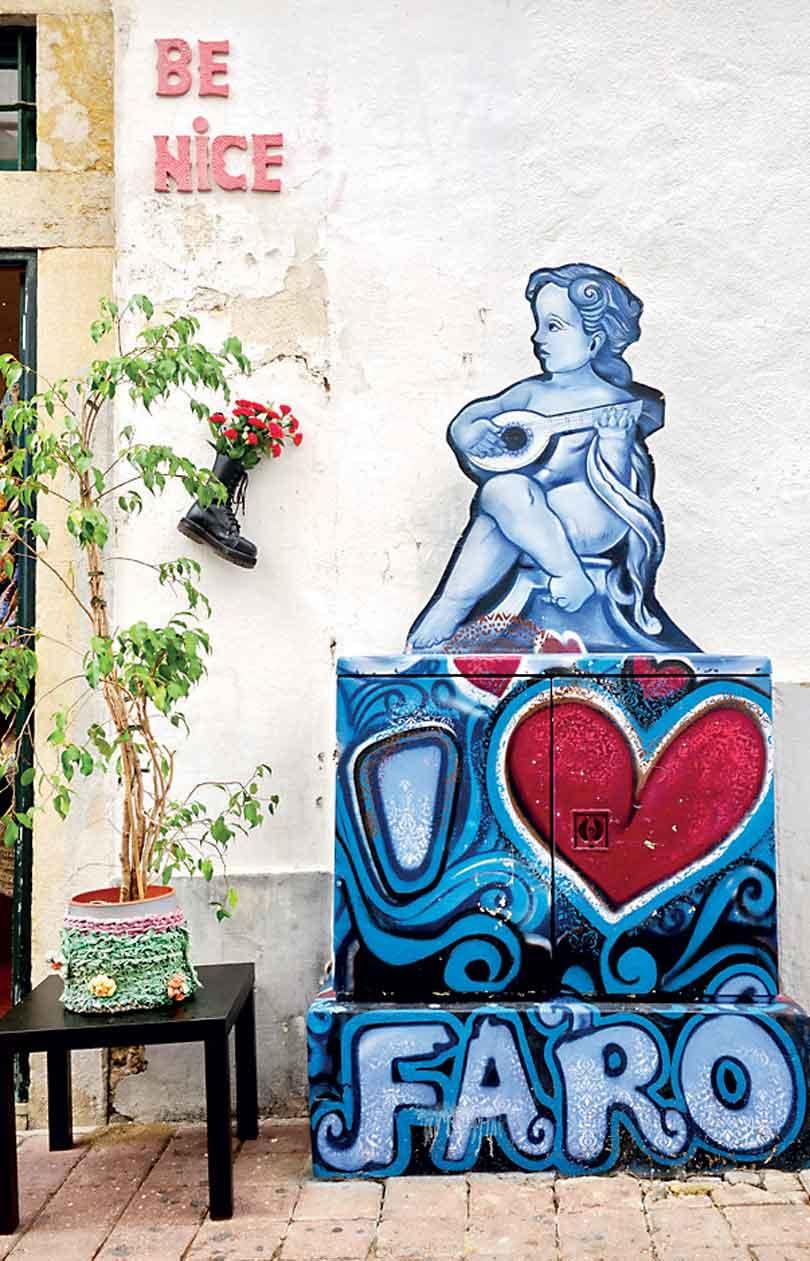
Faro, Portugal
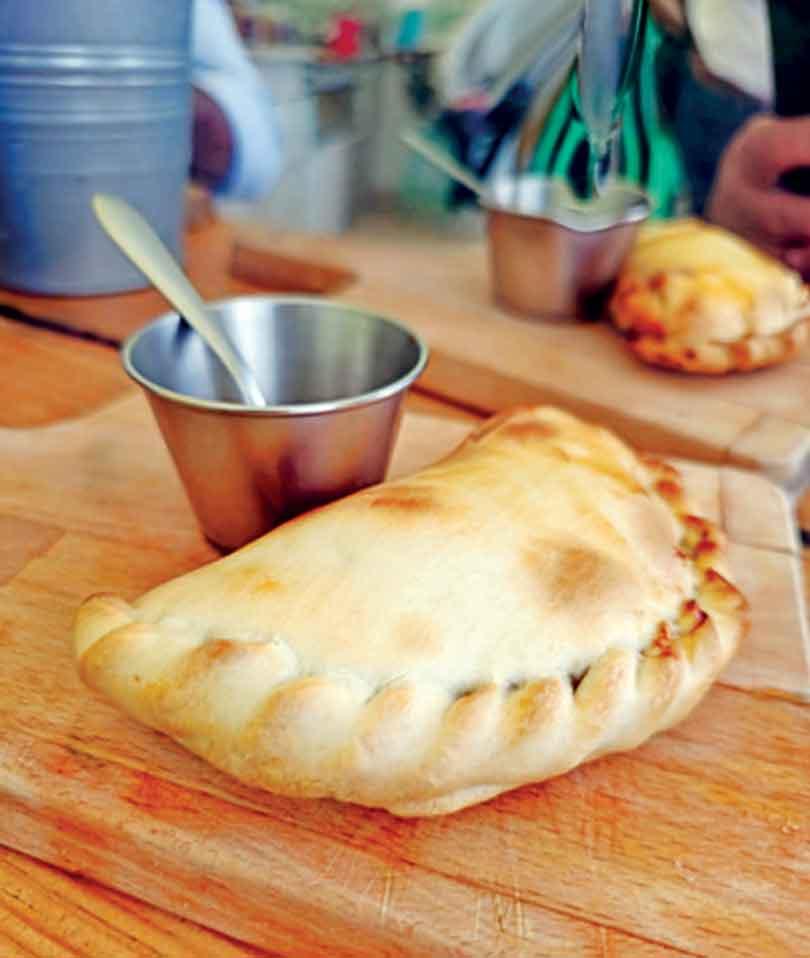
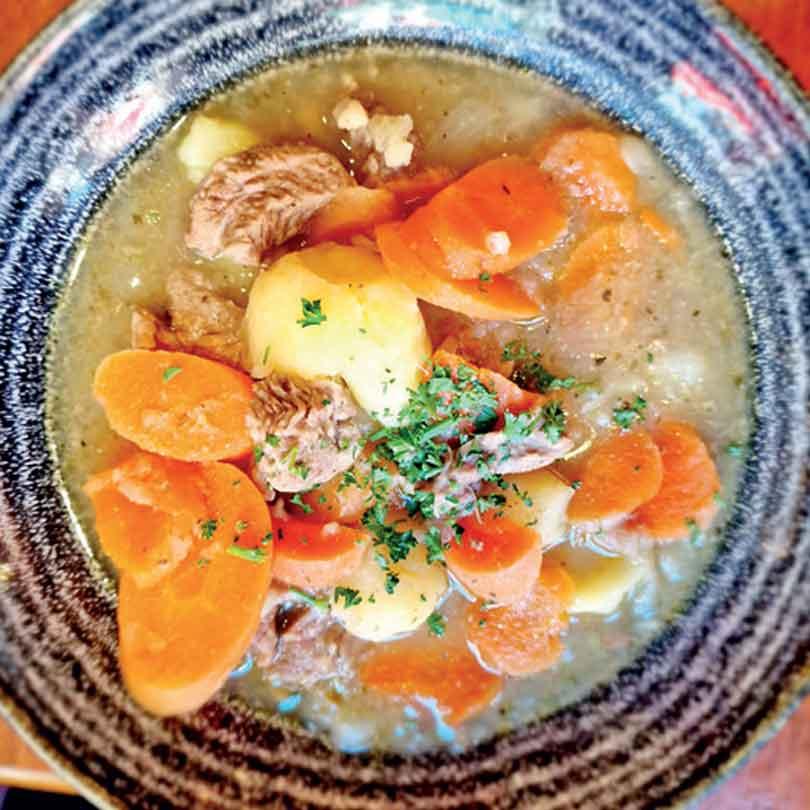
Dublin, Ireland
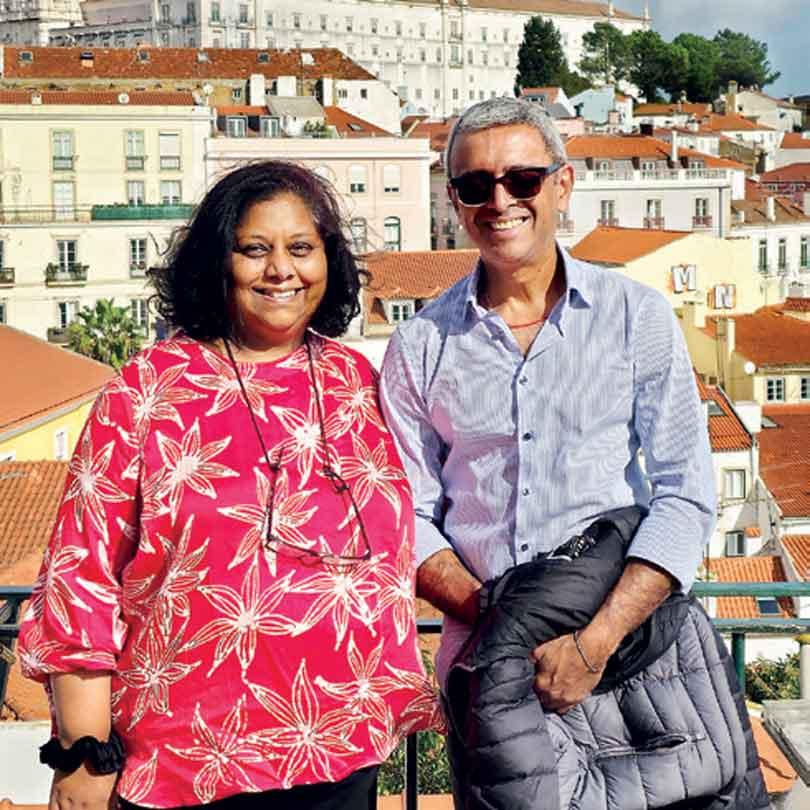
Lisbon, Portugal
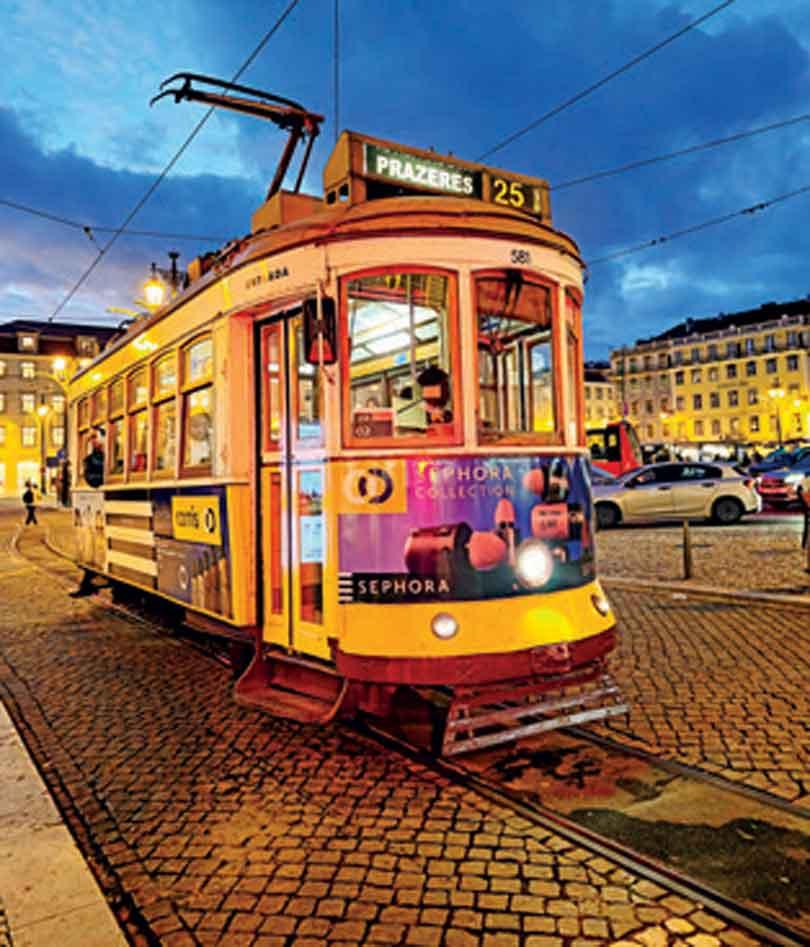
Lisbon, Portugal
While travel in 2026 feels more human-centred, technology plays a key supporting role. According to global consultancy Simon-Kucher, artificial intelligence is increasingly being used to personalise travel planning — from itinerary building and translation to destination discovery.
 As an avid and intrepid traveller, 2025 was spent — wherever possible — on the move, discovering new places and, at times, happily acting as an informal tour guide, showing friends some of my favourite corners of the world. From Warsaw to Faro, and Barcelona to Malta, each new destination further satiated an ever-growing appetite for travel.
I credit my parents for awakening this lifelong love of exploration. Both worked for an airline in the UK and thanks to that privilege, travel became part of my upbringing. From a young age, the world felt accessible — its cultures, cuisines and customs unfolding as lessons beyond any classroom. Travel, after all, is an education in itself, and few experiences broaden horizons quite like stepping into a new country and seeing life from a different perspective.
Wanderlust, for me, is ingrained. Wherever possible during holidays, I head off to experience somewhere new or rediscover a familiar destination through fresh eyes. Alongside this personal passion, I am also keenly interested in how travel itself evolves — the shifting patterns, preferences and priorities that shape the way we explore the world. As we look ahead, industry experts suggest that one of the most significant travel trends shaping 2026 is the rise of slow travel — a more thoughtful, immersive approach that values depth over distance.
Many independent travel consultants opine that the era of one-size-fits-all holidays is fading fast. Travellers today are increasingly seeking journeys with emotional and personal value, favouring experiences that align with their identities, interests and values rather than generic sightseeing. Travel has become a tool for self-discovery, learning and connection rather than simple escape.
This shift has given rise to passion-based travel — trips built around books, art, history, wellness or cuisine. Literary tourism, in particular, has gained momentum, with travellers choosing destinations inspired by favourite novels, authors or cultural movements. Travel is no longer just about where you go, but why you go.
One of the defining trends of 2026 is slow travel. According to The Times of India, travellers are deliberately choosing to spend longer periods in a single destination, favouring depth over breadth. Rather than rushing through multiple cities, they are opting to live like locals — shopping at neighbourhood markets, learning regional recipes and engaging with everyday life.
The same publication highlights the growing popularity of “quietcations”, holidays focused on calm, reflection and tranquillity. "Destinations such as Luang Prabang in Laos, Hoi An in Vietnam and Japan’s Noto Peninsula are increasingly sought after for their gentle pace, cultural richness and absence of mass tourism." As The Times of India notes, travellers are seeking rest not just for the body, but for the mind.
Nature continues to play a central role in travel choices for 2026. According to the respected National Geographic, travellers are gravitating towards landscapes that offer space, serenity and a reconnection with the natural world — from mountains and forests to remote coastlines and national parks.
An emerging trend within this space is “noctourism”, or tourism after dark. National Geographic reports a rise in night safaris, stargazing experiences, moonlit hikes and evening cultural tours, offering travellers new ways to experience destinations while avoiding daytime heat and crowds.
While travel in 2026 feels more human-centred, technology plays a key supporting role. According to global consultancy Simon-Kucher, artificial intelligence is increasingly being used to personalise travel planning — from itinerary building and translation to destination discovery.
Rather than replacing human expertise, AI is enhancing it, allowing travel advisors and local guides to offer more tailored experiences while reducing the stress associated with planning.
Luxury travel is also evolving. According to Business Insider, privacy and seclusion have become the new status symbols among affluent travellers. Private villas, bespoke itineraries and crowd-free experiences are now preferred over traditional five-star excess.
Luxury in 2026 is also closely tied to authenticity and sustainability. Eco-sensitive lodges, heritage properties and locally rooted experiences are gaining traction, reflecting a desire to travel responsibly without compromising comfort.
Food remains one of the most powerful ways to understand a destination. According to Travel Agent Central, travellers are just as interested in local bakeries, markets and supermarkets as they are in fine dining restaurants.
Cooking classes, market tours and edible souvenirs have become meaningful ways to connect with local culture and support communities.
Sustainability is no longer a niche concern. According to Forbes, travellers are actively seeking ways to reduce their environmental impact and contribute positively to the places they visit — from choosing locally owned accommodation to travelling off-peak and engaging in community-based tourism.
Travel in 2026 reflects a world that has learned to slow down. It is more intentional, more respectful and ultimately more rewarding — not just for travellers, but for the destinations they visit. Modern journeys are less about collecting passport stamps and more about collecting stories, connections and perspective. In a fast-moving world, the greatest luxury may simply be the time to truly be present — wherever in the world that may be.