Reply To:
Name - Reply Comment

 Renowned for its handloom textiles, batik, jewellery, and centuries-old artisanal traditions, Sri Lanka’s craft heritage has long been a quiet yet powerful expression of the island’s culture. Today, these crafts are gaining renewed relevance on the global stage, supported by international partnerships and a growing appetite for authenticity, sustainability, and slow fashion. At the forefront of this effort is the Sri Lankan High Commission in London, which continues to play a pivotal role in introducing Sri Lankan artisan crafts to the UK market.
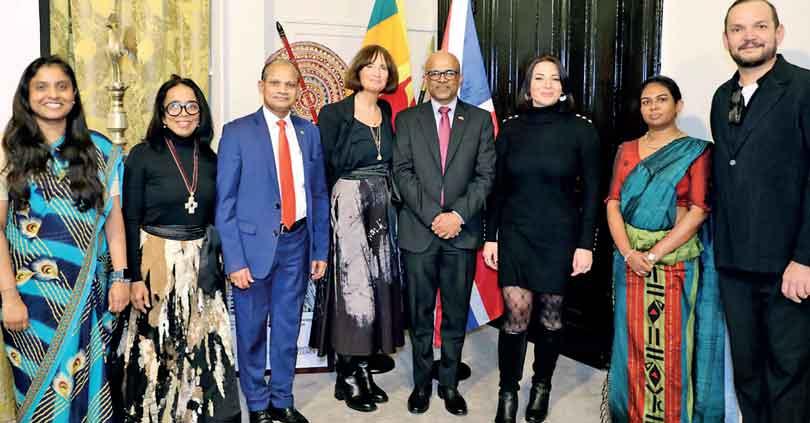
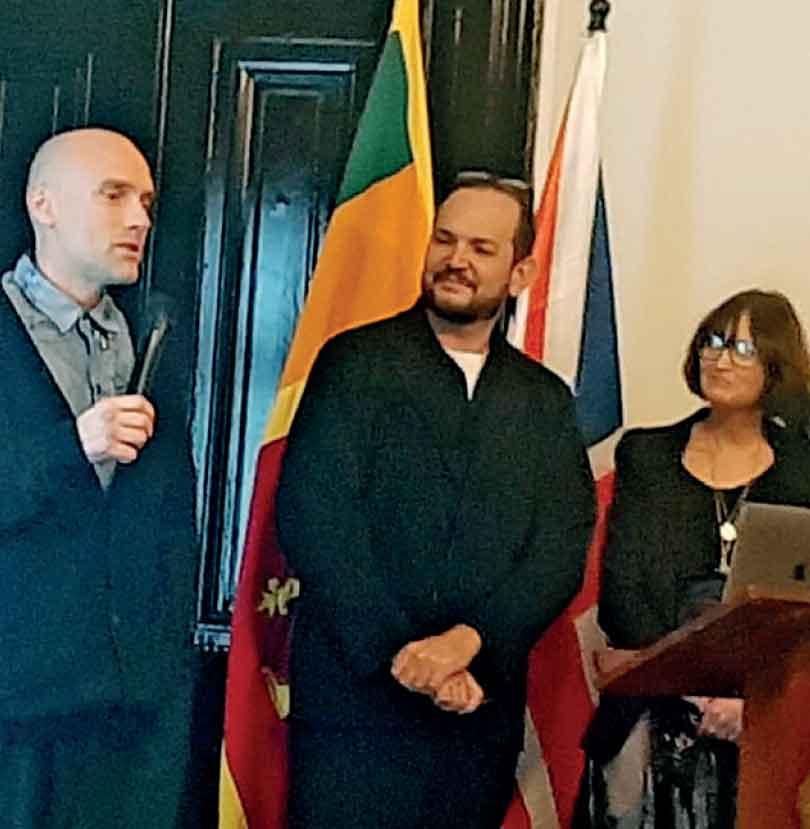
This commitment was showcased through Crafting Sri Lanka’s Global Future: Exhibition & Dialogue 2025, held on 3 December 2025 at the Sri Lanka High Commission. Hosted in collaboration with the Institute for Future Creations (TIFC), London College of Fashion at the University of the Arts London (UAL), and the EU Culture Relation Platform, the event brought together around 70 participants from the UK, EU, and Sri Lanka, including academics, designers, and creative-industry partners. The programme formed part of the wider Creative Sri Lanka 2030 initiative, aimed at strengthening the country’s creative economy while safeguarding its rich cultural legacy.
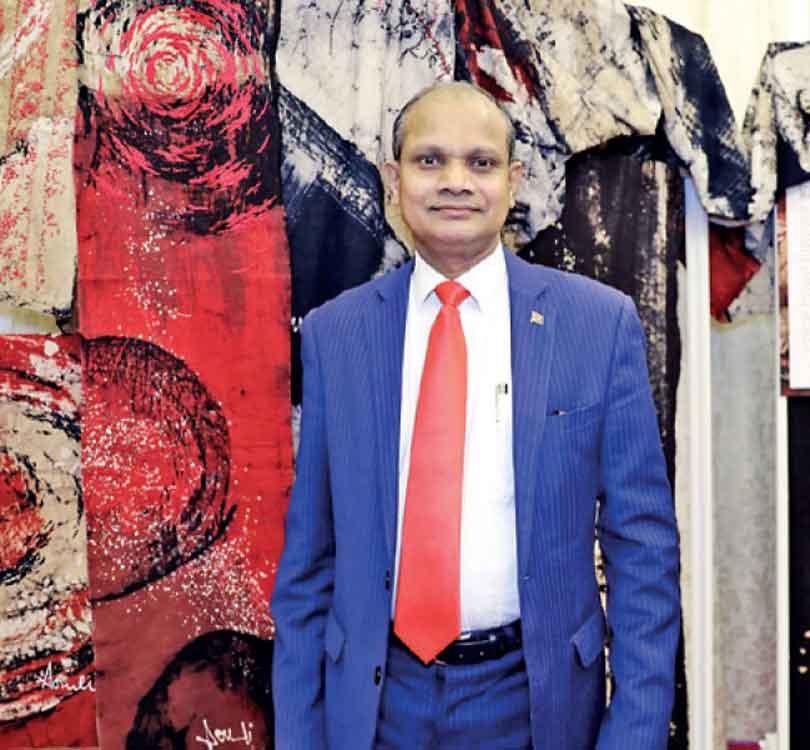
Opening the event, High Commissioner Nimal Senadheera expressed gratitude to international partners and well-wishers for their support during Sri Lanka’s recent disaster relief efforts. In his keynote address, he highlighted the importance of the craft and creative sectors as tools of cultural diplomacy and drivers of sustainable economic growth. Emphasising institutional support, he noted that “the National Crafts Council and Sri Lanka EDB, in line with the vision of the Government, play a pivotal role in supporting traditional industries and artisans, fostering innovation and entrepreneurship and expanding both domestic and international markets, and these efforts are further complemented by Sri Lanka Missions abroad.”
The keynote address by Dr Safia Minney, Founder of Fashion Declares, focused on Craft and Slow Fashion, underscoring craftsmanship’s central role in building a responsible and equitable global fashion industry. She positioned artisan skills not as decorative add-ons, but as essential to long-term sustainability and ethical production.
Further insights were shared by Professor Robert Meeder of TIFC and Ms Hannah Middleton of UAL, who presented the European–Sri Lanka Creative Partnership Pilot. The initiative connects Sri Lankan artisans with European designers and educators, fostering collaborative design, skills development, and international exposure.
A panel discussion moderated by Ms Middleton featured Ms Sepideh Mojabi, Founder of Sippi Jewellery, batik artist Ms Sonali Dharmawardhane, and Mr Somasena Mahadiulwewa, Minister (Commercial) at the Sri Lanka High Commission in London. Addressing the Sri Lankan diaspora, Minister Mahadiulwewa urged them “to consume Sri Lankan crafts while you are living here, and to buy commercial quantities, selling them and promoting and encouraging British people to buy Sri Lankan crafts which are at high quality,” stressing Sri Lanka’s focus on sustainability and niche markets over volume trade.
The event also included screenings of Matchmaking Pilot Programme 2025 and SEVA – Art, Trauma & Healing | A Cultural Journey in Sri Lanka, alongside a mini exhibition of collaborative works in jewellery, batik, textiles, and design research.
Among those attending was Sri Lankan researcher Tarja De Silva, who described the event as deeply personal. “As a Sri Lankan who has spent the past year researching Sri Lankan fashion supply chains and post-colonial dynamics, this event felt incredibly close to home,” she said. She also reflected on reconnecting with former lecturers from London College of Fashion, noting that their teaching had shaped her thinking around ethics, creativity, and responsibility in fashion. De Silva praised the leadership of Hannah Middleton and Robert Meeder, adding that conversations around resilience and ethical collaboration felt “urgent and deeply personal,” particularly as Sri Lanka continues to recover from severe flooding.
“I felt genuinely proud seeing Sri Lankan labels like House of Lonali and Sonali Dharmawardhane highlighted,” she added. “It’s powerful to witness our craft, our people, and our stories being recognised on a global stage.”