Reply To:
Name - Reply Comment
Sent By Panchali Panapitiya
As Homagama accelerates toward becoming a major commercial and urban centre in the Colombo District, a critical truth is being overlooked: some of the area’s last surviving natural forests still exist—and they are under imminent threat.
The Diyagama Rain Forest is a rare lowland wet-zone rainforest whose ecological value far exceeds its modest size. Long before highways, housing, and commercial expansion transformed Homagama, this area formed part of an unbroken forest landscape that sustained wildlife, water systems, and human communities. Diyagama is one of the final remnants of that landscape.
Historical records and local knowledge indicate that until the early 1900s, Homagama was almost entirely forested, serving as vital wildlife corridors, including elephant routes. Diyagama itself was once a water-rich, wetland-dominated ecosystem that played a crucial role in groundwater recharge and regional ecological balance.
Today, although reduced to approximately 26 acres, the forest remains ecologically extraordinary. Situated just 20 metres above sea level, it retains core lowland wet-zone rainforest characteristics, including wetlands, natural ponds, and layered forest structures that support remarkable biodiversity within a small area.
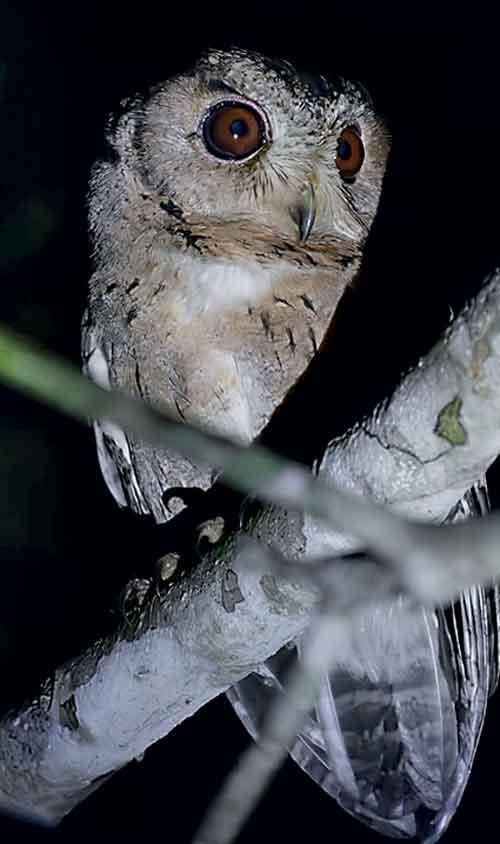
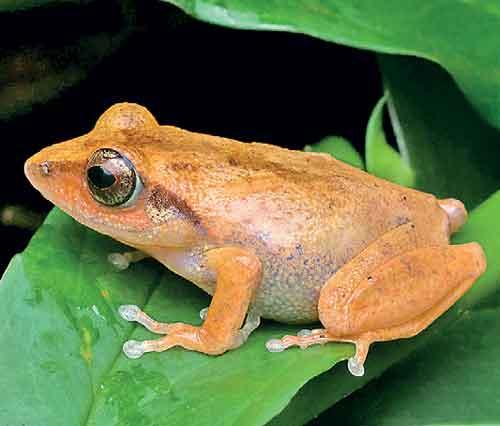
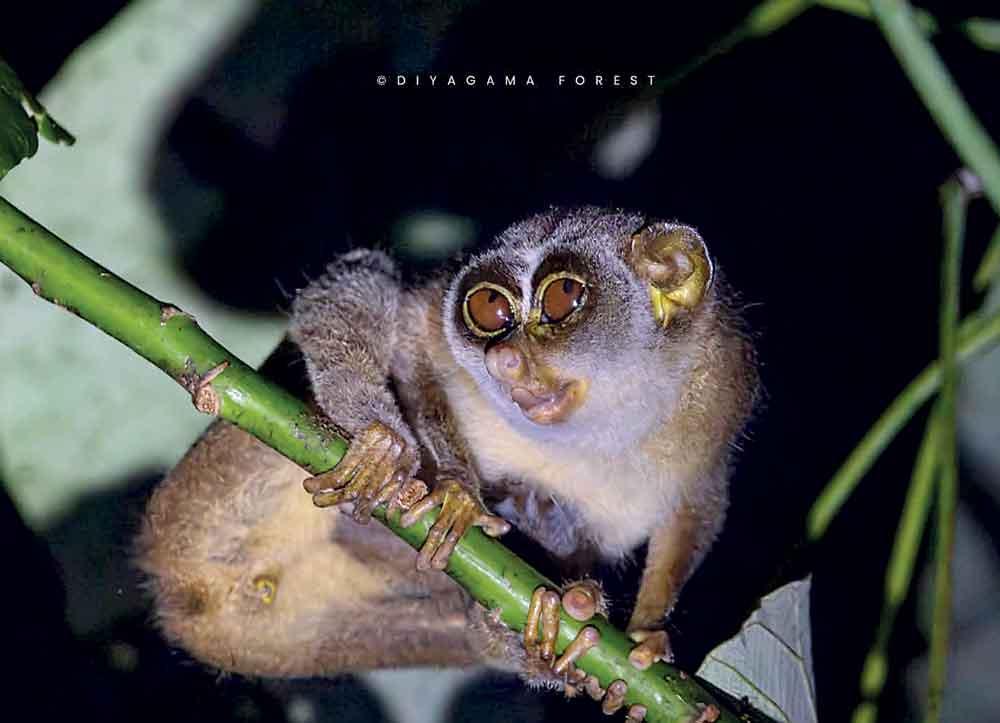
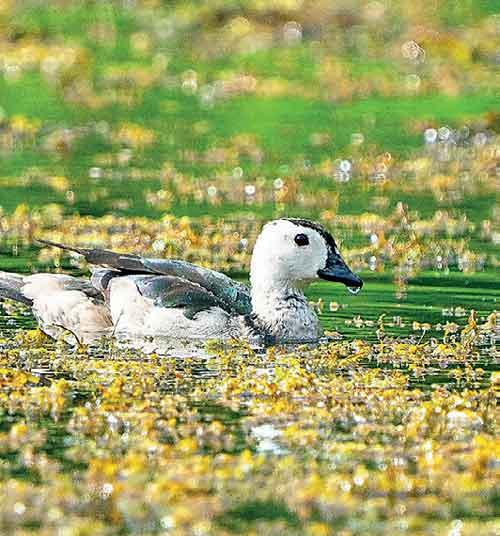
Scientific surveys and field observations have recorded:
Despite its limited size, the Diyagama Rain Forest functions as a major roosting site for thousands of birds in the Homagama area and serves as a natural flood buffer and water regulator for surrounding communities. Its wetlands absorb excess rainfall, reduce flood risk, and sustain groundwater systems - functions no engineered structure can adequately replace.
Diyagama Is Under Immediate Threat
Plans are currently underway to clear parts of this forest for construction associated with a proposed Sports University, including student hostels. This is proceeding despite scientific assessments identifying the area as rainforest that must be conserved.
Alarmingly, non-forested land in close proximity remains under-utilised, yet authorities have shown little willingness to revise or relocate development plans. This raises serious concerns about environmental governance, planning priorities, and long-term risk assessment.
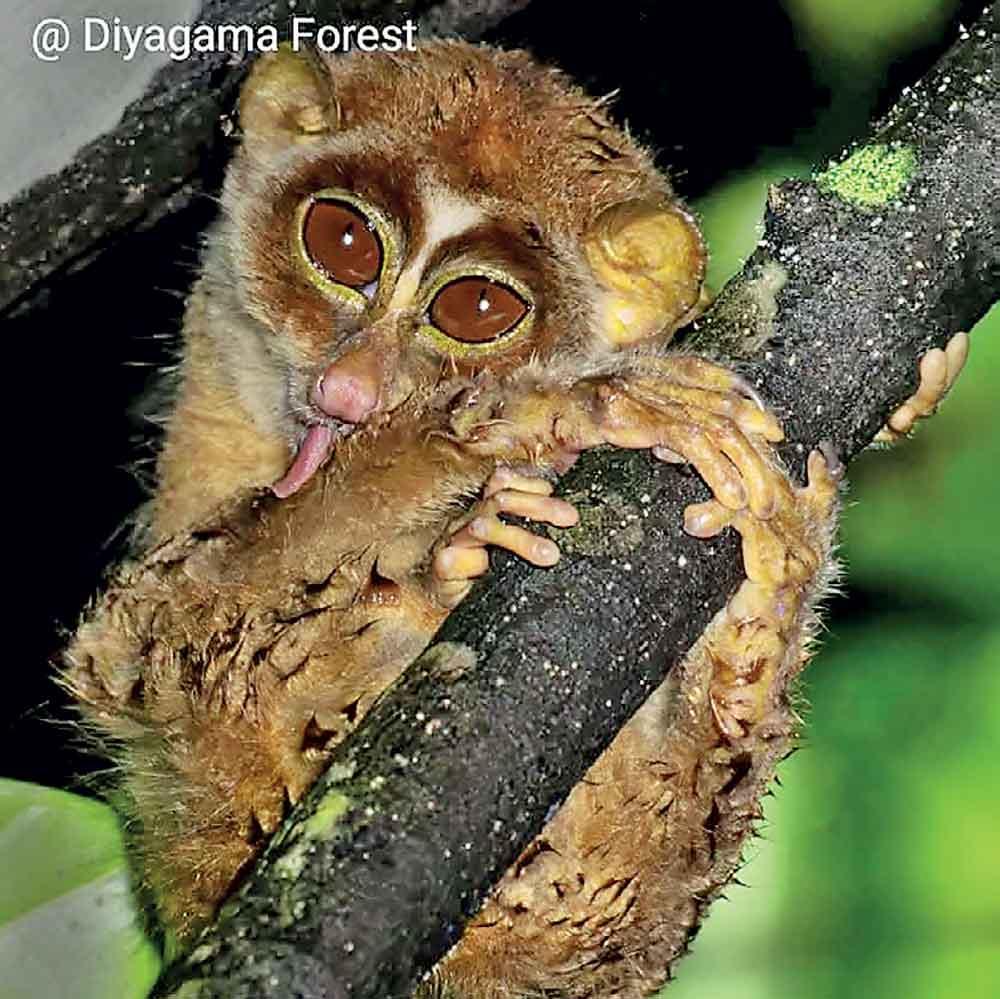
If the Diyagama Rain Forest is destroyed:
In a city already burdened with unfinished sports facilities and under-utilised infrastructure, destroying a functioning forest when viable alternatives exist is both irrational and irresponsible.
Climate Reality leaves no margin for error
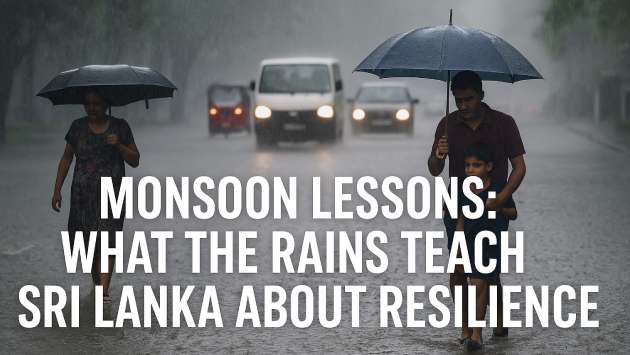
The devastating floods and landslides following Cyclone Ditwah are a stark reminder that climate-driven disasters in Sri Lanka are no longer rare. Scientists warn these events will become more frequent, more intense, and more unpredictable.
In this context, Colombo cannot afford to lose its remaining forests and wetlands. Ecosystems like the Diyagama Rain Forest serve as natural flood defenses, climate regulators, and water absorbers. Their destruction in the name of short-term development will severely weaken climate resilience, placing lives, livelihoods, and public resources at irreversible risk.
As this statement is written, efforts are underway to destroy the Diyagama Rain Forest for a sports school - despite the availability of alternative land that would avoid permanent ecological damage. Attempts at constructive engagement with authorities have so far failed.
Words are no longer enough. Action-now is essential.
To allow the destruction of this forest is to knowingly sacrifice biodiversity, water security, and climate resilience.
WHAT WE DEMAND
Immediately halt all destruction of the Diyagama Rain Forest
Gazette the forest under the Department of Wildlife Conservation with the highest level of legal protection
There is no replacement for a living ecosystem.
The Diyagama Rain Forest must be preserved.