Reply To:
Name - Reply Comment
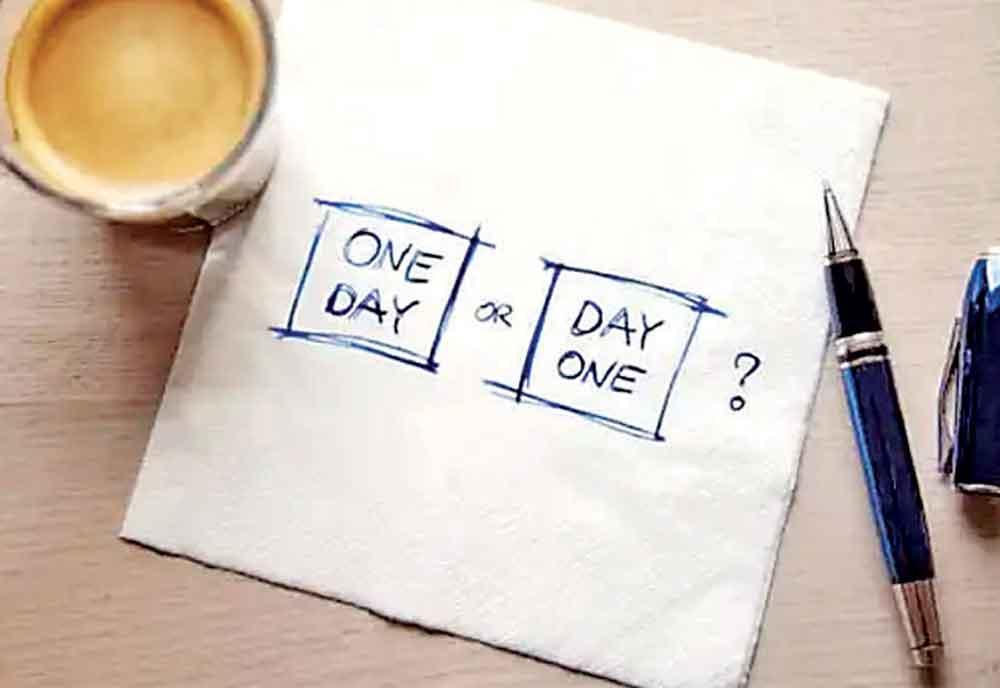
 Most of us carry a mental list of things we plan to do. Learn something new. Get healthier. Start a project. Change careers. The intention is there, but the action keeps getting postponed. It feels productive to plan, but planning without movement quietly turns into delay.
That’s where the idea of Day One changes everything.
Starting doesn’t require perfect timing or ideal circumstances. It simply requires a decision to begin with what you already have. Momentum comes later. Confidence follows action, not the other way around.
Sri Lanka has shown us this in real time. Over the past few years, many people refused to wait for stability before acting. Home kitchens became small bakeries. Living rooms turned into online stores. A single social media post or message to a customer marked the beginning of something sustainable. These weren’t bold leaps, just practical first steps taken despite uncertainty.
The same principle applies beyond business. Community action often starts when someone decides not to ignore a problem. A blocked drain, a damaged road, or a struggling school doesn’t fix itself. Change begins when one person speaks up, organises neighbours, or volunteers their time. Small actions, when repeated, build trust and impact.
Personal growth follows the same pattern. Progress rarely starts with a full plan. It starts with consistency, reading a few pages, writing a paragraph, waking up slightly earlier, or practising a skill for ten minutes a day. These actions may seem insignificant, but they compound quickly.

One of the most underrated parts of starting is its influence on others. When someone takes initiative, it normalises effort. It makes growth feel accessible. A colleague learning a new skill, a friend committing to a routine, or a neighbour taking responsibility often inspires others to do the same.
The shift from intention to action doesn’t have to be dramatic. Begin small. Accept mistakes. Adjust as you go. Progress is rarely neat, and that’s part of the process. Accountability helps whether through a partner, a group, or a personal deadline.
In the end, this isn’t about motivation or resources. It’s about choosing movement over delay. Ordinary days are often the most powerful starting points. A message sent, a step taken, or an hour invested today can quietly shape months and years ahead. So instead of waiting for the right moment, use the moment you already have. Starting now is enough.

It’s Smaller Than You Think
Day One Isn’t Dramatic Or Polished. It’s Practical, Sometimes Awkward, And Often Easy To Dismiss. But It’s The Point Where Intention Turns Into Action, And Where Change Quietly Begins.