Reply To:
Name - Reply Comment
Sri Lankan Ambassador to Romania Madurika Joseph Weninger
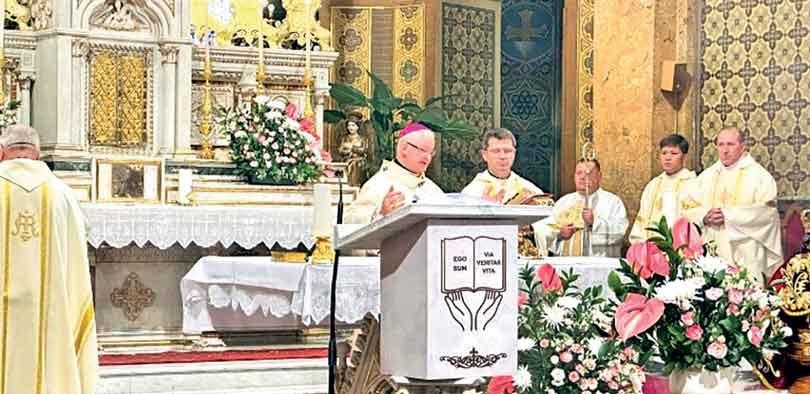
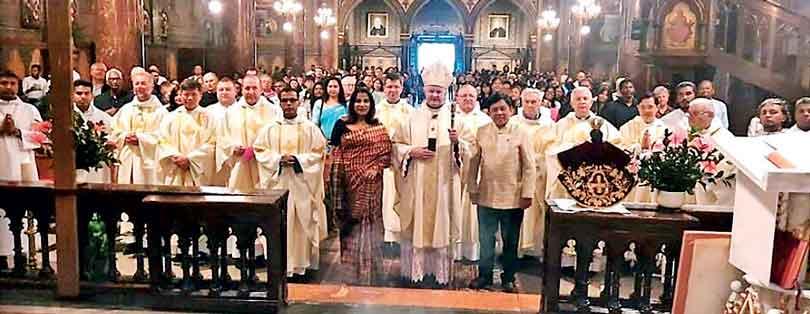
The Holy Mass was presided over by Archbishop Aurel Percă, alongside Fr. Claude Perera from Sri Lanka and Fr. Greg Gaston from the Philippines, symbolizing unity between Sri Lankan, Filipino, and Romanian communities.
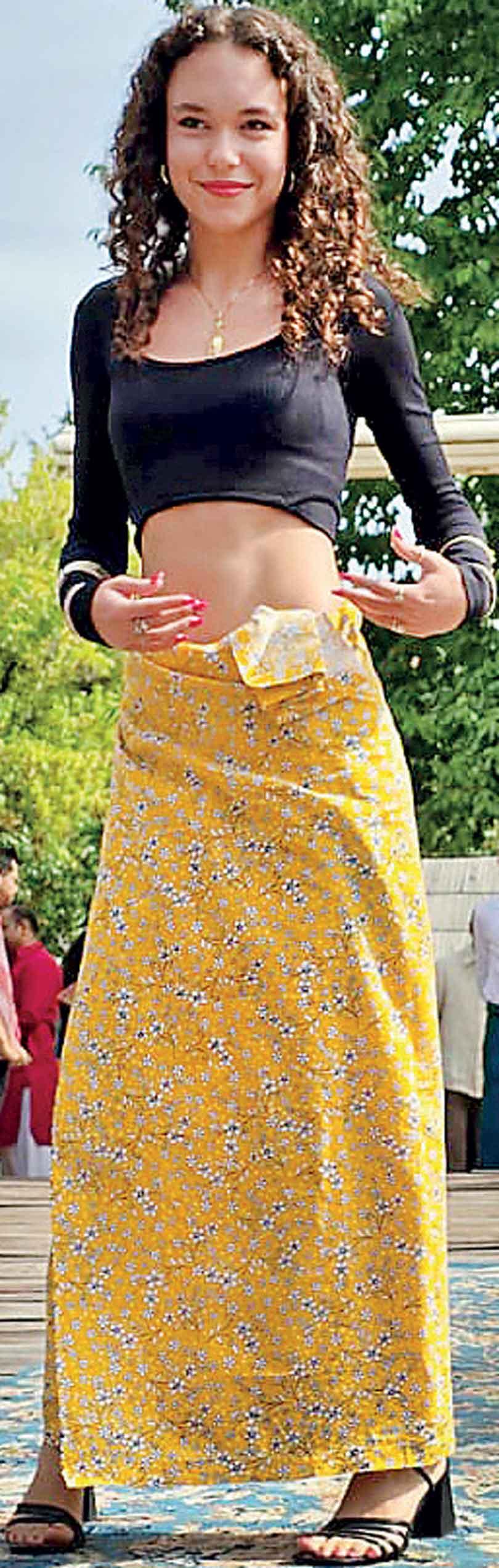
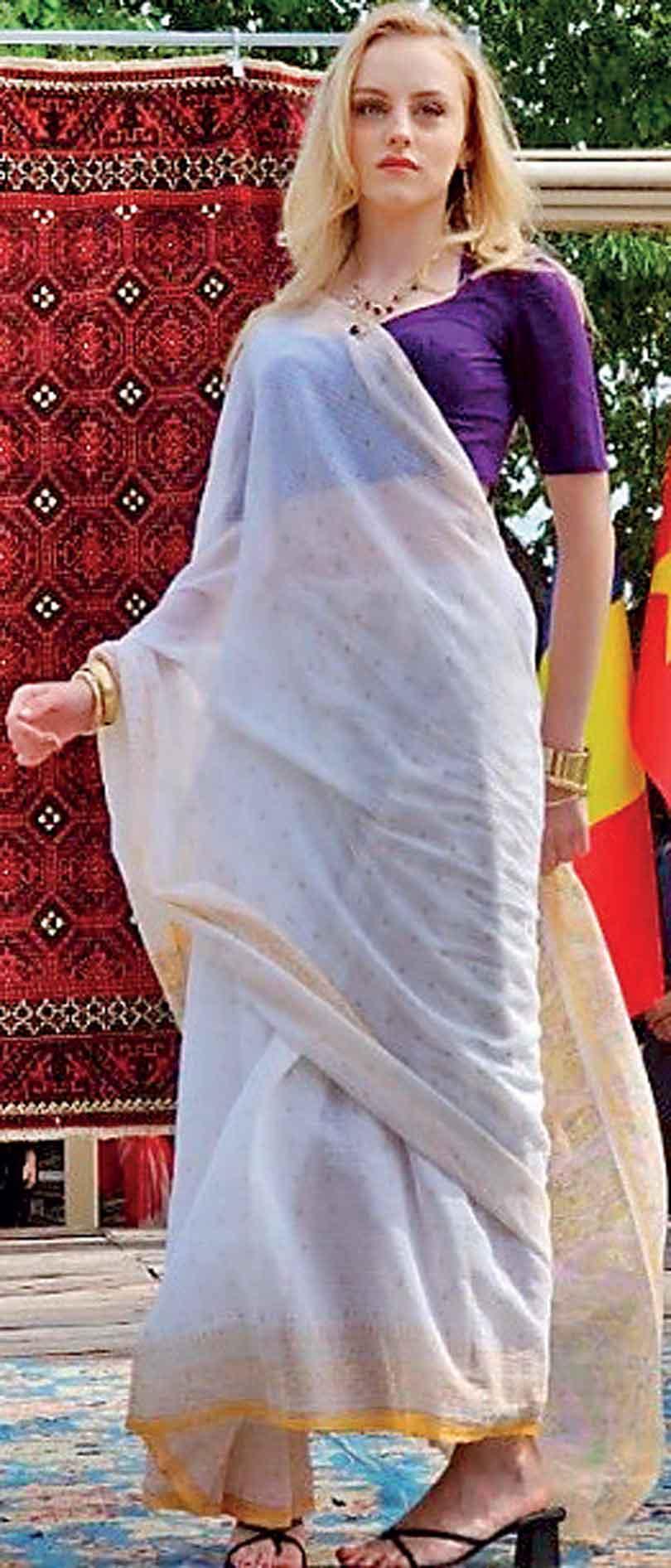
A highlight of the festival was the Fashion Show, where Sri Lanka presented a striking display of traditional attire — a fusion of elegance, heritage, and textile artistry.
 When I visited Bucharest, Romania earlier this year, I witnessed first-hand the progressive and heartfelt work being carried out by the Sri Lankan Embassy — a mission that has become a bridge between communities and a source of strength for Sri Lankans living abroad. Through music, faith, and cultural showcases, the Embassy has fostered deeper connections between Sri Lanka and Romania, while nurturing the unity of its growing expatriate community.
The Embassy of Sri Lanka in Romania has been actively championing cultural diplomacy and community harmony through a series of landmark events that brought together Sri Lankans, Romanians, and the wider international community. Among the most notable were the Nonimi Musical Extravaganza 2025, the World Day of Migrants and Refugees celebration at St. Joseph’s Cathedral, and Sri Lanka’s dazzling participation at the Asian Cultural Festival held at Bucharest’s renowned “Dimitrie Gusti” National Village Museum. Together, these events underscored the Embassy’s commitment to promoting Sri Lanka’s identity abroad through the universal languages of art, heritage, and human connection.
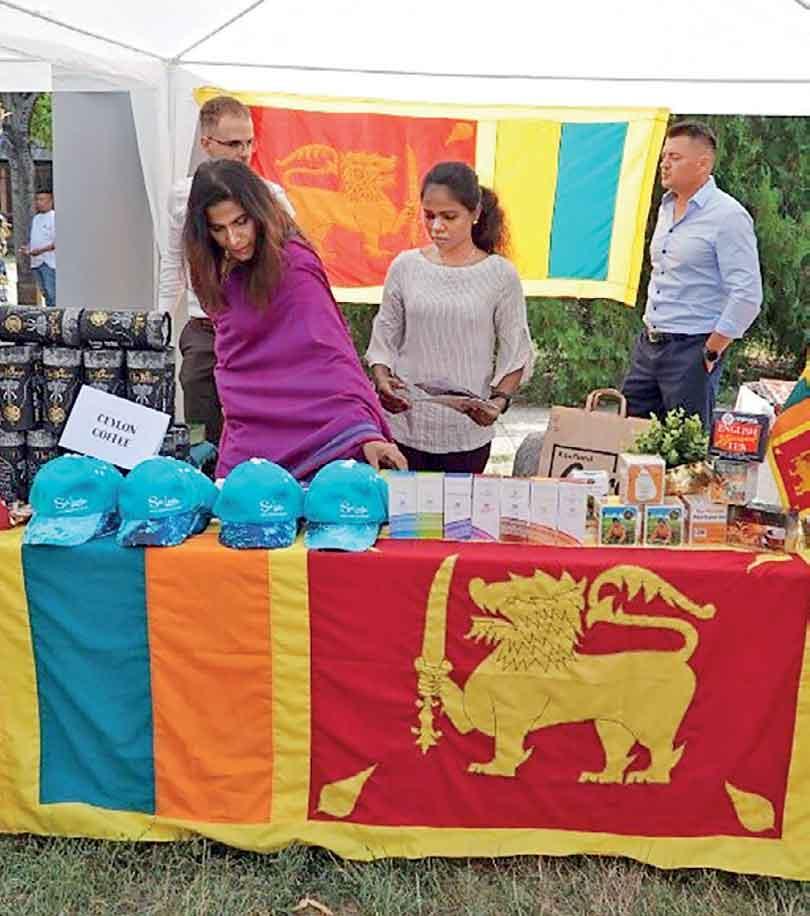
Sri Lanka took center stage at the recently held Asian Cultural Festival, a celebration of Asian heritage and diversity organized in collaboration with a host of Asian Embassies in Romania. The day-long event brought together diplomatic missions from India, China, Japan, South Korea, Indonesia, Bangladesh, Malaysia, Pakistan, the Philippines, Thailand, Iran, Turkmenistan, and Vietnam — each showcasing the richness of their traditions and shared histories.
A highlight of the festival was the Fashion Show, where Sri Lanka presented a striking display of traditional attire — a fusion of elegance, heritage, and textile artistry. Flowing handloom sarees, the distinctive osariya, the Redda Hatte (a traditional wrap-around cheeththa cloth paired with a fitted blouse), and men’s sarongs in vibrant hues captivated the audience. Romanian models, elegantly dressed in these ensembles, carried them with poise and dignity, earning warm applause from the diverse and appreciative crowd.
Visitors were also treated to tastings of world-renowned Ceylon tea, accompanied by displays of Ceylon spices, aromatic Ceylon coffee, and Ayurvedic wellness products. The booth’s array of artisanal handicrafts reflected Sri Lanka’s enduring legacy of craftsmanship and sustainable living. Together, these elements showcased the island’s unique identity — a harmonious blend of natural beauty, creativity, and tradition.
The event drew diplomats, Romanian officials, media representatives, and the public, with opening remarks by the Dean of the Asian Group in Romania and Ms. Ana Cristina Tincàăă, Secretary of State for Strategic and Global Affairs. Both speakers highlighted the vital role of cultural diplomacy in strengthening global understanding — a vision the Sri Lankan mission in Bucharest continues to embody.
Reflecting on the festival, Ambassador Madurika Joseph Weninger said:
“It was truly moving to see Sri Lanka’s cultural spirit so warmly received on this international stage. The elegance of our traditional dress, the aroma of our tea and spices, the reawakening of our heritage coffee, and the healing touch of our Ayurvedic traditions offered visitors an authentic taste of our island’s soul. Events like this remind us of the quiet strength of culture — to connect hearts, spark curiosity, and build lasting friendships among nations.”
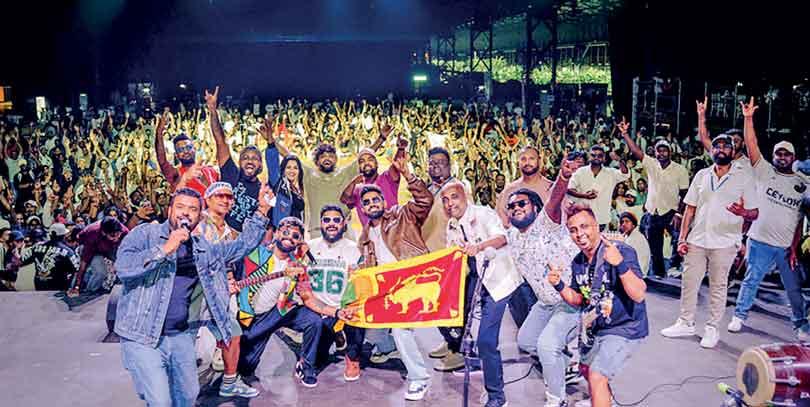
Earlier this year, the Embassy also lent its official patronage to the Nonimi Musical Extravaganza 2025 — a vibrant celebration of Sri Lankan music, culture, and unity. Organized by the Nonimi Group led by Dinush Nalaka, the concert brought together Sri Lankan expatriates and Romanian friends who gathered to share in the joy of music and fellowship.
Ambassador Weninger attended the event as Chief Guest, emphasizing how such cultural diplomacy promotes understanding between nations. She commended the unity and resilience of Sri Lankans in Romania, noting that events like these help preserve cultural identity and strengthen emotional ties to the homeland.
The evening featured a spectacular live performance by the iconic Sri Lankan band Sanidapa, led by Sandun Perera, Milinda Sadaruwan, and Surendi de Mel. Their captivating renditions enthralled an audience of Sri Lankan professionals, students, and families from across Romania, all united by the rhythms of home.
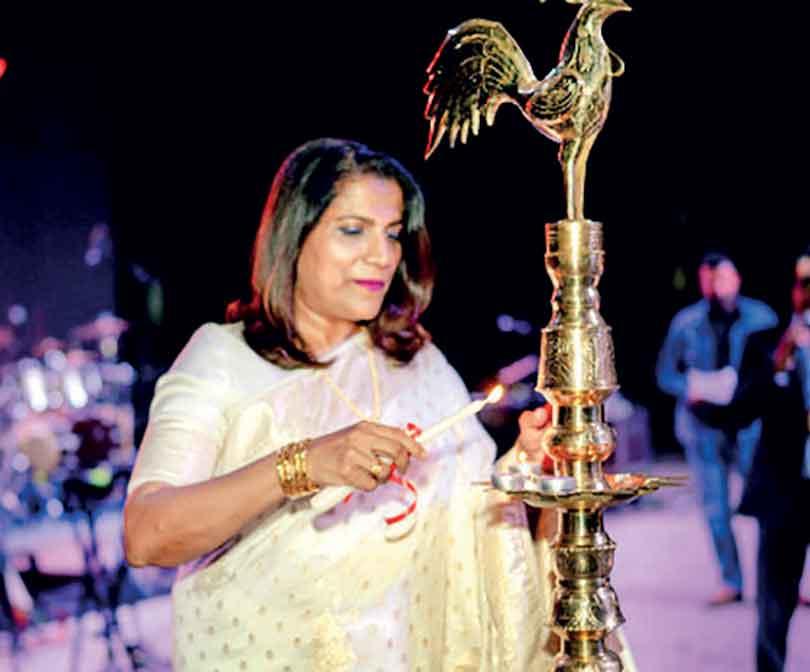
Guest of Honour Ramona Chiriac, Head of the European Commission Representation in Romania, joined the Ambassador in lighting the traditional oil lamp — a symbolic act of friendship and shared cultural respect. The event’s success built on the momentum of last year’s Nonimi Blast Night 2024, transforming entertainment into a platform for meaningful diplomacy.
Faith, too, has been a cornerstone of the Embassy’s outreach. The World Day of Migrants and Refugees celebration at St. Joseph’s Cathedral in Bucharest was a deeply spiritual event that brought together nearly 300 faithful, clergy, and diplomats from around the world. Held under the theme “Migrants, Missionaries of Hope,” it honored the power of faith to unite across cultures and languages.
The Holy Mass was presided over by Archbishop Aurel Percáă, alongside Fr. Claude Perera from Sri Lanka and Fr. Greg Gaston from the Philippines, symbolizing unity between Sri Lankan, Filipino, and Romanian communities. Ambassador Weninger, attending with her team, expressed gratitude to the clergy for their pastoral care for migrant communities, describing the occasion as “a shining example of how faith brings people together in dignity, respect, and mutual understanding.”
The multilingual prayers — in English, Tamil, Sinhala, Igbo, Indonesian, and Filipino — created an atmosphere of inclusivity and reverence. After the service, the Cathedral courtyard came alive with shared refreshments and warm fellowship, embodying the spirit of togetherness the Embassy strives to nurture.
From my visit earlier this year, it was clear that the Sri Lankan mission in Bucharest is far more than a diplomatic post. It is a cultural heartbeat — a place where art, music, faith, and friendship converge. Under Ambassador Weninger’s leadership, the Embassy has become a dynamic hub for collaboration, compassion, and cultural exchange, achieving all this despite operating with a very lean staff. Much of the work was carried out with the assistance of a single Attaché, whose primary responsibilities lay in accounts and consular duties. The Ambassador herself played an active role in managing consular affairs, accounts, and administrative tasks, in addition to overseeing diplomatic, trade, cultural, and bilateral responsibilities. It was only in September this year that a junior diplomatic officer was finally added to the team — a timely reinforcement to an Embassy that has accomplished so much with such limited resources.
As Sri Lanka and Romania continue to deepen their diplomatic and cultural ties, these initiatives stand as a testament to the enduring power of cultural diplomacy. Whether through a song, a prayer, or a sip of Ceylon tea, Sri Lanka’s presence in Bucharest reminds us that connection — at its most human level — remains the most powerful form of diplomacy.