Reply To:
Name - Reply Comment
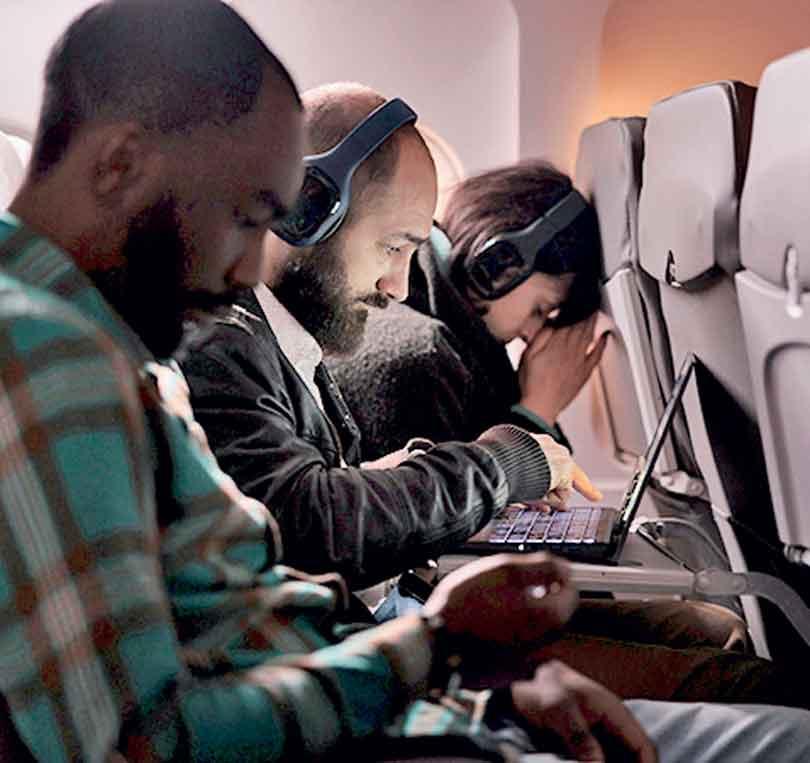
 Air travel was once a privilege—an event people dressed up for, prepared for, and approached with courtesy. Today, as flying becomes as commonplace as hopping on a bus, many seem to have forgotten that the skies demand a special kind of respect: respect for space, for fellow passengers, and for the crew whose responsibility is to keep everyone safe and comfortable.
On a recent flight to Sri Lanka, this erosion of courtesy was on full display. Through the gap between the seats in front of me, I noticed a young Asian woman shrinking into the window, visibly recoiling as the Sri Lankan man seated next to her leaned in far closer than politeness—or decency—allows. He spoke endlessly, a relentless stream of chatter that she clearly did not welcome. His behaviour was intrusive enough that I alerted a member of the cabin crew. But each time they approached, “Mr. Amorous” would snap back into an innocent pose, neck angled away, as though butter wouldn’t melt in his mouth.
Upon landing in Colombo, I asked the young woman if she was alright. Her eyes said it all even before her words did. “That man really made my flying experience sour,” she sighed. He had even thrust his phone at her, demanding her number. Thankfully she had the presence of mind to give him a wrong one. It seems the lecherous men who once plagued public buses have now upgraded themselves to international air travel.
But harassment isn’t the only troubling trend in the skies. Another growing issue is how some people send their elderly parents abroad. If one insists on flying parents overseas, the least they could do is ensure the elders understand the journey ahead.
During one recent flight, an elderly man stood up mid-air, approached a member of the crew, and said he needed to “get off in London” and asked how much he had to pay. He explained that he had boarded the plane from Negombo. My heart broke for him. He had no warm clothing for the brutally cold weather he was flying into—only a thin sweater with the insulation value of an onion skin. Disoriented and distressed, he kept trying to reach his daughter.
To the crew’s immense credit, they handled the situation with patience, empathy, and remarkable gentleness. They calmed him, reassured him, and checked on him constantly. If compassion were a job requirement, these cabin crew members exceeded every expectation—they cared for him as if he were their own father.
And then there are the screaming children. Babies cry; it’s what babies do, especially during take-off and landing. Yet the tut-tutting and dramatic head-shakes from irritated passengers never cease to amaze me. Have these people not travelled with their own children? Instead of judgmental frowns, perhaps offer a sympathetic smile. That stressed mother is doing her absolute best.
Air travel may no longer be the luxury it once was, but courtesy shouldn’t go out the window. A little kindness at 30,000 feet goes a long way—for fellow passengers, for vulnerable travellers, and for the crew who, up in the skies, are in charge and always know best.