Reply To:
Name - Reply Comment
By Darshana Sanjeewa Balasuriya
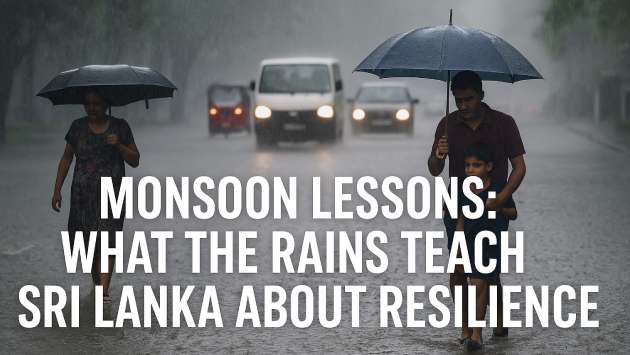
More than two months after Cyclone Ditwah tore through Sri Lanka, causing the most extensive flood and landslide damage in two decades, the country continues to grapple with a complex humanitarian crisis.
According to the latest situation report released by the United Nations and humanitarian partners, over 165,000 people remain displaced, living with host families or in temporary safety centres, as funding shortages threaten to stall critical recovery efforts.
The cyclone, which impacted an estimated 2.2 million people across all 25 districts, has left deep scars on the country’s infrastructure and communities. As of late December, the disaster had claimed 646 lives, with 173 people still reported missing. While the immediate emergency phase has passed, the report highlights that the crisis is evolving into a protracted struggle for shelter and basic services.
While the number of operational Safety Centres has dropped from a peak of 990 to 85, this closure process has revealed a new set of challenges. Approximately 6,680 people remain in these centres, but a far larger number—over 165,000—are dispersed among host families.
The report warns of “emerging informal and dispersed settlement arrangements” in districts like Badulla, Kegalle, and Nuwara Eliya, raising concerns about the safety and protection of vulnerable groups.
Housing damage is widespread, with nearly 6,000 homes fully destroyed and another 108,000 partially damaged. The National Building and Research Institute (NBRI) is currently issuing guidelines for resettlement, but for many, the return home remains impossible due to landslide risks.
The Humanitarian Country Team’s response plan, launched in December 2025, aims to support the 658,000 most vulnerable citizens. However, significant funding gaps remain. Of the US$35.3 million required for the Humanitarian Priorities Plan (HPP), only US$22.4 million (63.5%) has been received to date.Key sectors such as Health, Agriculture, and Education remain underfunded. The Agriculture sector, vital for rural livelihoods and food security, faces a staggering 94% funding gap, just as farmers prepare for the next cultivation season.The cyclone’s toll on children has been particularly severe. Updated assessments revealed that 1,682 primary and secondary schools were affected, disrupting the education of nearly 823,000 students. While some schools have reopened, many struggle with damaged sanitation facilities and a lack of essential learning materials.
Health authorities are also sounding the alarm on rising malnutrition risks. With vegetable prices surging by up to 200% due to crop losses, dietary diversity has plummeted. The report stated that diets within safety centres often lack essential proteins and fresh produce, posing a threat to pregnant women and children under five.
The aftermath of the cyclone has also exacerbated protection risks. Gender-based violence remains a critical concern, with women and children facing heightened vulnerability in overcrowded displacement settings. The tragedy has also fractured families; the report revealed that 113 children lost one or both parents to the disaster, placing them at immense risk of poverty and exploitation. Despite these challenges, the humanitarian response has reached over 216,000 people so far. Agencies have distributed food, hygiene kits, and emergency shelter materials, while working to restore water supplies. However, as the report concludes, the path to full recovery requires sustained international support to bridge the funding gap and ensure that the most vulnerable are not left behind in the transition from relief to recovery.